

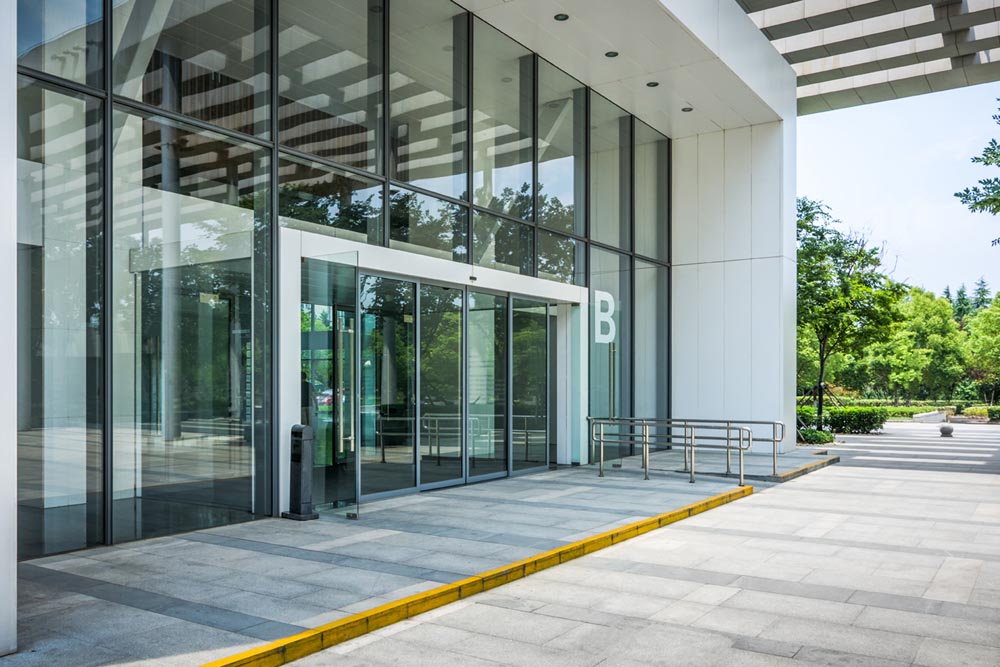
The right commercial doors for retail stores should support customer access, daily traffic, security, weather protection, and the overall appearance of the business. A door should not be selected on looks alone. Retail owners need to consider how the entrance will be used, how it fits the existing storefront, and whether it can perform reliably under everyday conditions.
At Paramount Windows & Doors, we provide commercial window and door solutions for storefronts, retail spaces, restaurants, office buildings, warehouses, and other commercial properties. We also work with architects and builders, helping commercial clients evaluate door and window options that support the design and functional needs of their properties.
Before comparing appearances or finishes, define what the entrance must accomplish. A front customer entrance has different priorities from an employee entrance, a stockroom door, a delivery access point, or an interior door between business areas.
Consider questions such as the following:
Answering these questions creates a practical starting point. It also reduces the risk of choosing a door that looks appropriate but becomes inconvenient once the store is operating.
A retail entrance is part of the customer’s first impression. The door should complement the storefront rather than appear disconnected from the windows, signage, exterior materials, and overall brand presentation.
Some retailers want an entrance that provides a clear view into the store. Others need more privacy because of the products they sell or the layout of the interior. The correct balance depends on the business, the property, and the location of the entrance.
When reviewing a design, pay attention to:
A well-planned commercial door can support the appearance of the property without interfering with the way customers and employees use it.
Retail store doors may open and close repeatedly throughout the day. That regular use should influence the selection process.
A door must be comfortable for customers to operate and appropriate for the amount of traffic the store receives. The frame, hardware, hinges, closing components, and surrounding opening should work together as a complete system.
A door that is difficult to open can create a poor customer experience. One that closes too quickly may be inconvenient for families, customers carrying purchases, or people with limited mobility. A door that fails to close correctly may also affect security and indoor comfort.
Before making a selection, discuss:
The objective is not simply to choose a strong door. It is to choose an entrance system that operates predictably under the store’s actual conditions.
Security is an important consideration for any retail entrance, but the door itself is only one part of the equation. The frame, glass, locking hardware, adjacent windows, installation, and condition of the surrounding opening can all influence performance.
Retail owners should consider when the door will be used, who needs access, and what happens after the store closes. A customer-facing entrance may need to look welcoming during business hours while supporting the store’s security procedures overnight.
Questions worth reviewing include:
Avoid selecting a commercial door based on one security feature. A professional evaluation should consider the entire opening and how the door will be used.
Visibility can be especially important for retail stores. A clear entrance may allow customers to see merchandise, lighting, displays, and activity inside the business. It can also help employees observe the area immediately outside the store.
However, more visibility is not automatically appropriate for every retail property. Businesses that store valuable merchandise, operate in exposed locations, or require greater privacy may have different priorities.
The amount and placement of glass should be evaluated alongside the following:
The goal is to create an entrance that supports the business rather than following a design trend that may not fit the property.
Commercial entrances in Elma must operate through seasonal temperature changes, wind, snow, moisture, and summer heat. These conditions do not mean that every retail store needs the same type of door, but they make proper product selection and installation important.
A poorly fitted or misaligned door may allow unwanted air movement around the opening. Worn seals, frame movement, damaged components, and conditions around the surrounding wall can also affect comfort near an entrance.
When reviewing commercial doors for retail stores, consider:
A new door cannot correct every comfort or building-envelope issue. The existing opening and adjacent construction should also be evaluated before the project moves forward.
A retail entrance should allow customers to enter and leave without unnecessary difficulty. Accessibility, emergency egress, opening direction, clearances, thresholds, and operating hardware may all need to be considered.
Requirements can vary depending on the building, use of the space, project scope, and applicable regulations. Retail owners should coordinate with qualified design, construction, and code professionals when a project involves compliance questions.
During planning, review whether the entrance:
Accessibility should be addressed early. Waiting until after the door is ordered can lead to design conflicts or unnecessary project changes.
Price is an important part of a commercial project, but it should not be the only factor. A lower-cost option may not be appropriate if it cannot support the store’s traffic, exposure, security needs, or opening dimensions.
Compare the complete project rather than one product figure. The review should include the condition of the opening, required hardware, installation needs, finishing details, and the business’s long-term priorities.
A useful comparison should address the following:
The most appropriate door is the one that fits the property and its intended use. It does not need to include features the store will never use, but it should not leave out functions the business depends on every day.
Even a carefully selected door may perform poorly when it is installed in an unsuitable or improperly prepared opening. Measurements, alignment, fastening, adjustment, sealing, and integration with the surrounding storefront can all affect operation.
Commercial door installation may also require coordination with business operations. Retail owners must determine how customers, employees, and deliveries will access the property while work is taking place.
Before installation, the project team should understand:
Professional planning helps reduce surprises and keeps the selection connected to the realities of the building.
A productive consultation should go beyond color and appearance. Ask questions that clarify the product, project scope, and installation requirements.
Important questions include:
Clear answers allow business owners to compare options based on relevant information rather than assumptions.
Start with customer traffic, accessibility, security, weather exposure, appearance, and the condition of the existing opening. The correct priorities depend on how the entrance will be used each day.
That depends on the store’s visibility, privacy, security, display, and branding needs. A more transparent entrance may support merchandising, but it is not the correct choice for every property.
No door can be assumed to eliminate every draft. Air movement may involve the door, frame, seals, installation, surrounding storefront, or other building-envelope conditions. The opening should be evaluated before deciding on a solution.
Replacement may be worth evaluating when a door is difficult to operate, visibly damaged, frequently misaligned, unable to close consistently, or no longer suitable for the business’s traffic and access needs.
Yes. Our commercial services include windows and doors for retail spaces and storefronts, along with other commercial property types. We also work with architects and builders on commercial projects.
The best commercial doors for retail stores are selected around the building, the customer experience, and the daily demands of the business. Appearance matters, but it should be evaluated alongside traffic, accessibility, security, exposure, operation, and installation.
Paramount Windows & Doors can help retail owners and commercial project teams evaluate their existing openings and review appropriate window and door solutions. Contact us to schedule a free evaluation and estimate for your commercial property in Elma or another confirmed Western New York service area.

Clark Doll is the Owner of Paramount Windows and Doors and brings more than 20 years of experience in premium window and door installations. As an OSI Certified professional and factory-trained installer, he shares expert insights to help homeowners make informed decisions about their home improvement projects.
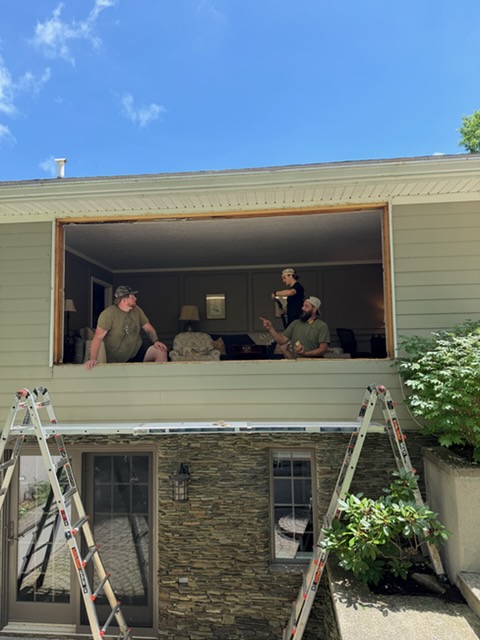
The most common window replacement mistakes include replacing windows before identifying the real problem, choosing products based only on price, overlooking material differences, relying on inaccurate measurements, and underestimating the importance of installation. Homeowners can avoid many of these issues by having the existing openings evaluated and comparing products according to the needs of the home.
At Paramount Windows & Doors, we provide residential window installation and replacement services from our location in Elma, New York. We offer vinyl, fiberglass, and wood replacement windows and use an in-home evaluation process to help homeowners review their property, project goals, available options, and budget.
A draft, cold surface, condensation, or uncomfortable room does not automatically prove that the window must be replaced. These symptoms can have several possible causes.
For example, unwanted air movement may come from the window, the installation, gaps around the opening, or another part of the building envelope. Interior condensation can be influenced by indoor humidity, ventilation, outdoor temperature, and the temperature of the glass surface. Moisture trapped between panes may point to a different problem than moisture forming on the room-facing surface.
Replacement may be appropriate when windows are deteriorated, damaged, difficult to operate, or no longer performing as intended. However, homeowners should avoid diagnosing the cause without a proper evaluation.
Before deciding, consider:
Understanding the cause helps homeowners avoid paying for work that does not address the actual issue.
Replacement windows involve more than the cost of the unit. Material, size, configuration, maintenance, appearance, installation requirements, and existing opening conditions all affect the project.
A low initial figure may seem attractive, but it is difficult to evaluate without understanding what is included. Homeowners should compare complete proposals and make sure they are reviewing similar scopes of work.
Ask whether the estimate addresses:
Price should remain part of the decision, but it should be considered alongside suitability, workmanship, service, and long-term maintenance.
Window frame materials have different characteristics. Choosing without understanding those differences can lead to dissatisfaction with appearance, upkeep, or performance.
Paramount Windows & Doors offers three primary replacement-window materials: vinyl, fiberglass, and wood.
Vinyl windows may appeal to homeowners looking for a low-maintenance and cost-conscious option. They do not require the routine painting or refinishing associated with some other materials and are available in different styles and colors.
Homeowners should still evaluate the specific product rather than assuming every vinyl window performs identically. Available features, construction, appearance, ratings, and configurations can vary.
Fiberglass windows are known for strength and low maintenance. They may be available with smooth or wood-like surfaces, allowing homeowners to consider both durability and appearance.
As with any product category, homeowners should compare the actual window being proposed. The term “fiberglass” alone does not answer every question about design, glass, hardware, or performance.
Wood windows provide a natural appearance and insulating characteristics. They can be especially appealing when warmth, traditional design, or compatibility with a home’s existing character is a priority.
Wood also has care and maintenance considerations. Homeowners should understand those responsibilities before selecting it based only on appearance.
The correct material depends on the property, the homeowner’s preferences, the project budget, and the amount of maintenance the homeowner is prepared to manage.
Replacement windows must fit the actual openings. Relying on rough measurements, old construction documents, or assumptions based on visible trim can create problems.
An opening may be out of square, affected by previous work, or different from another opening that appears similar. Older homes may also have conditions that are not obvious until the property is evaluated.
Professional measurements help determine:
Homeowners should avoid ordering windows independently unless they fully understand the product and installation requirements. A small measuring mistake can affect fit, operation, finishing, and the project schedule.
A quality replacement window still needs to be installed correctly. The opening must be evaluated, the unit must be positioned properly, and the installation must account for alignment, fastening, sealing, insulation, and finishing requirements.
Installation quality may affect the following:
Homeowners should ask who will perform the installation and how the company handles unusual opening conditions. Selecting a product without investigating the installer is one of the most avoidable window replacement mistakes.
Replacement windows can support home comfort and energy performance, particularly when aging or poorly performing units are being addressed. However, homeowners should not expect a guaranteed reduction in utility costs.
Actual results can depend on the following:
Window replacement can be one part of a broader home-efficiency plan. It should not be presented as a stand-alone guarantee that every room will feel identical or that energy bills will drop by a certain amount.
A window that works well in one room may not be appropriate for another. Homeowners should think about operation, furniture placement, ventilation preferences, views, privacy, cleaning access, and the purpose of the room.
For each opening, ask:
Choosing every window as though it serves the same purpose may simplify ordering, but it can create functional compromises later.
Replacement windows affect both the interior and exterior of a home. A product should be evaluated in relation to siding, trim, architecture, room finishes, and nearby doors.
Homeowners sometimes focus on one window sample without considering how multiple units will look across the front, side, or rear of the property. Changes in frame proportions, visible glass area, color, or operation can affect the overall result.
Before approving a selection, review:
A coordinated plan usually produces a more intentional result than treating each opening as an unrelated purchase.
Elma homes experience cold winters, seasonal temperature swings, wind, snow, moisture, and warm summer weather. Homeowners should consider how exposed each side of the property is and whether certain windows experience more demanding conditions.
Exposure can vary across the same home. A window protected by a porch may face different conditions from one located on an open wall. Sunlight, prevailing weather, roof drainage, landscaping, and surrounding buildings may also affect individual openings.
This does not mean every Elma homeowner needs the same window. It means product selection and installation planning should reflect the property rather than relying only on broad climate claims.
Homeowners should understand the process before approving a project. Important details include product selection, measurements, ordering, scheduling, access, preparation, installation, and follow-up.
Our residential process begins when a homeowner contacts us to arrange a no-obligation in-home evaluation and estimate. During the meeting, we bring window samples, discuss the project, evaluate the property, and review potential solutions. After the estimate is approved, the selected custom windows are ordered and installation is scheduled.
Before making a decision, homeowners should know:
A clearly defined process allows homeowners to prepare and reduces confusion once the project begins.
Replacement may be worth considering when windows are difficult to operate, visibly deteriorated, damaged, frequently drafty, or affected by moisture between panes. A professional evaluation can help determine whether the window or another home condition may be contributing to the problem.
Replacement windows should not be expected to eliminate all condensation. Interior surface condensation may be related to humidity, ventilation, outdoor temperature, and glass-surface temperature. Moisture between panes may indicate a different window problem.
There is no single material that is best for every home. Vinyl, fiberglass, and wood have different appearance, maintenance, strength, and budget considerations. The selection should match the homeowner’s priorities and the property.
Not necessarily. The appropriate scope depends on the condition of the windows, project goals, budget, and whether a consistent exterior appearance is a priority. An evaluation can help homeowners organize the work by need.
Yes. We provide residential window installation and replacement services from our Elma location. Homeowners can schedule an in-home evaluation and estimate to discuss their windows and review available options.
The best way to avoid window replacement mistakes is to slow down the decision-making process. Identify the problem, evaluate the openings, compare appropriate materials, review the complete estimate, and make installation quality part of the selection.
Paramount Windows & Doors helps Elma homeowners evaluate residential window replacement projects through a personal, hands-on process. Contact our team to schedule a free, no-obligation in-home evaluation and estimate and begin comparing verified replacement-window options for your property.
Clark Doll is the Owner of Paramount Windows and Doors and brings more than 20 years of experience in premium window and door installations. As an OSI Certified professional and factory-trained installer, he shares expert insights to help homeowners make informed decisions about their home improvement projects.
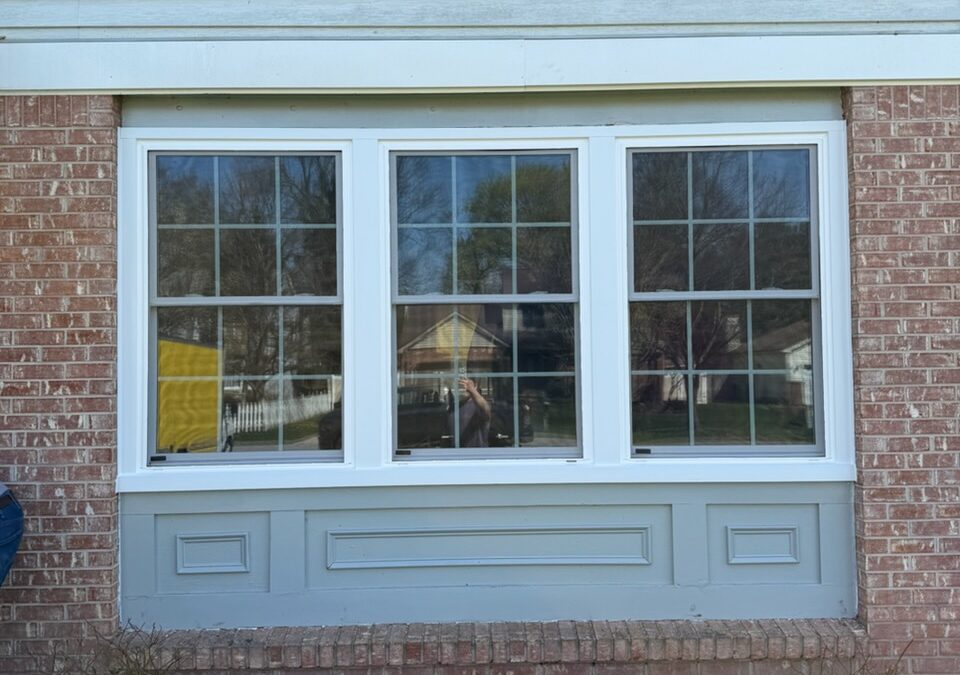
For homeowners in Elma, NY, energy-efficient replacement windows are becoming a smart way to improve comfort, curb appeal, and everyday home performance. At Paramount Windows & Doors, we help homeowners choose high-quality windows and doors that fit their style, budget, and long-term needs. Whether someone is dealing with older windows, drafts, difficult operation, or a home that simply needs a fresh look, window replacement services can make a noticeable difference.
Direct answer: Elma, NY homeowners are investing in energy-efficient replacement windows because they want homes that feel more comfortable, look better from the outside, and perform better through Western New York’s changing seasons. With options such as vinyl window replacement, fiberglass windows, and wood windows, homeowners can choose replacement windows that support durability, energy savings, easy maintenance, and long-lasting beauty.
A home should feel comfortable in every season. When windows are outdated, damaged, poorly sealed, or no longer performing well, homeowners may notice rooms that feel colder in winter, warmer in summer, or harder to keep consistent.
Energy-efficient replacement windows are designed to help improve how the home feels day to day. At Paramount Windows & Doors, our energy-efficient windows and doors are selected to help keep homes warmer in the winter and cooler in the summer. That matters for Elma homeowners who want their living spaces to feel more stable, comfortable, and enjoyable.
New windows can help with:
For many homeowners, the decision is not just about replacing glass or frames. It is about improving the way the home feels every day.
Windows play a major role in how a home looks from the street. Older windows can make a property appear worn, even when the rest of the home is maintained. New windows can refresh the exterior and help the home feel more polished, clean, and inviting.
Our team helps homeowners select window styles and materials that match their goals. Some homeowners want a classic appearance. Others prefer a more updated or modern look. Some want a low-maintenance option that still looks attractive year after year.
Replacement windows can improve curb appeal by helping the home look:
For Elma, NY homeowners, curb appeal matters whether they plan to stay in the home long-term or simply want to take pride in how their property looks.
Vinyl window replacement is a popular option for homeowners who want energy efficiency, value, and low maintenance. Vinyl windows are known for being durable, easy to care for, and available in a variety of styles, colors, and choices.
For homeowners who do not want to repaint or refinish their windows over time, vinyl can be a practical solution. It offers a clean appearance while helping reduce the ongoing maintenance that some older window materials may require.
Homeowners often consider vinyl windows because they offer:
For many Elma homes, vinyl window replacement can offer a strong balance of appearance, performance, and budget-conscious value.
Fiberglass windows are another option for homeowners who want a durable and attractive replacement window. Fiberglass is known for strength, low maintenance, and a balanced appearance that can work well with different home styles.
Homeowners may prefer fiberglass windows when they want a window material that is built for durability while still offering attractive design choices. Fiberglass windows can provide either a smooth surface or a wood-like appearance, giving homeowners flexibility in how they want their windows to look.
Fiberglass windows may appeal to homeowners looking for the following:
When installed properly, fiberglass windows can support both beauty and performance.
For homeowners who appreciate classic design, wood windows offer warmth, character, and natural beauty. Wood has a timeless look that can add sophistication to a home while also providing natural insulation.
Wood windows may be especially appealing for homeowners who want their replacement windows to complement a traditional or refined home style. The natural look of wood can create a sense of warmth that is difficult to duplicate with other materials.
Wood windows offer:
Wood windows can be a strong choice when homeowners want replacement windows that feel both functional and visually distinctive.
Even a high-quality window needs proper installation to perform well. Poor installation can affect comfort, operation, appearance, and long-term results. That is why working with experienced residential window installers matters.
At Paramount Windows & Doors, we understand that installation quality is a major part of the overall project. Our team focuses on careful measurements, proper fit, and quality craftsmanship so homeowners can feel confident in the finished result.
Our process is designed to be clear and helpful:
This kind of process helps homeowners feel informed from the beginning rather than overwhelmed by too many choices.
Homeowners often start thinking about window replacement because of comfort or curb appeal, but security and durability are also important. Quality windows and doors can help a home feel more secure and dependable.
Old windows may become difficult to open, hard to lock, or less reliable over time. When homeowners invest in new replacement windows, they are also investing in updated functionality and peace of mind.
Energy-efficient replacement windows can support:
For Elma homeowners, these practical benefits can be just as important as the visual upgrade.
Many homeowners considering window replacement services also think about door replacement services. Windows and doors work together to shape a home’s appearance, comfort, security, and energy performance.
At Paramount Windows & Doors, we also provide residential door installation and replacement options. This allows homeowners to update more than one part of the home’s exterior when needed.
Door options shown on our website include:
A new front door can improve first impressions and security. A sliding glass door can add light, functionality, and access to outdoor living spaces. Wood and custom doors can help homeowners create a more personalized look.
The front door is one of the first things people notice about a home. When a door looks worn, outdated, or no longer fits the style of the property, it can affect the entire exterior.
Residential door installation can help homeowners create a stronger first impression while also improving function. A new entry door can add style, security, and everyday usability.
Homeowners may consider door replacement services when they notice:
When paired with replacement windows, a new door can help create a more complete exterior upgrade.
While this topic focuses on homeowners, Paramount Windows & Doors also provides commercial window installation and commercial doors for businesses and properties in Western New York. As a commercial window installer, our team works with commercial spaces that need quality windows and doors to improve appearance, security, and energy costs.
Commercial window installation may apply to:
For local property owners and business decision-makers, quality commercial windows and doors can help create a better impression and improve the function of the space.
Investing in energy-efficient replacement windows is not just a short-term home improvement decision. It is a long-term investment in comfort, style, and usability.
Homeowners in Elma, NY often want upgrades that solve real problems. They may be tired of drafts, hard-to-maintain windows, outdated frames, or a home exterior that no longer reflects their style. Replacement windows can help address these concerns in a practical way.
Homeowners are choosing replacement windows because they want:
The right window choice depends on the home, the homeowner’s goals, and the preferred material. That is why a personalized consultation is so helpful.
Choosing replacement windows is important, but choosing the right residential window installers is just as important. Homeowners should feel confident that the team they hire understands the products, listens to their goals, and pays attention to detail.
At Paramount Windows & Doors, we take a hands-on approach. We start with an in-depth conversation to understand what the homeowner wants before recommending materials or beginning installation. We also bring window samples, discuss the project, evaluate the property, and provide solutions based on needs and budget.
That personalized approach helps homeowners make informed decisions instead of feeling rushed or pressured.
Homeowners may not always know when to replace their windows. Sometimes the signs are obvious. Other times, the need becomes clear over time.
It may be time to consider window replacement services if the following are true:
When these signs appear, a free evaluation and estimate can help homeowners understand their options.
Energy-efficient replacement windows can help improve indoor comfort by supporting better temperature control throughout the home. They can also improve curb appeal, update the look of the property, and help reduce reliance on heating and cooling systems. For Elma, NY homeowners, this can be especially helpful during changing seasonal conditions.
The best replacement window depends on your goals, budget, style preferences, and maintenance expectations. Vinyl window replacement may be a wise choice for homeowners who want durability, value, and low maintenance. Fiberglass windows may be preferred for strength and long-term durability. Wood windows may be ideal for homeowners who want natural beauty and insulation.
Yes. In addition to residential window replacement services, we also offer residential door installation and door replacement services. Options shown on our website include entry doors, patio doors, steel doors, sliding glass doors, and wood and custom doors.
Yes. We provide commercial window installation and commercial door services for a range of property types, including apartment buildings, schools, storefronts, office buildings, industrial spaces, warehouses, retail spaces, and restaurants. Businesses looking for a commercial window installer in Elma, NY and Western New York can contact our team for a free evaluation and estimate.
Our process starts with a consultation and evaluation. We discuss your project, review your needs, evaluate your property, and provide solutions based on your goals and budget. Once the estimate is approved, we order custom windows and schedule installation. Our team handles the installation with care and precision.
If your home feels drafty, outdated, difficult to maintain, or ready for a fresh look, energy-efficient replacement windows may be the right next step. At Paramount Windows & Doors, we help Elma, NY homeowners choose high-quality windows and doors that support comfort, curb appeal, durability, and long-term performance.
Whether you are interested in vinyl window replacement, fiberglass windows, wood windows, residential door installation, or complete window and door replacement services, our team is here to help you make a confident decision.
Schedule your free evaluation and estimate with Paramount Windows & Doors today and let us help you improve your Elma, NY home with replacement windows and doors designed around your needs.
Clark Doll is the Owner of Paramount Windows and Doors and brings more than 20 years of experience in premium window and door installations. As an OSI Certified professional and factory-trained installer, he shares expert insights to help homeowners make informed decisions about their home improvement projects.
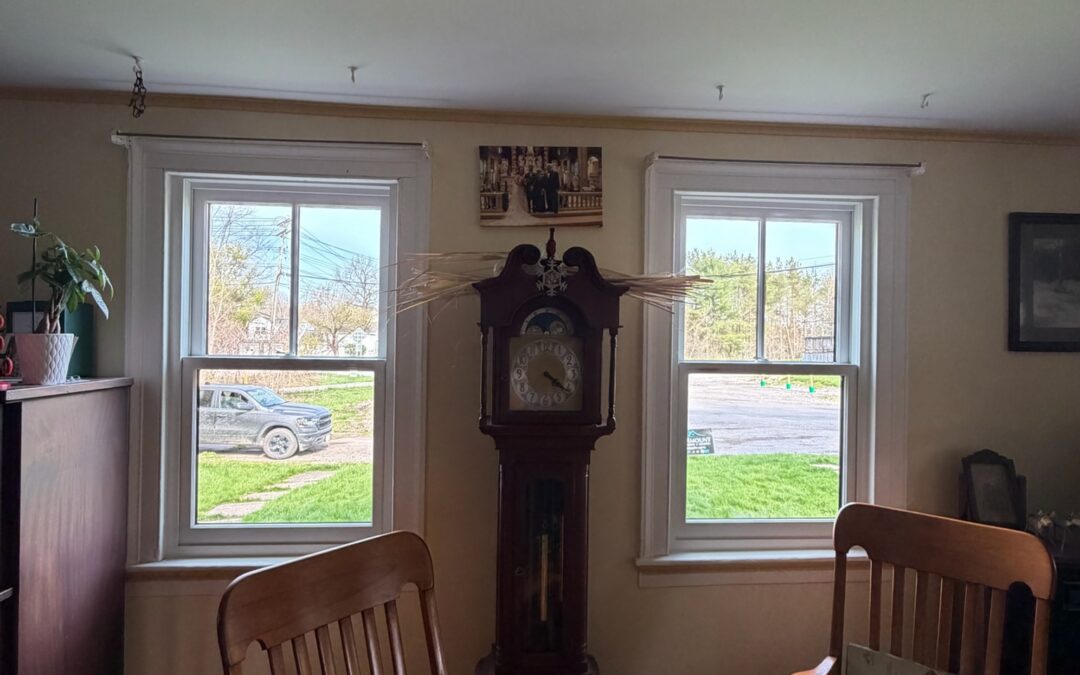
If you’ve been thinking about upgrading your windows, vinyl options have likely come up as a smart choice. These windows have quietly become one of the most popular ways to boost a home’s look and save energy without a lot of fuss. What makes vinyl windows stand out isn’t just their affordability—it’s how they combine style, durability, and efficiency in one package that fits many homes and budgets. In this article, we’ll walk through everything you need to know about why vinyl window upgrades might be the right move for your house and how to get the most from them.
Vinyl window upgrades offer homeowners a durable, low-maintenance, and energy-efficient solution that enhances both the curb appeal and comfort of your home. These windows resist fading, require no repainting, provide excellent insulation to reduce heating and cooling costs, and come in a variety of styles and colors to perfectly complement your home’s aesthetic.
When you choose vinyl windows, you’re investing in a product thoughtfully designed to blend aesthetic appeal with everyday practicality. Beyond brightening up your home’s exterior, these windows bring lasting benefits that homeowners quickly come to appreciate. Paramount Windows & Doors, serving Western New York for over a decade, understands how this combination can revitalize your living space while safeguarding your investment.
One of vinyl’s greatest strengths lies in its durability and low maintenance. Unlike wood frames that require regular painting or sealing, vinyl windows hold their color and structure season after season with almost no upkeep. This means fewer headaches and more time enjoying your home rather than worrying about its upkeep.
This resilience is especially valuable in regions like Elma and Buffalo, where harsh winters and summer humidity challenge materials prone to warping or rotting. Vinyl stands firm, maintaining its performance without fading or cracking.
And this durability doesn’t just protect your home’s looks—it directly affects energy efficiency.
Properly installed vinyl windows create an effective barrier against air leaks and temperature fluctuations that often drive up utility bills. Their multi-chambered frames and tight seals reduce drafts, keeping winter warmth inside and summer heat outside, which translates into consistent indoor comfort year-round.
For homeowners mindful of energy costs or environmental footprint, this efficiency contributes not only to savings but also helps reduce reliance on heating and cooling systems—an easy way to lower monthly expenses without sacrificing comfort.
At Paramount Windows & Doors, expert installation plays a key role in maximizing these benefits. Even the highest-quality vinyl won’t perform if it isn’t fitted precisely.
That’s why we provide free in-home consultations to measure every opening with precision and ensure the perfect fit before ordering custom windows tailored for your home’s unique architecture. Our master craftspeople then handle installation with care, preserving warranty protections and ensuring each window operates smoothly while sealing tightly against the elements.
The visual upgrade is just as compelling as the functional boost.
Vinyl windows come in a variety of styles, colors, and finishes to suit every home—from traditional white frames that evoke timeless simplicity to richer hues that complement bold architectural features.
Whether your goal is subtle enhancement or striking curb appeal, these customizable options allow you to tailor your windows so they harmonize beautifully with your existing decor or freshly modernize it. Imagine looking out from a sparkling new window that lets in natural light unhindered by bulky frames; it’s an experience many Paramount clients describe as both refreshing and uplifting.
Choosing vinyl is also a strategic move if you’re balancing budget with quality. Generally more affordable upfront than wood or fiberglass alternatives while delivering strong long-term performance, vinyl windows provide exceptional value. Coupled with Paramount’s competitive pricing and industry-leading warranties, upgrading becomes accessible without sacrificing craftsmanship or service excellence.
As one satisfied homeowner shared after working with Paramount:
“Our new vinyl windows transformed our house—not just visually but in how comfortable it feels inside now—and knowing we had expert installers gave us total peace of mind.”
With such flexibility in design paired with proven performance benefits, it’s clear why many homeowners prioritize vinyl window upgrades. Next, we explore the variety available that can perfectly match any architectural style or personal preference.
Vinyl windows are impressively versatile, designed to fit nearly every architectural style and homeowner preference. This versatility means that whether your home leans toward traditional or modern aesthetics, there’s a vinyl window style that meshes seamlessly with it. Among the most frequently chosen are single- and double-hung windows—their timeless appeal lies in simplicity and ease of use.
Single-hung windows enable ventilation through the lower sash only, making them cost-effective and secure, while double-hung models let both sashes move, allowing better airflow control and easier cleaning from inside the house.
Sliding windows offer a practical alternative for wider openings, particularly where space outside might be restricted or when you want a wide view without the obstruction of a sash frame. Their horizontal movement is smooth and intuitive, often favored in living rooms or kitchens that open onto patios or gardens.
Meanwhile, casement windows crank open outward, which maximizes ventilation more efficiently than most other designs. Because they open fully, casements invite in fresh air and also provide unobstructed views—making them excellent options for rooms where you want to emphasize light and openness.
Awning windows share a practical edge—hinged at the top so they tilt outward from the bottom, they remain functional even in rainy weather. This feature is particularly appealing in regions where showers come unexpectedly but you still crave fresh air.
Then there are bay and bow windows, architectural features that extend beyond your home’s exterior wall to create extra interior space and flood interiors with natural light. They add character and dimension to your rooms, often serving as cozy reading nooks or breakfast spots bathed in sunlight.
Think about how these choices might complement your own home’s character: A craftsman-style house gleams naturally with double-hung windows whose grid patterns echo historic elegance. On the other hand, a sleek contemporary design can be enhanced by wide casement or sliding windows free of unnecessary dividers.
Beyond aesthetic fit, one cannot overlook how vinyl windows perform when it comes to energy efficiency—a decisive factor for many homeowners today. Understanding this functional aspect helps frame why upgrading your home with vinyl can be both stylish and smart.
Vinyl windows stand out because they are engineered to keep your home comfortable year-round without demanding much from your heating or cooling systems. One key advantage lies in their design: instead of solid frames, these windows use multi-chambered profiles. Imagine a series of tiny air pockets inside the frame—these pockets act like insulation blankets, slowing down the transfer of heat or cold between inside and outside. This simple yet effective technique means less thermal energy escapes through the window frame itself.
This internal structure is more than just clever architecture; it directly impacts your utility bills. When your window frames don’t conduct heat readily, your furnace or air conditioner doesn’t have to work overtime compensating for those losses. In Western New York’s cold winters or humid summers, this translates to tangible savings and enhanced indoor comfort.
Beyond the frames, vinyl windows are typically paired with specialized glass treatments called low-E coatings. These ultra-thin layers reflect infrared light—the invisible heat rays—back inside during winter to retain warmth and bounce them outside in summer to reduce overheating. It’s a physics-powered shield that reduces unwanted solar gain while preserving natural light.
Another critical factor is the quality of sealing and weatherstripping used in vinyl windows. Effective seals prevent drafts that sneak through gaps and cracks, which often plague older or poorly installed windows. Paramount Windows & Doors ensures meticulous installation using precise measurements and professional-grade sealants to create an airtight barrier, helping guard against moisture intrusion and further insulating your home.
Pairing cutting-edge window technology with expert craftsmanship turns vinyl window installations into long-term investments, not just quick fixes.
Compared to traditional wood or aluminum windows, vinyl’s insulating capability often surpasses expectations. While wood offers natural insulation qualities, it requires regular maintenance to maintain its protective surface, which can degrade over time, allowing energy loss. Aluminum windows conduct heat very easily unless they include thermal breaks—a feature that adds to their cost but is not commonly found in budget models. Vinyl strikes a balance by offering durability without sacrificing thermal performance.
When choosing new windows, focusing on how well a product insulates and prevents drafts is crucial—not only for comfort but also for energy savings throughout every season. Paramount Windows & Doors offers a range of vinyl options tailored for Western New York’s climate, backed by expert installation designed to seal out cold winds and heat alike.
Investing in energy-efficient vinyl windows is about more than just lowering monthly expenses; it’s about adding lasting value and peace of mind to your home environment. With the right product selection paired with professional care from a trusted local company like Paramount Windows & Doors, you’re making a smart move toward a warmer winter, cooler summer, and quieter living space.
Contact us at 716-982-5579 for a free consultation and discover how vinyl window upgrades can transform your home’s comfort and efficiency.
Understanding the benefits of quality window materials naturally leads us to consider how these upgrades should be installed. Weighing the pros and cons of doing it yourself versus trusting seasoned professionals can make all the difference in achieving optimal results.
When it comes to replacing or upgrading your windows, you might wonder if tackling the job yourself is a good idea. On the surface, DIY installation promises savings by cutting labor costs—but precision and expertise matter a great deal with windows. A window that isn’t properly sealed might look fine but can cause drafts, water leaks, and costly energy loss over time.
Installing vinyl windows involves more than just slipping them into place; it requires exact measurements, careful handling, and skillful sealing to ensure airtightness and durability.
The structure of a window frame must align flawlessly with your home’s rough opening, sometimes requiring shimming or adjustment that only an experienced installer is equipped to handle without damaging the window or compromising its integrity.
Professionals also understand how to work with insulation materials and vapor barriers in a way that protects against moisture infiltration—a detail often overlooked by first-time installers.
Paramount Windows & Doors prides itself on these installation nuances, ensuring every window fits perfectly and performs optimally for years to come.
Moreover, professional installation comes with benefits beyond just technical proficiency. Many installers provide manufacturer-backed warranties that protect your investment—covering issues like seal failure or component defects that can arise down the road.
Paramount Windows & Doors takes pride in not only expert craftsmanship but also standing behind their work with warranties and attentive aftercare. This comprehensive support can save you both money and headaches in the long run.
Homeowners often tell us that their biggest peace of mind comes from knowing specialists handle every aspect—from precise measuring during in-home consultations to the final quality inspection after installation.
A smooth process like this reduces stress and avoids mistakes common in DIY attempts.
That said, some homeowners with strong handyman skills choose to install vinyl windows themselves. It’s possible if you’re confident working with tools and willing to invest time in learning best practices through tutorials or guides.
However, even then, you risk voiding manufacturer warranties if installation instructions aren’t strictly followed.
Here’s what professional installation typically offers that DIY might miss:
While weighing your options, budget considerations naturally weigh heavily alongside quality and longevity.
Although hiring professionals requires upfront expense compared to buying windows alone, the long-term savings from fewer repairs, lower utility bills, and enhanced comfort often justify the cost.
Paramount Windows & Doors offers free in-home quotes and consultations so you can understand pricing clearly before committing. Their team helps select windows tailored to your budget without sacrificing quality—whether vinyl, wood, or fiberglass.
“I initially thought of doing it myself to save money,” says Chris from Amherst, “but I am glad I hired professionals. The peace of mind and quality of work were worth every penny.”
— Chris, Amherst
Proper installation is an investment in your home’s value and livability. Partnering with trusted experts ensures your upgrade delivers consistent performance—not just today but far into the future.
Understanding costs upfront helps make informed decisions—allowing you to balance quality and affordability as you plan your home improvement journey ahead.
Vinyl window upgrades come with a variety of price points, so understanding the factors that influence cost can help you avoid surprises and make informed decisions. The price per window typically ranges between $300 and $700, including installation, but this depends heavily on the window’s size, style, and any custom features.
For example, larger or specialty windows like bay or bow configurations often command a higher price, sometimes up to $3,000 each. When replacing multiple windows in a home—say, a typical three-bedroom house—it’s easy to see how costs can add up quickly, potentially surpassing several thousand dollars.
Given this variability, it makes sense to gather several quotes from trusted professionals to get a realistic picture tailored to your home and needs. Paramount Windows & Doors, serving Western New York for over a decade, offers free in-home consultations and precise measurements to ensure accuracy in pricing and fit.
Getting these personalized assessments is crucial because it helps avoid overestimations or under-budgeting, which can cause headaches later on. Professional installation by experienced craftspeople can actually save money in the long run by avoiding improper fitting issues that might lead to energy loss or damage.
A well-crafted budget goes beyond just sticker price—it also accounts for value. Energy efficiency gains from vinyl windows contribute significantly to savings on heating and cooling bills over time. These savings effectively offset part of your initial investment.
When evaluating quotes or financing options, think about total ownership costs rather than just upfront expenses. Additionally, many local and federal programs offer financing assistance or rebates for energy-efficient home improvements. Investigating these incentives can stretch your budget further while helping reduce environmental impact.
As you plan your expenses, remember that investing in high-quality vinyl windows from established companies like Paramount Windows & Doors isn’t just about keeping costs low; it’s about securing long-term durability, excellent energy performance, and exceptional warranty coverage.
Our offerings provide low-maintenance solutions that stand up well through Western New York’s variable climate without frequent repairs or refinishing.
To keep your budget manageable, prioritize the most critical window replacements first—perhaps those where drafts or moisture have become significant problems—and phase other updates over time if needed. This approach balances immediate needs with future enhancements without overwhelming finances.
Once you’ve factored all these elements into your budget planning, considering the right window styles and finishes becomes an opportunity to truly elevate your home’s aesthetic and comfort.
Vinyl windows today come in far more than just the classic white. The spectrum of colors and finishes available has grown immensely, letting you choose hues that perfectly complement your home’s character. From sleek blacks that emphasize contemporary minimalism to earthy wood-grain textures that evoke warmth without the upkeep, there’s a look tailored for every taste.
These finishes are not mere surface treatments—they’re engineered to resist fading and cracking over time, preserving both appearance and performance for years to come.
Beyond color, vinyl windows now offer a variety of frame styles and grille patterns, allowing detailed customization that can turn simple functionality into striking architectural statements. Narrow frames maximize glass area for breathtaking views and natural light, while heritage-inspired grids bring timeless charm.
This flexibility means you don’t have to compromise style for efficiency; both can coexist beautifully in your home.
Many homeowners find that these modern options also influence the mood and feel inside their rooms. Just as a fresh coat of paint changes a wall’s entire vibe, upgrading windows refreshes how the space breathes light and life. Imagine basking in warmer sunlight during winter mornings thanks to energy-efficient glazing combined with elegant frame colors that enhance your home’s ambiance seamlessly.
It’s worth noting that the advancements in vinyl window design extend past looks—modern manufacturing techniques ensure these products deliver superior insulation with multi-chambered frames and advanced weatherstripping.
This means while you enjoy the aesthetic upgrade, you also benefit from reduced energy costs as your heating and cooling systems work less hard.
Choosing experienced installers at Paramount Windows & Doors makes all the difference. Our personalized service ensures your vinyl window selection perfectly aligns with both your stylistic preferences and functional needs.
With industry-leading warranties and expert craftsmanship, they help transform your vision into long-lasting reality suited to Western New York’s climate.
As you consider updating your home with vibrant new window styles, keep in mind that professional guidance unlocks the potential for beauty and durability—making this investment truly worthwhile.
Reach out to us for a free consultation at 716-982-5579 or contact us for tailored solutions that refresh your home inside and out.
Upgrading to energy-efficient vinyl windows is a smart way to improve comfort, curb appeal, and long-term home performance. If you are looking for trusted window replacement services in Elma, NY, Paramount Windows & Doors can help you choose the right options for your home. Contact our experienced residential window installers today to schedule your free consultation and learn how vinyl windows replacement can refresh your space while helping reduce drafts and energy loss.

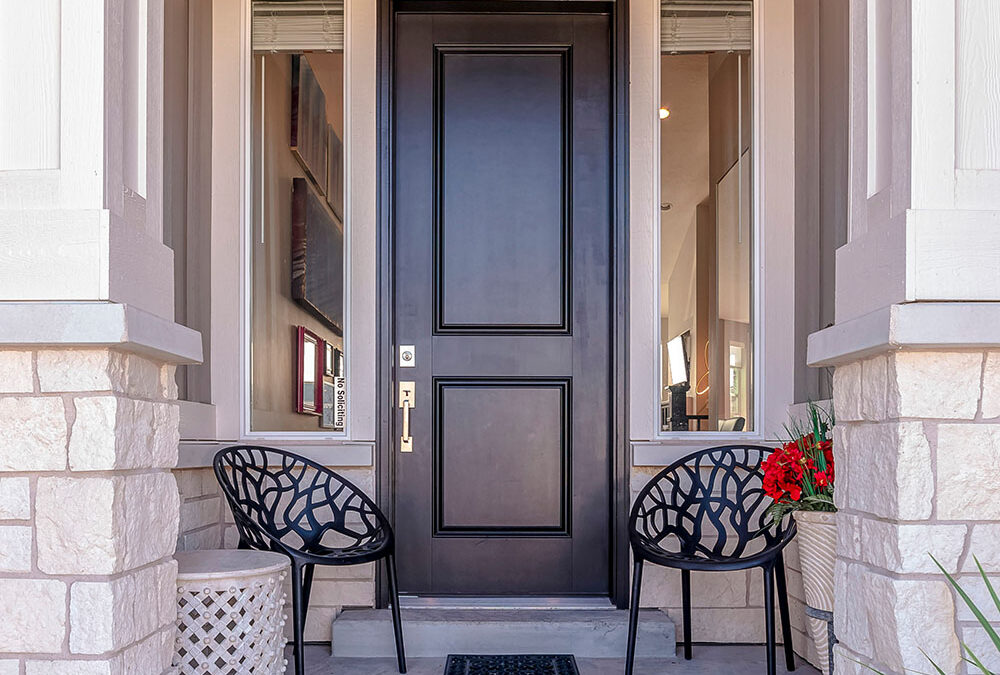
Steel doors are prized for their security and longevity, making them a common choice for entryways and service doors in homes and businesses. Like all building components, however, they eventually show wear or no longer meet a property’s needs. As a team of experienced door and window installers based in Elma, New York, we frequently guide clients through the decision to replace aging doors. In this article, we share our perspective on when a steel door replacement makes sense and why it matters.
Over time, even the most durable materials can develop problems. Because steel is extremely strong, issues may not be immediately obvious. We encourage our clients to look for common warning signs that indicate a replacement is the best option:
By recognizing these signs early, homeowners and business owners can plan ahead and avoid emergency repairs. Steel doors generally last for decades, but replacement becomes necessary when functionality or aesthetics suffer.
When evaluating replacement options, we often recommend steel because it offers a strong balance of security, durability and affordability. According to our own product descriptions, steel doors are known for their ability to withstand harsh weather and resist intruders, and they offer a variety of finishes to suit traditional or contemporary tastes. Here are several reasons to consider steel for your next door:
These attributes make steel an attractive option for new installations and replacements. By selecting a high‑quality steel door, you can enjoy years of dependable service without frequent repairs.
A door’s performance is about more than security. Insulation and energy efficiency play an important role in comfort and cost savings. We design our doors to help reduce energy usage and maintain a comfortable indoor environment. As noted in our company overview, replacing windows and doors can significantly lower energy costs by keeping homes warmer in winter and cooler in summer. When you upgrade a worn steel door, you benefit from:
When combined with energy‑efficient windows, a new steel door contributes to overall comfort and helps maintain a stable interior temperature year‑round.
At Paramount Windows & Doors, we approach every project with a personal, hands‑on process. Our team has more than a decade of experience providing state‑of‑the‑art windows and doors for homes and businesses across Western New York. When you contact us for a steel door replacement, you can expect the following:
This step-by-step approach ensures a smooth experience and a door that meets your expectations for performance and appearance.
A successful door replacement is about more than choosing the right product; it’s about working with a team you trust. Our clients choose us for several reasons:
These benefits have helped us become the trusted leader in Western New York for window and door installations. When you choose our team, you receive both expert guidance and quality products.
While many of our projects involve residential homes, we also install and replace doors in commercial settings. Steel doors are particularly well-suited to commercial properties because of their strength and minimal maintenance requirements. When a business owner asks if it’s time to replace a steel door, we typically evaluate:
As with our residential work, our commercial installations follow the same careful process—consultation, product selection, measurement, installation and follow-up—ensuring reliable performance and a professional appearance.
Because replacing a door is an investment, we encourage clients to ask important questions. The answers help determine the best product and timing for a replacement:
By considering these questions, you can make an informed decision that balances appearance, security and cost.
How long does steel door installation take? Most residential installations can be completed in a single day once the door has been manufactured to size. Our installers arrive on schedule and work efficiently, minimizing disruption.
Can I customize the look of a steel door? Yes. We offer doors that mimic the rich appearance of wood with authentic‑looking grains, as well as smooth options suitable for contemporary designs. Paintable surfaces allow you to choose any color and update it later.
Are steel doors energy efficient? Modern steel doors feature insulating cores and high‑quality weatherstripping, which helps maintain indoor temperatures and reduces energy usage. When combined with professional installation, they offer excellent efficiency.
Do steel doors require maintenance? Steel doors require minimal maintenance. Cleaning the surface and checking the finish periodically will prevent rust. Any scratches or chips should be repainted to protect the metal.
What warranties are offered? While we can’t detail specific warranty terms without a consultation, we only work with manufacturers that stand behind their products. We also provide workmanship guarantees as part of our service.
We are proud to serve homeowners and businesses in Elma, New York, and the surrounding communities. Our local focus allows us to understand the regional climate and building styles, ensuring that our recommendations meet the specific needs of Western New York properties. Whether you need a single entry door for a home or multiple steel doors for a commercial facility, our team is ready to help.
Because our company is rooted in the community, we prioritize relationships. Clients appreciate our personalized service, competitive pricing and commitment to quality. From the moment you contact us through installation and beyond, you’ll work with people who genuinely care about your project.
Replacing a steel door is a significant decision that can impact security, energy efficiency and curb appeal. When your door shows signs of wear, fails to seal properly or no longer matches your property’s style, it’s time to explore a replacement. Steel remains an excellent choice due to its security, durability and affordability.
At Paramount Windows & Doors, our team offers the experience and product selection needed to guide you through the process from start to finish. With our commitment to quality craftsmanship, energy efficiency and personalized service, you can trust us to deliver a door that meets your needs and complements your home or business.
If your current door is difficult to open, no longer seals properly, or does not provide the security and style you want, our team is here to help. At Paramount Windows & Doors, we provide professional steel door replacement, residential door installation, and door replacement services in Elma, NY for homeowners and businesses looking to improve comfort, curb appeal, and performance. Contact us today to schedule your free evaluation and estimate with trusted local window and door installers.
You should consider a replacement if your door is sticking or difficult to open and close, showing excessive rust or corrosion that compromises its strength, or has visible dents and cracks. Drafts and rising energy bills due to damaged weatherstripping are also major indicators that the door has reached the end of its lifespan.
Steel doors are highly prized for their longevity and can easily last for decades with proper care. However, if your door is more than 15 to 20 years old and starts experiencing structural issues, air leaks, or cosmetic damage, upgrading to a modern steel door is usually more cost-effective than continuous repairs.
Yes. Modern steel doors are built with highly efficient insulating cores and advanced weatherstripping. By replacing an old, drafty door, you eliminate cold spots, significantly reduce heat transfer, and keep your HVAC system from working overtime, which leads to lower heating and cooling costs.
Absolutely. You don’t have to sacrifice style for security. Modern steel doors come in a variety of finishes, including options that mimic authentic wood grains for a traditional look, or sleek, smooth surfaces for contemporary designs. They feature paintable surfaces, allowing you to completely customize the color to match your property.
Steel offers an exceptional balance of security, durability, and affordability. It is incredibly tough against intruders and harsh weather, it won’t warp or rot like wood, and it is typically the most budget-friendly material option compared to fiberglass or high-end wood doors—all while requiring very minimal maintenance.
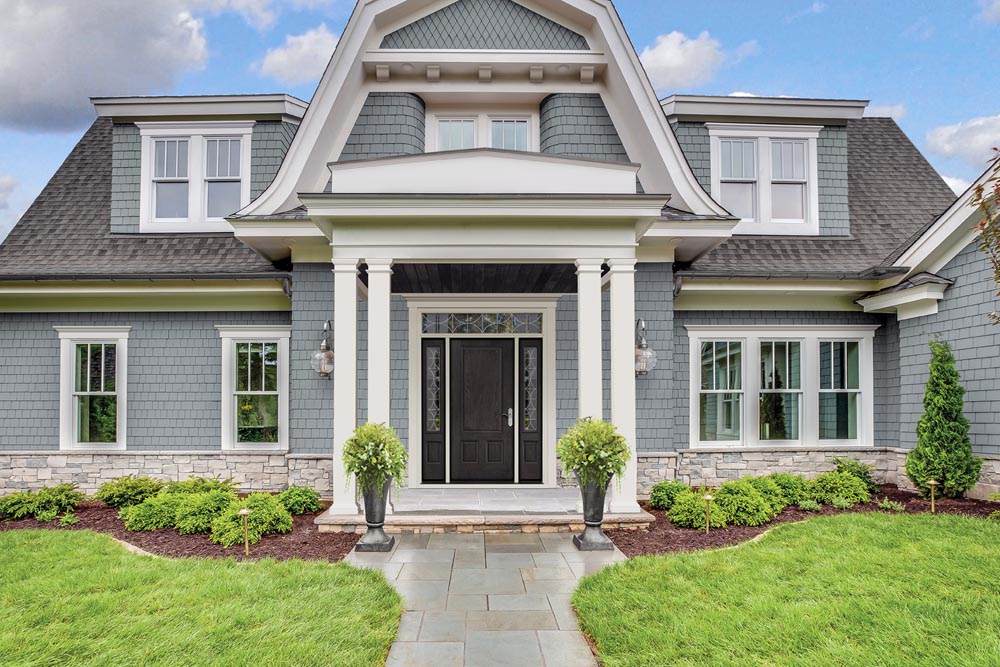
Replacing a front door might not seem urgent until you start noticing small problems—like drafts sneaking in, stubborn locks sticking, or paint peeling off in patches. Yet, these signs often mean your old door is working harder against you than for you. If you’ve been wondering when to swap that worn-out wood door for a better option, fiberglass could be the answer. Not only does it stand up well against weather and wear, but it also helps save energy and adds a fresh look to your home. Let’s explore when and why upgrading to fiberglass makes sense for your front door.
You should consider replacing your old door with a fiberglass door when you notice issues such as difficulty opening or closing, drafts around the edges, visible cracks or surface damage, peeling finishes, failed glass seals, increased energy bills, or reduced security due to misalignment or faulty locks. Timely replacement ensures improved energy efficiency, enhanced security, better insulation, and preserves your home’s curb appeal.
Fiberglass is more than just a sturdy material—it’s a blend of resilience and style that fits well into almost any home environment. Its ability to mimic the warm, inviting look of wood gives you the aesthetic appeal many homeowners desire, while offering strength that wood simply can’t match over time. What really sets fiberglass doors apart is their resistance to common problems like dents, cracks, and warping that plague other door types.
Imagine never having to worry about your door swelling after a heavy rain or shrinking during dry winters. Fiberglass is impervious to this kind of weather-induced damage because it doesn’t absorb moisture. This means no warping or rotting—two common culprits that shorten the life of traditional wood doors. It’s this durability that has earned fiberglass doors their reputation as long-lasting investments.
Studies show that with proper care, these doors can serve you well for decades—some even up to 50 years—outliving many wood and steel doors in the process. By comparison, wood doors generally last between 15 and 30 years before requiring significant repairs or replacement.
Another standout feature of fiberglass doors is their exceptional insulation qualities. Most fiberglass entry systems feature cores filled with high-density foam that slows heat transfer better than steel or even solid wood.
This improved thermal barrier helps your home maintain steady indoor temperatures through all seasons. The U.S. Department of Energy highlights that properly insulated fiberglass doors can reduce heat loss by up to 50% compared to less efficient options.
That kind of energy efficiency translates into real savings on your monthly heating and cooling bills. Especially in areas with extreme temperature swings—whether scorching summers or biting winters—a fiberglass door acts like a shield, keeping your home comfortable without demanding extra from your HVAC system.
Understanding these benefits helps explain why so many homeowners are turning toward fiberglass replacements when their old doors begin showing signs of wear or inefficiency. This leads us to notice the key indicators that make upgrading not just a choice but a practical necessity.
One of the clearest alerts that your door is past its prime is difficulty in operation. When opening or closing your door turns into a tug-of-war, it’s not just an inconvenience; it’s a sign of trouble. The problem often stems from frame warping or wood that has shrunk over time—a natural consequence of weather exposure and house settling.
Unfortunately, these issues rarely have simple fixes because the changes affect the door’s overall structure. Trying to force a misaligned or swollen door open not only stresses the hardware but also creates gaps where warm or cool air escapes. According to reports by the U.S. Department of Energy, improperly fitted doors contribute significantly to energy inefficiency by allowing unwanted drafts, making heating or cooling your home more expensive.
Another sign surfacing over time is increased energy bills with no clear cause. If you notice your utility costs climbing despite unchanged usage habits, your old door might be to blame. Doors rely heavily on effective weatherstripping and tight seals to keep your climate-controlled indoor air from slipping away.
As seals wear out or insulation inside the door declines, heat or cold sneaks through unnoticed until it adds up month after month. The Environmental Protection Agency emphasizes that up to 20% of home energy loss can result from failing doors and windows alone, which underscores how vital they are in maintaining comfort—and your wallet’s health.
Besides these functional issues, visible damage to your door should never be ignored. Cracks that run longer than a couple of inches or peeling paint covering large sections mean moisture has likely seeped inside, risking mold growth and structural damage beneath the surface.
Fiberglass doors excel here—they resist cracking and fading much better than wood, meaning what might spell trouble for a traditional door often lasts much longer with fiberglass.
Security concerns also deserve attention when considering replacement timing. A door that wobbles, fails to latch properly, or feels flimsy when locked leaves your home vulnerable.
While materials count, experts stress that reliable security depends just as much on correct framing and hardware installation as it does on door composition itself. If you find yourself having to jiggle the lock or feeling unsure about whether your door can withstand forced entry attempts, those are critical red flags.
| Sign | What It Indicates | Why It Matters |
| Difficulty opening/closing | Frame warping, swelling | Leads to energy loss and hardware wear |
| Persistent drafts around edges | Worn weatherstripping/seals | Increases heating/cooling costs |
| Visible cracks/splits | Moisture damage | Causes rot, mold growth, and permanent damage |
| Peeling/fading paint or finish | UV damage | Exposes material to accelerated wear |
| Loose locks or a wobbly frame | Security risks | Makes the home vulnerable to break-ins |
| Increasing utility bills | Insulation degradation | Indicates significant inefficiency |
Recognizing these warning signs early helps prevent costly repairs later on. Taking timely action by opting for a fiberglass replacement offers compelling benefits that secure your home’s comfort, security, and energy efficiency for many years ahead.
The advantages of fiberglass entry doors stretch far beyond their attractive finish. First and foremost, they offer enhanced security that can be a cornerstone for protecting your home and family. Many fiberglass doors come equipped with a steel reinforcement core, which gives them rigidity and strength against forced entry attempts.
What’s more, multi-point locking systems that often accompany these doors create multiple secure contact points with the frame, making it even harder for intruders to breach your defenses. Studies from institutions like the National Crime Prevention Council indicate that homes fitted with sturdy, modern doors experience fewer break-ins, underscoring how critical this upgrade can be.
Beyond safety, one of the most appealing features of fiberglass doors is their low maintenance requirement. Unlike traditional wood doors that demand regular painting or staining to prevent cracking, warping, or rot due to weather exposure, fiberglass doors simply need an occasional cleaning with mild soap and water.
That ease dramatically reduces the effort and cost over the years of ownership, as they naturally resist moisture damage, insect infestation, and UV deterioration better than wood alternatives.
Understanding the strengths of fiberglass leads naturally to assessing the financial side—the costs involved and how budgeting wisely can help you make the best decision for your home’s protection and value.
Replacing your door might feel like a big project, but paying close attention to some key details can save you a lot of frustration later. For starters, accurate measurement is essential. Measure your existing door and frame carefully—not once, but twice—because even a small error can cause the new door to fit poorly, creating gaps that defeat the purpose of an energy-efficient fiberglass door.
Once you have your measurements nailed down, the next step is selecting the right style that enhances your home’s curb appeal and suits its architectural design. Fiberglass doors come in a variety of finishes, from sleek contemporary styles with clean lines to classic wood-look textures that add warmth and charm. Choosing a style that matches your home’s exterior isn’t just about aesthetics; it ensures your door feels like a natural extension of the house, which can increase property value and overall satisfaction with your investment.
Timing the installation is another important consideration. Weather conditions dramatically affect how well the door seals and settles into its frame. Ideally, aim for mild weather—between 50°F and 85°F—when the materials aren’t expanding or contracting excessively. Installing during these optimal conditions helps caulks and sealants cure properly, which protects against drafts, moisture intrusion, and energy loss over time. Avoid cold or extremely hot days because temperature fluctuations can lead to warped frames or improperly cured sealants.
Tools also make a difference in ensuring quality installation. Having the right set handy—a tape measure, screwdriver, pry bar, level, hammer, shims, caulk gun, and drill—not only streamlines the process but also reduces mistakes that lead to costly callbacks. Shims are particularly invaluable for leveling and plumb adjustment during installation; without them, even a good door may not operate smoothly.
Installation isn’t just about swapping one door for another; you should take this chance to inspect the existing door frame and threshold carefully. Look for any signs of rot, warping, or damage. Repairing or replacing these components before installing the new door ensures your investment lasts longer without unexpected issues cropping up.
| Step | Why It Matters |
| Accurate Measurement | Prevents fitting problems & air leaks |
| Style Selection | Enhances curb appeal & complements architecture |
| Install During Mild Weather | Ensures proper sealant curing & durable fit |
| Use Proper Tools | Avoids mistakes & makes the job easier |
| Inspect/Repair Frame Beforehand | Prevents future structural & operational issues |
Finally, don’t forget the hardware — locks and handles are more than just functional parts; they contribute to security and ease of use. Ensuring they’re installed correctly and aligned perfectly will prevent issues down the road with door operation and safety. Testing the door thoroughly after installation is crucial: open it smoothly without sticking, check that locks fully engage, and confirm there are no drafts around edges.
Attending closely to each stage—from precise measurement through final hardware checks—creates a smooth experience when upgrading to a fiberglass door. Expert guidance and professional installation services help homeowners avoid pitfalls and secure lasting results on their investment.
When it comes to replacing your old door with a fiberglass model, professional expertise is more than just a convenience—it’s an investment in lasting quality. Paramount Windows NY understands that the nuances of measuring, selecting, and installing a door require precision and experience to guarantee a seamless fit and optimal performance.
Unlike a quick DIY attempt, experts take multiple precise horizontal and vertical measurements, often 5 to 7 points, to account for subtle shifts in a home’s foundation that could affect the final installation. This attention to detail results in a door that fits perfectly, avoiding drafts and operational issues down the road.
Beyond precise measurements, professionals are adept at identifying underlying problems such as rot or structural damage in the existing frame. They don’t just install the new fiberglass door over weak spots; they perform necessary repairs or component replacements before installation.
This thorough approach ensures the new door looks great and maintains durability and security — crucial since fiberglass doors resist warping, cracking, and insulation degradation.
With over 50 years of industry experience, Paramount Windows & Doors offers free consultations. Customers can explore various door styles: entry doors for security, patio doors to connect indoor and outdoor spaces, sliding doors for space-saving efficiency, and elegant doors.If you’re noticing signs like drafts, difficulty opening your door, or rising energy bills, it may be time to invest in professional door replacement services in Elma, NY. Upgrading to a fiberglass door not only improves energy efficiency and security but also enhances your home’s curb appeal for years to come. At Paramount Windows & Doors, our team specializes in residential door installation and replacement, ensuring a precise fit and long-lasting results. Contact us today to schedule your free consultation and discover why homeowners trust us for reliable door and window replacement services in Elma, NY.