
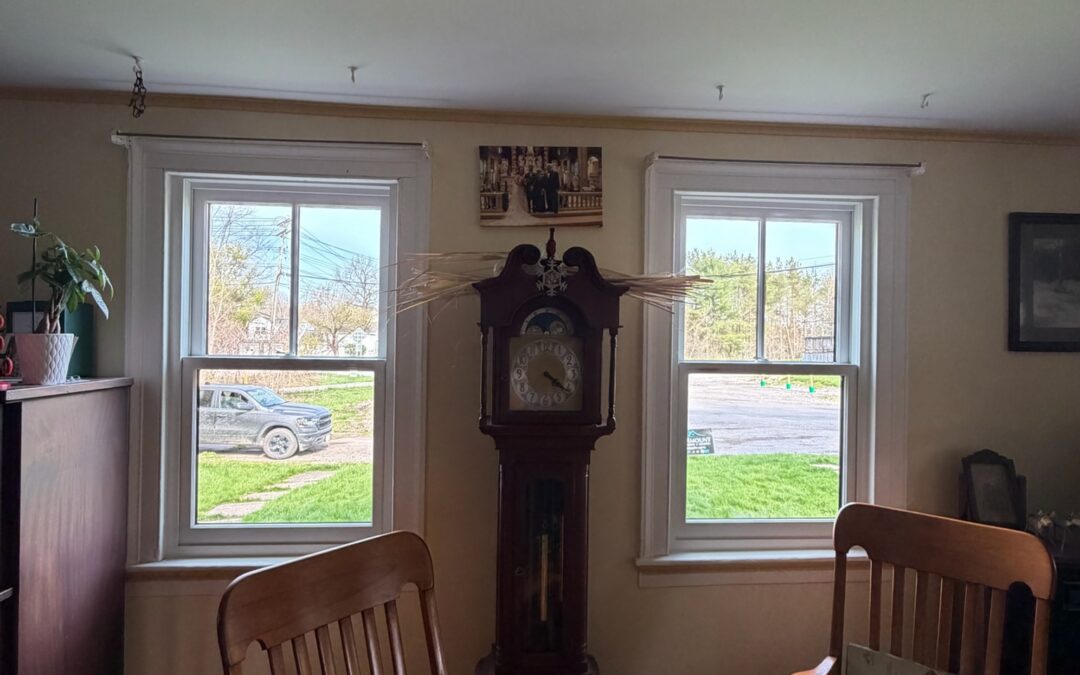
If you’ve been thinking about upgrading your windows, vinyl options have likely come up as a smart choice. These windows have quietly become one of the most popular ways to boost a home’s look and save energy without a lot of fuss. What makes vinyl windows stand out isn’t just their affordability—it’s how they combine style, durability, and efficiency in one package that fits many homes and budgets. In this article, we’ll walk through everything you need to know about why vinyl window upgrades might be the right move for your house and how to get the most from them.
Vinyl window upgrades offer homeowners a durable, low-maintenance, and energy-efficient solution that enhances both the curb appeal and comfort of your home. These windows resist fading, require no repainting, provide excellent insulation to reduce heating and cooling costs, and come in a variety of styles and colors to perfectly complement your home’s aesthetic.
When you choose vinyl windows, you’re investing in a product thoughtfully designed to blend aesthetic appeal with everyday practicality. Beyond brightening up your home’s exterior, these windows bring lasting benefits that homeowners quickly come to appreciate. Paramount Windows & Doors, serving Western New York for over a decade, understands how this combination can revitalize your living space while safeguarding your investment.
One of vinyl’s greatest strengths lies in its durability and low maintenance. Unlike wood frames that require regular painting or sealing, vinyl windows hold their color and structure season after season with almost no upkeep. This means fewer headaches and more time enjoying your home rather than worrying about its upkeep.
This resilience is especially valuable in regions like Elma and Buffalo, where harsh winters and summer humidity challenge materials prone to warping or rotting. Vinyl stands firm, maintaining its performance without fading or cracking.
And this durability doesn’t just protect your home’s looks—it directly affects energy efficiency.
Properly installed vinyl windows create an effective barrier against air leaks and temperature fluctuations that often drive up utility bills. Their multi-chambered frames and tight seals reduce drafts, keeping winter warmth inside and summer heat outside, which translates into consistent indoor comfort year-round.
For homeowners mindful of energy costs or environmental footprint, this efficiency contributes not only to savings but also helps reduce reliance on heating and cooling systems—an easy way to lower monthly expenses without sacrificing comfort.
At Paramount Windows & Doors, expert installation plays a key role in maximizing these benefits. Even the highest-quality vinyl won’t perform if it isn’t fitted precisely.
That’s why we provide free in-home consultations to measure every opening with precision and ensure the perfect fit before ordering custom windows tailored for your home’s unique architecture. Our master craftspeople then handle installation with care, preserving warranty protections and ensuring each window operates smoothly while sealing tightly against the elements.
The visual upgrade is just as compelling as the functional boost.
Vinyl windows come in a variety of styles, colors, and finishes to suit every home—from traditional white frames that evoke timeless simplicity to richer hues that complement bold architectural features.
Whether your goal is subtle enhancement or striking curb appeal, these customizable options allow you to tailor your windows so they harmonize beautifully with your existing decor or freshly modernize it. Imagine looking out from a sparkling new window that lets in natural light unhindered by bulky frames; it’s an experience many Paramount clients describe as both refreshing and uplifting.
Choosing vinyl is also a strategic move if you’re balancing budget with quality. Generally more affordable upfront than wood or fiberglass alternatives while delivering strong long-term performance, vinyl windows provide exceptional value. Coupled with Paramount’s competitive pricing and industry-leading warranties, upgrading becomes accessible without sacrificing craftsmanship or service excellence.
As one satisfied homeowner shared after working with Paramount:
“Our new vinyl windows transformed our house—not just visually but in how comfortable it feels inside now—and knowing we had expert installers gave us total peace of mind.”
With such flexibility in design paired with proven performance benefits, it’s clear why many homeowners prioritize vinyl window upgrades. Next, we explore the variety available that can perfectly match any architectural style or personal preference.
Vinyl windows are impressively versatile, designed to fit nearly every architectural style and homeowner preference. This versatility means that whether your home leans toward traditional or modern aesthetics, there’s a vinyl window style that meshes seamlessly with it. Among the most frequently chosen are single- and double-hung windows—their timeless appeal lies in simplicity and ease of use.
Single-hung windows enable ventilation through the lower sash only, making them cost-effective and secure, while double-hung models let both sashes move, allowing better airflow control and easier cleaning from inside the house.
Sliding windows offer a practical alternative for wider openings, particularly where space outside might be restricted or when you want a wide view without the obstruction of a sash frame. Their horizontal movement is smooth and intuitive, often favored in living rooms or kitchens that open onto patios or gardens.
Meanwhile, casement windows crank open outward, which maximizes ventilation more efficiently than most other designs. Because they open fully, casements invite in fresh air and also provide unobstructed views—making them excellent options for rooms where you want to emphasize light and openness.
Awning windows share a practical edge—hinged at the top so they tilt outward from the bottom, they remain functional even in rainy weather. This feature is particularly appealing in regions where showers come unexpectedly but you still crave fresh air.
Then there are bay and bow windows, architectural features that extend beyond your home’s exterior wall to create extra interior space and flood interiors with natural light. They add character and dimension to your rooms, often serving as cozy reading nooks or breakfast spots bathed in sunlight.
Think about how these choices might complement your own home’s character: A craftsman-style house gleams naturally with double-hung windows whose grid patterns echo historic elegance. On the other hand, a sleek contemporary design can be enhanced by wide casement or sliding windows free of unnecessary dividers.
Beyond aesthetic fit, one cannot overlook how vinyl windows perform when it comes to energy efficiency—a decisive factor for many homeowners today. Understanding this functional aspect helps frame why upgrading your home with vinyl can be both stylish and smart.
Vinyl windows stand out because they are engineered to keep your home comfortable year-round without demanding much from your heating or cooling systems. One key advantage lies in their design: instead of solid frames, these windows use multi-chambered profiles. Imagine a series of tiny air pockets inside the frame—these pockets act like insulation blankets, slowing down the transfer of heat or cold between inside and outside. This simple yet effective technique means less thermal energy escapes through the window frame itself.
This internal structure is more than just clever architecture; it directly impacts your utility bills. When your window frames don’t conduct heat readily, your furnace or air conditioner doesn’t have to work overtime compensating for those losses. In Western New York’s cold winters or humid summers, this translates to tangible savings and enhanced indoor comfort.
Beyond the frames, vinyl windows are typically paired with specialized glass treatments called low-E coatings. These ultra-thin layers reflect infrared light—the invisible heat rays—back inside during winter to retain warmth and bounce them outside in summer to reduce overheating. It’s a physics-powered shield that reduces unwanted solar gain while preserving natural light.
Another critical factor is the quality of sealing and weatherstripping used in vinyl windows. Effective seals prevent drafts that sneak through gaps and cracks, which often plague older or poorly installed windows. Paramount Windows & Doors ensures meticulous installation using precise measurements and professional-grade sealants to create an airtight barrier, helping guard against moisture intrusion and further insulating your home.
Pairing cutting-edge window technology with expert craftsmanship turns vinyl window installations into long-term investments, not just quick fixes.
Compared to traditional wood or aluminum windows, vinyl’s insulating capability often surpasses expectations. While wood offers natural insulation qualities, it requires regular maintenance to maintain its protective surface, which can degrade over time, allowing energy loss. Aluminum windows conduct heat very easily unless they include thermal breaks—a feature that adds to their cost but is not commonly found in budget models. Vinyl strikes a balance by offering durability without sacrificing thermal performance.
When choosing new windows, focusing on how well a product insulates and prevents drafts is crucial—not only for comfort but also for energy savings throughout every season. Paramount Windows & Doors offers a range of vinyl options tailored for Western New York’s climate, backed by expert installation designed to seal out cold winds and heat alike.
Investing in energy-efficient vinyl windows is about more than just lowering monthly expenses; it’s about adding lasting value and peace of mind to your home environment. With the right product selection paired with professional care from a trusted local company like Paramount Windows & Doors, you’re making a smart move toward a warmer winter, cooler summer, and quieter living space.
Contact us at 716-982-5579 for a free consultation and discover how vinyl window upgrades can transform your home’s comfort and efficiency.
Understanding the benefits of quality window materials naturally leads us to consider how these upgrades should be installed. Weighing the pros and cons of doing it yourself versus trusting seasoned professionals can make all the difference in achieving optimal results.
When it comes to replacing or upgrading your windows, you might wonder if tackling the job yourself is a good idea. On the surface, DIY installation promises savings by cutting labor costs—but precision and expertise matter a great deal with windows. A window that isn’t properly sealed might look fine but can cause drafts, water leaks, and costly energy loss over time.
Installing vinyl windows involves more than just slipping them into place; it requires exact measurements, careful handling, and skillful sealing to ensure airtightness and durability.
The structure of a window frame must align flawlessly with your home’s rough opening, sometimes requiring shimming or adjustment that only an experienced installer is equipped to handle without damaging the window or compromising its integrity.
Professionals also understand how to work with insulation materials and vapor barriers in a way that protects against moisture infiltration—a detail often overlooked by first-time installers.
Paramount Windows & Doors prides itself on these installation nuances, ensuring every window fits perfectly and performs optimally for years to come.
Moreover, professional installation comes with benefits beyond just technical proficiency. Many installers provide manufacturer-backed warranties that protect your investment—covering issues like seal failure or component defects that can arise down the road.
Paramount Windows & Doors takes pride in not only expert craftsmanship but also standing behind their work with warranties and attentive aftercare. This comprehensive support can save you both money and headaches in the long run.
Homeowners often tell us that their biggest peace of mind comes from knowing specialists handle every aspect—from precise measuring during in-home consultations to the final quality inspection after installation.
A smooth process like this reduces stress and avoids mistakes common in DIY attempts.
That said, some homeowners with strong handyman skills choose to install vinyl windows themselves. It’s possible if you’re confident working with tools and willing to invest time in learning best practices through tutorials or guides.
However, even then, you risk voiding manufacturer warranties if installation instructions aren’t strictly followed.
Here’s what professional installation typically offers that DIY might miss:
While weighing your options, budget considerations naturally weigh heavily alongside quality and longevity.
Although hiring professionals requires upfront expense compared to buying windows alone, the long-term savings from fewer repairs, lower utility bills, and enhanced comfort often justify the cost.
Paramount Windows & Doors offers free in-home quotes and consultations so you can understand pricing clearly before committing. Their team helps select windows tailored to your budget without sacrificing quality—whether vinyl, wood, or fiberglass.
“I initially thought of doing it myself to save money,” says Chris from Amherst, “but I am glad I hired professionals. The peace of mind and quality of work were worth every penny.”
— Chris, Amherst
Proper installation is an investment in your home’s value and livability. Partnering with trusted experts ensures your upgrade delivers consistent performance—not just today but far into the future.
Understanding costs upfront helps make informed decisions—allowing you to balance quality and affordability as you plan your home improvement journey ahead.
Vinyl window upgrades come with a variety of price points, so understanding the factors that influence cost can help you avoid surprises and make informed decisions. The price per window typically ranges between $300 and $700, including installation, but this depends heavily on the window’s size, style, and any custom features.
For example, larger or specialty windows like bay or bow configurations often command a higher price, sometimes up to $3,000 each. When replacing multiple windows in a home—say, a typical three-bedroom house—it’s easy to see how costs can add up quickly, potentially surpassing several thousand dollars.
Given this variability, it makes sense to gather several quotes from trusted professionals to get a realistic picture tailored to your home and needs. Paramount Windows & Doors, serving Western New York for over a decade, offers free in-home consultations and precise measurements to ensure accuracy in pricing and fit.
Getting these personalized assessments is crucial because it helps avoid overestimations or under-budgeting, which can cause headaches later on. Professional installation by experienced craftspeople can actually save money in the long run by avoiding improper fitting issues that might lead to energy loss or damage.
A well-crafted budget goes beyond just sticker price—it also accounts for value. Energy efficiency gains from vinyl windows contribute significantly to savings on heating and cooling bills over time. These savings effectively offset part of your initial investment.
When evaluating quotes or financing options, think about total ownership costs rather than just upfront expenses. Additionally, many local and federal programs offer financing assistance or rebates for energy-efficient home improvements. Investigating these incentives can stretch your budget further while helping reduce environmental impact.
As you plan your expenses, remember that investing in high-quality vinyl windows from established companies like Paramount Windows & Doors isn’t just about keeping costs low; it’s about securing long-term durability, excellent energy performance, and exceptional warranty coverage.
Our offerings provide low-maintenance solutions that stand up well through Western New York’s variable climate without frequent repairs or refinishing.
To keep your budget manageable, prioritize the most critical window replacements first—perhaps those where drafts or moisture have become significant problems—and phase other updates over time if needed. This approach balances immediate needs with future enhancements without overwhelming finances.
Once you’ve factored all these elements into your budget planning, considering the right window styles and finishes becomes an opportunity to truly elevate your home’s aesthetic and comfort.
Vinyl windows today come in far more than just the classic white. The spectrum of colors and finishes available has grown immensely, letting you choose hues that perfectly complement your home’s character. From sleek blacks that emphasize contemporary minimalism to earthy wood-grain textures that evoke warmth without the upkeep, there’s a look tailored for every taste.
These finishes are not mere surface treatments—they’re engineered to resist fading and cracking over time, preserving both appearance and performance for years to come.
Beyond color, vinyl windows now offer a variety of frame styles and grille patterns, allowing detailed customization that can turn simple functionality into striking architectural statements. Narrow frames maximize glass area for breathtaking views and natural light, while heritage-inspired grids bring timeless charm.
This flexibility means you don’t have to compromise style for efficiency; both can coexist beautifully in your home.
Many homeowners find that these modern options also influence the mood and feel inside their rooms. Just as a fresh coat of paint changes a wall’s entire vibe, upgrading windows refreshes how the space breathes light and life. Imagine basking in warmer sunlight during winter mornings thanks to energy-efficient glazing combined with elegant frame colors that enhance your home’s ambiance seamlessly.
It’s worth noting that the advancements in vinyl window design extend past looks—modern manufacturing techniques ensure these products deliver superior insulation with multi-chambered frames and advanced weatherstripping.
This means while you enjoy the aesthetic upgrade, you also benefit from reduced energy costs as your heating and cooling systems work less hard.
Choosing experienced installers at Paramount Windows & Doors makes all the difference. Our personalized service ensures your vinyl window selection perfectly aligns with both your stylistic preferences and functional needs.
With industry-leading warranties and expert craftsmanship, they help transform your vision into long-lasting reality suited to Western New York’s climate.
As you consider updating your home with vibrant new window styles, keep in mind that professional guidance unlocks the potential for beauty and durability—making this investment truly worthwhile.
Reach out to us for a free consultation at 716-982-5579 or contact us for tailored solutions that refresh your home inside and out.
Upgrading to energy-efficient vinyl windows is a smart way to improve comfort, curb appeal, and long-term home performance. If you are looking for trusted window replacement services in Elma, NY, Paramount Windows & Doors can help you choose the right options for your home. Contact our experienced residential window installers today to schedule your free consultation and learn how vinyl windows replacement can refresh your space while helping reduce drafts and energy loss.

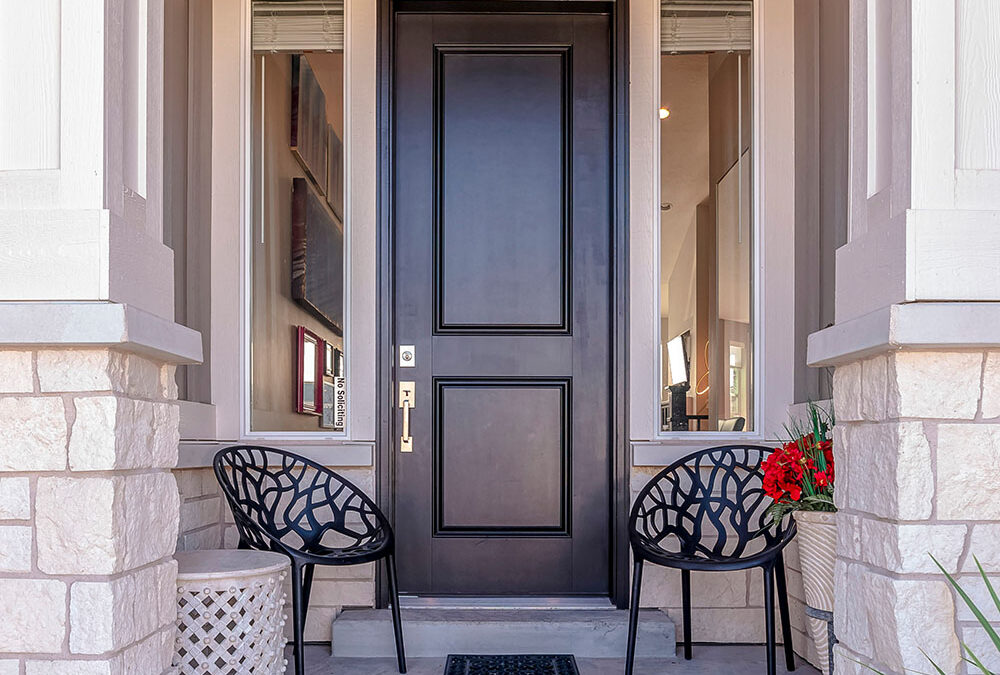
Steel doors are prized for their security and longevity, making them a common choice for entryways and service doors in homes and businesses. Like all building components, however, they eventually show wear or no longer meet a property’s needs. As a team of experienced door and window installers based in Elma, New York, we frequently guide clients through the decision to replace aging doors. In this article, we share our perspective on when a steel door replacement makes sense and why it matters.
Over time, even the most durable materials can develop problems. Because steel is extremely strong, issues may not be immediately obvious. We encourage our clients to look for common warning signs that indicate a replacement is the best option:
By recognizing these signs early, homeowners and business owners can plan ahead and avoid emergency repairs. Steel doors generally last for decades, but replacement becomes necessary when functionality or aesthetics suffer.
When evaluating replacement options, we often recommend steel because it offers a strong balance of security, durability and affordability. According to our own product descriptions, steel doors are known for their ability to withstand harsh weather and resist intruders, and they offer a variety of finishes to suit traditional or contemporary tastes. Here are several reasons to consider steel for your next door:
These attributes make steel an attractive option for new installations and replacements. By selecting a high‑quality steel door, you can enjoy years of dependable service without frequent repairs.
A door’s performance is about more than security. Insulation and energy efficiency play an important role in comfort and cost savings. We design our doors to help reduce energy usage and maintain a comfortable indoor environment. As noted in our company overview, replacing windows and doors can significantly lower energy costs by keeping homes warmer in winter and cooler in summer. When you upgrade a worn steel door, you benefit from:
When combined with energy‑efficient windows, a new steel door contributes to overall comfort and helps maintain a stable interior temperature year‑round.
At Paramount Windows & Doors, we approach every project with a personal, hands‑on process. Our team has more than a decade of experience providing state‑of‑the‑art windows and doors for homes and businesses across Western New York. When you contact us for a steel door replacement, you can expect the following:
This step-by-step approach ensures a smooth experience and a door that meets your expectations for performance and appearance.
A successful door replacement is about more than choosing the right product; it’s about working with a team you trust. Our clients choose us for several reasons:
These benefits have helped us become the trusted leader in Western New York for window and door installations. When you choose our team, you receive both expert guidance and quality products.
While many of our projects involve residential homes, we also install and replace doors in commercial settings. Steel doors are particularly well-suited to commercial properties because of their strength and minimal maintenance requirements. When a business owner asks if it’s time to replace a steel door, we typically evaluate:
As with our residential work, our commercial installations follow the same careful process—consultation, product selection, measurement, installation and follow-up—ensuring reliable performance and a professional appearance.
Because replacing a door is an investment, we encourage clients to ask important questions. The answers help determine the best product and timing for a replacement:
By considering these questions, you can make an informed decision that balances appearance, security and cost.
How long does steel door installation take? Most residential installations can be completed in a single day once the door has been manufactured to size. Our installers arrive on schedule and work efficiently, minimizing disruption.
Can I customize the look of a steel door? Yes. We offer doors that mimic the rich appearance of wood with authentic‑looking grains, as well as smooth options suitable for contemporary designs. Paintable surfaces allow you to choose any color and update it later.
Are steel doors energy efficient? Modern steel doors feature insulating cores and high‑quality weatherstripping, which helps maintain indoor temperatures and reduces energy usage. When combined with professional installation, they offer excellent efficiency.
Do steel doors require maintenance? Steel doors require minimal maintenance. Cleaning the surface and checking the finish periodically will prevent rust. Any scratches or chips should be repainted to protect the metal.
What warranties are offered? While we can’t detail specific warranty terms without a consultation, we only work with manufacturers that stand behind their products. We also provide workmanship guarantees as part of our service.
We are proud to serve homeowners and businesses in Elma, New York, and the surrounding communities. Our local focus allows us to understand the regional climate and building styles, ensuring that our recommendations meet the specific needs of Western New York properties. Whether you need a single entry door for a home or multiple steel doors for a commercial facility, our team is ready to help.
Because our company is rooted in the community, we prioritize relationships. Clients appreciate our personalized service, competitive pricing and commitment to quality. From the moment you contact us through installation and beyond, you’ll work with people who genuinely care about your project.
Replacing a steel door is a significant decision that can impact security, energy efficiency and curb appeal. When your door shows signs of wear, fails to seal properly or no longer matches your property’s style, it’s time to explore a replacement. Steel remains an excellent choice due to its security, durability and affordability.
At Paramount Windows & Doors, our team offers the experience and product selection needed to guide you through the process from start to finish. With our commitment to quality craftsmanship, energy efficiency and personalized service, you can trust us to deliver a door that meets your needs and complements your home or business.
If your current door is difficult to open, no longer seals properly, or does not provide the security and style you want, our team is here to help. At Paramount Windows & Doors, we provide professional steel door replacement, residential door installation, and door replacement services in Elma, NY for homeowners and businesses looking to improve comfort, curb appeal, and performance. Contact us today to schedule your free evaluation and estimate with trusted local window and door installers.
You should consider a replacement if your door is sticking or difficult to open and close, showing excessive rust or corrosion that compromises its strength, or has visible dents and cracks. Drafts and rising energy bills due to damaged weatherstripping are also major indicators that the door has reached the end of its lifespan.
Steel doors are highly prized for their longevity and can easily last for decades with proper care. However, if your door is more than 15 to 20 years old and starts experiencing structural issues, air leaks, or cosmetic damage, upgrading to a modern steel door is usually more cost-effective than continuous repairs.
Yes. Modern steel doors are built with highly efficient insulating cores and advanced weatherstripping. By replacing an old, drafty door, you eliminate cold spots, significantly reduce heat transfer, and keep your HVAC system from working overtime, which leads to lower heating and cooling costs.
Absolutely. You don’t have to sacrifice style for security. Modern steel doors come in a variety of finishes, including options that mimic authentic wood grains for a traditional look, or sleek, smooth surfaces for contemporary designs. They feature paintable surfaces, allowing you to completely customize the color to match your property.
Steel offers an exceptional balance of security, durability, and affordability. It is incredibly tough against intruders and harsh weather, it won’t warp or rot like wood, and it is typically the most budget-friendly material option compared to fiberglass or high-end wood doors—all while requiring very minimal maintenance.
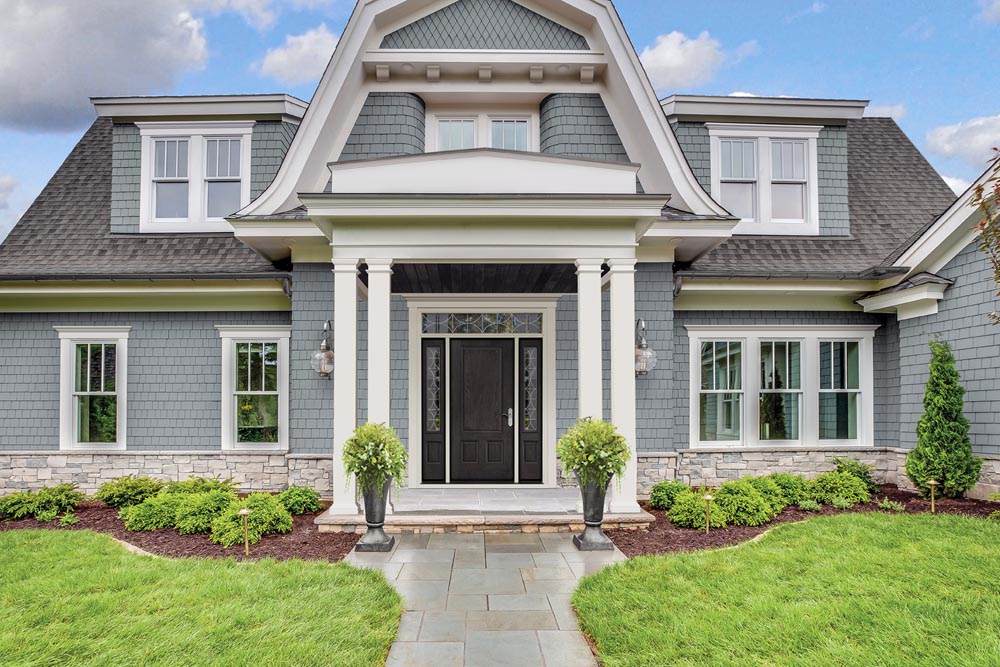
Replacing a front door might not seem urgent until you start noticing small problems—like drafts sneaking in, stubborn locks sticking, or paint peeling off in patches. Yet, these signs often mean your old door is working harder against you than for you. If you’ve been wondering when to swap that worn-out wood door for a better option, fiberglass could be the answer. Not only does it stand up well against weather and wear, but it also helps save energy and adds a fresh look to your home. Let’s explore when and why upgrading to fiberglass makes sense for your front door.
You should consider replacing your old door with a fiberglass door when you notice issues such as difficulty opening or closing, drafts around the edges, visible cracks or surface damage, peeling finishes, failed glass seals, increased energy bills, or reduced security due to misalignment or faulty locks. Timely replacement ensures improved energy efficiency, enhanced security, better insulation, and preserves your home’s curb appeal.
Fiberglass is more than just a sturdy material—it’s a blend of resilience and style that fits well into almost any home environment. Its ability to mimic the warm, inviting look of wood gives you the aesthetic appeal many homeowners desire, while offering strength that wood simply can’t match over time. What really sets fiberglass doors apart is their resistance to common problems like dents, cracks, and warping that plague other door types.
Imagine never having to worry about your door swelling after a heavy rain or shrinking during dry winters. Fiberglass is impervious to this kind of weather-induced damage because it doesn’t absorb moisture. This means no warping or rotting—two common culprits that shorten the life of traditional wood doors. It’s this durability that has earned fiberglass doors their reputation as long-lasting investments.
Studies show that with proper care, these doors can serve you well for decades—some even up to 50 years—outliving many wood and steel doors in the process. By comparison, wood doors generally last between 15 and 30 years before requiring significant repairs or replacement.
Another standout feature of fiberglass doors is their exceptional insulation qualities. Most fiberglass entry systems feature cores filled with high-density foam that slows heat transfer better than steel or even solid wood.
This improved thermal barrier helps your home maintain steady indoor temperatures through all seasons. The U.S. Department of Energy highlights that properly insulated fiberglass doors can reduce heat loss by up to 50% compared to less efficient options.
That kind of energy efficiency translates into real savings on your monthly heating and cooling bills. Especially in areas with extreme temperature swings—whether scorching summers or biting winters—a fiberglass door acts like a shield, keeping your home comfortable without demanding extra from your HVAC system.
Understanding these benefits helps explain why so many homeowners are turning toward fiberglass replacements when their old doors begin showing signs of wear or inefficiency. This leads us to notice the key indicators that make upgrading not just a choice but a practical necessity.
One of the clearest alerts that your door is past its prime is difficulty in operation. When opening or closing your door turns into a tug-of-war, it’s not just an inconvenience; it’s a sign of trouble. The problem often stems from frame warping or wood that has shrunk over time—a natural consequence of weather exposure and house settling.
Unfortunately, these issues rarely have simple fixes because the changes affect the door’s overall structure. Trying to force a misaligned or swollen door open not only stresses the hardware but also creates gaps where warm or cool air escapes. According to reports by the U.S. Department of Energy, improperly fitted doors contribute significantly to energy inefficiency by allowing unwanted drafts, making heating or cooling your home more expensive.
Another sign surfacing over time is increased energy bills with no clear cause. If you notice your utility costs climbing despite unchanged usage habits, your old door might be to blame. Doors rely heavily on effective weatherstripping and tight seals to keep your climate-controlled indoor air from slipping away.
As seals wear out or insulation inside the door declines, heat or cold sneaks through unnoticed until it adds up month after month. The Environmental Protection Agency emphasizes that up to 20% of home energy loss can result from failing doors and windows alone, which underscores how vital they are in maintaining comfort—and your wallet’s health.
Besides these functional issues, visible damage to your door should never be ignored. Cracks that run longer than a couple of inches or peeling paint covering large sections mean moisture has likely seeped inside, risking mold growth and structural damage beneath the surface.
Fiberglass doors excel here—they resist cracking and fading much better than wood, meaning what might spell trouble for a traditional door often lasts much longer with fiberglass.
Security concerns also deserve attention when considering replacement timing. A door that wobbles, fails to latch properly, or feels flimsy when locked leaves your home vulnerable.
While materials count, experts stress that reliable security depends just as much on correct framing and hardware installation as it does on door composition itself. If you find yourself having to jiggle the lock or feeling unsure about whether your door can withstand forced entry attempts, those are critical red flags.
| Sign | What It Indicates | Why It Matters |
| Difficulty opening/closing | Frame warping, swelling | Leads to energy loss and hardware wear |
| Persistent drafts around edges | Worn weatherstripping/seals | Increases heating/cooling costs |
| Visible cracks/splits | Moisture damage | Causes rot, mold growth, and permanent damage |
| Peeling/fading paint or finish | UV damage | Exposes material to accelerated wear |
| Loose locks or a wobbly frame | Security risks | Makes the home vulnerable to break-ins |
| Increasing utility bills | Insulation degradation | Indicates significant inefficiency |
Recognizing these warning signs early helps prevent costly repairs later on. Taking timely action by opting for a fiberglass replacement offers compelling benefits that secure your home’s comfort, security, and energy efficiency for many years ahead.
The advantages of fiberglass entry doors stretch far beyond their attractive finish. First and foremost, they offer enhanced security that can be a cornerstone for protecting your home and family. Many fiberglass doors come equipped with a steel reinforcement core, which gives them rigidity and strength against forced entry attempts.
What’s more, multi-point locking systems that often accompany these doors create multiple secure contact points with the frame, making it even harder for intruders to breach your defenses. Studies from institutions like the National Crime Prevention Council indicate that homes fitted with sturdy, modern doors experience fewer break-ins, underscoring how critical this upgrade can be.
Beyond safety, one of the most appealing features of fiberglass doors is their low maintenance requirement. Unlike traditional wood doors that demand regular painting or staining to prevent cracking, warping, or rot due to weather exposure, fiberglass doors simply need an occasional cleaning with mild soap and water.
That ease dramatically reduces the effort and cost over the years of ownership, as they naturally resist moisture damage, insect infestation, and UV deterioration better than wood alternatives.
Understanding the strengths of fiberglass leads naturally to assessing the financial side—the costs involved and how budgeting wisely can help you make the best decision for your home’s protection and value.
Replacing your door might feel like a big project, but paying close attention to some key details can save you a lot of frustration later. For starters, accurate measurement is essential. Measure your existing door and frame carefully—not once, but twice—because even a small error can cause the new door to fit poorly, creating gaps that defeat the purpose of an energy-efficient fiberglass door.
Once you have your measurements nailed down, the next step is selecting the right style that enhances your home’s curb appeal and suits its architectural design. Fiberglass doors come in a variety of finishes, from sleek contemporary styles with clean lines to classic wood-look textures that add warmth and charm. Choosing a style that matches your home’s exterior isn’t just about aesthetics; it ensures your door feels like a natural extension of the house, which can increase property value and overall satisfaction with your investment.
Timing the installation is another important consideration. Weather conditions dramatically affect how well the door seals and settles into its frame. Ideally, aim for mild weather—between 50°F and 85°F—when the materials aren’t expanding or contracting excessively. Installing during these optimal conditions helps caulks and sealants cure properly, which protects against drafts, moisture intrusion, and energy loss over time. Avoid cold or extremely hot days because temperature fluctuations can lead to warped frames or improperly cured sealants.
Tools also make a difference in ensuring quality installation. Having the right set handy—a tape measure, screwdriver, pry bar, level, hammer, shims, caulk gun, and drill—not only streamlines the process but also reduces mistakes that lead to costly callbacks. Shims are particularly invaluable for leveling and plumb adjustment during installation; without them, even a good door may not operate smoothly.
Installation isn’t just about swapping one door for another; you should take this chance to inspect the existing door frame and threshold carefully. Look for any signs of rot, warping, or damage. Repairing or replacing these components before installing the new door ensures your investment lasts longer without unexpected issues cropping up.
| Step | Why It Matters |
| Accurate Measurement | Prevents fitting problems & air leaks |
| Style Selection | Enhances curb appeal & complements architecture |
| Install During Mild Weather | Ensures proper sealant curing & durable fit |
| Use Proper Tools | Avoids mistakes & makes the job easier |
| Inspect/Repair Frame Beforehand | Prevents future structural & operational issues |
Finally, don’t forget the hardware — locks and handles are more than just functional parts; they contribute to security and ease of use. Ensuring they’re installed correctly and aligned perfectly will prevent issues down the road with door operation and safety. Testing the door thoroughly after installation is crucial: open it smoothly without sticking, check that locks fully engage, and confirm there are no drafts around edges.
Attending closely to each stage—from precise measurement through final hardware checks—creates a smooth experience when upgrading to a fiberglass door. Expert guidance and professional installation services help homeowners avoid pitfalls and secure lasting results on their investment.
When it comes to replacing your old door with a fiberglass model, professional expertise is more than just a convenience—it’s an investment in lasting quality. Paramount Windows NY understands that the nuances of measuring, selecting, and installing a door require precision and experience to guarantee a seamless fit and optimal performance.
Unlike a quick DIY attempt, experts take multiple precise horizontal and vertical measurements, often 5 to 7 points, to account for subtle shifts in a home’s foundation that could affect the final installation. This attention to detail results in a door that fits perfectly, avoiding drafts and operational issues down the road.
Beyond precise measurements, professionals are adept at identifying underlying problems such as rot or structural damage in the existing frame. They don’t just install the new fiberglass door over weak spots; they perform necessary repairs or component replacements before installation.
This thorough approach ensures the new door looks great and maintains durability and security — crucial since fiberglass doors resist warping, cracking, and insulation degradation.
With over 50 years of industry experience, Paramount Windows & Doors offers free consultations. Customers can explore various door styles: entry doors for security, patio doors to connect indoor and outdoor spaces, sliding doors for space-saving efficiency, and elegant doors.If you’re noticing signs like drafts, difficulty opening your door, or rising energy bills, it may be time to invest in professional door replacement services in Elma, NY. Upgrading to a fiberglass door not only improves energy efficiency and security but also enhances your home’s curb appeal for years to come. At Paramount Windows & Doors, our team specializes in residential door installation and replacement, ensuring a precise fit and long-lasting results. Contact us today to schedule your free consultation and discover why homeowners trust us for reliable door and window replacement services in Elma, NY.
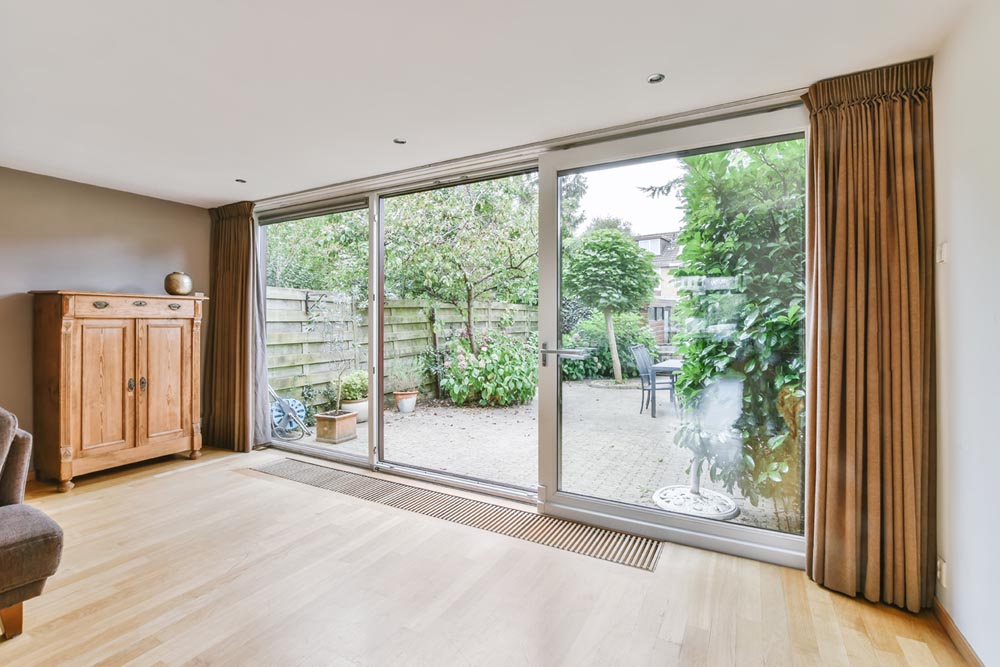
When we think about home security, sliding glass doors might not be the first thing that comes to mind. After all, large glass panels can seem like easy targets for burglars. But new sliding glass doors are changing that story—they’re now built with features that make them much harder to break into than you might expect. From stronger glass to smarter locks, these doors offer real protection without giving up style or convenience. In this article, we’ll explore how today’s sliding glass doors can help keep your home safer and more secure.
New sliding glass doors offer improved security features such as reinforced, impact-resistant glass that is harder to break and advanced multi-point locking systems that prevent unauthorized entry. Additionally, modern designs often include built-in anti-lift mechanisms and compatibility with security sensors, providing comprehensive protection against common burglary methods.
The heart of modern sliding glass door security lies in robust, multi-point locking systems. Unlike older doors that relied on a single latch easily bypassed by jiggling the handle or simple tools, these upgraded locks engage multiple bolts that secure the door firmly into the frame at several points simultaneously. This creates a much stronger barrier against forced entry attempts, requiring significantly greater effort or specialized equipment for burglars to defeat. Reinforced frames made from materials like heavy-gauge aluminum or steel further complement these locks by resisting bending or prying forces that intruders often use to lift doors off their tracks.
Another essential component is the glass itself. Advances in glass technology mean that many new sliding doors use laminated or tempered glass engineered to resist shattering. Laminated glass layers can endure impacts up to 400 pounds per square foot, making quick break-ins far less likely. Even tempered safety glass, which is already four to five times stronger than regular annealed glass, tends to break into small granules rather than dangerous shards but still requires loud and forceful impact, increasing the chance of detection.
A recent study from the Security Industry Association shows that homes fitted with sliding doors featuring multi-point locks and laminated glass experience a 60% reduction in forced-entry occurrences compared to traditional single-latch models. Moreover, frames reinforced with high-strength metals can withstand bending forces exceeding 1,200 pounds, greatly reducing vulnerabilities at common break-in points.
Together, these features form layers of physical security that deter burglars by raising both the difficulty and risk of detection.
For homeowners looking to maximize protection without completely replacing their doors, applying security window films can add an extra shield for existing glass panels. This peel-and-stick vinyl layer holds shattered fragments together, delaying entry and giving you more time to respond if someone tries to break in. Adding security bars or track blockers — such as metal braces or even simple sturdy sticks placed in the bottom rail — creates affordable physical barriers that discourage intruders from lifting or forcing open doors.
Technology also plays a growing role: integrating smart lock systems enables remote monitoring and control, cutting unauthorized access attempts nearly in half, according to data from the National Institute of Standards and Technology. Meanwhile, alarm sensors such as dual-tech glass-break detectors and door contact sensors react within fractions of a second to intrusion efforts, instantly alerting you and authorities.
Placing visible sensors near sliding doors serves not only as detection but also as deterrence—many burglars avoid homes where they know breaking in will trigger alarms quickly.
Combining these innovations creates what security experts call a “layered defense.” No single feature is invincible alone—but when you reinforce locks with strong frames, advanced glass types, physical barriers, and alarm systems working together, you create a formidable obstacle that seriously discourages even the most determined intruders.
This layered approach sets the stage for exploring how advances in locking mechanisms themselves serve as critical components in securing your home beyond the door’s frame and glass.
Sliding glass doors today are no longer secured by just one simple lock. Instead, they feature multi-point locking systems, which fasten the door simultaneously at several points along its frame. This means a would-be intruder can’t just pry one spot and get inside; they’re faced with multiple reinforced points that significantly boost resistance and stability.
From my experience working with commercial door installations, this is a game-changer in home security—it distributes the locking force evenly and reduces stress on any single part of the door, preventing warping or damage over time.
In fact, studies have confirmed this increased protection. The U.S. Department of Justice reports that sliding doors equipped with multi-point locks offer about 40% greater resistance to forced entry than traditional single-point locks. For homeowners concerned about safety or living in areas where break-ins are more common, this improvement delivers both peace of mind and tangible security benefits.
Beyond physical locks, many new sliding doors integrate smart locking systems that revolutionize how we interact with our front entrances.
Controlled through smartphone apps, these smart locks let you lock or unlock your door remotely—whether you’re at work, on vacation, or just outside reaching for your keys. But convenience isn’t the only perk here; these systems also monitor entries, log activity, and send instant alerts during suspicious attempts to access your home.
This connectivity bridges traditional security with modern technology, offering an adaptive defense that can update through software upgrades rather than replacing hardware repeatedly.
When choosing smart locks, look for models compatible with popular home automation platforms, ensuring seamless integration without sacrificing future flexibility.
Another critical aspect often paired with advanced locks is how the door frame and meeting stiles are engineered to support such systems.
Reinforced stiles handle the stress from multiple lock points while maintaining a slim profile for aesthetics and function. The result is a door that feels sturdy but looks elegant—important when you want both security and style.
It’s also important to consider concealed locking components, which hide robust mechanisms within the door structure itself.
These take away vulnerable protruding parts burglars might exploit, making forced entry harder without compromising design’s clean lines. It’s impressive how these innovations allow security features to stay out of sight but not out of reach for effectiveness.
For those investing in new sliding glass doors through reputable companies like Paramount Windows & Doors, specifying advanced locking options is key.
It ensures not just compliance with rising security standards such as PAS 24 and Secured by Design certifications but also guarantees long-term resilience against evolving threats.
While locks form the heart of door security, the materials supporting them play an equally crucial role in strengthening your home’s defenses against intrusion—and that’s what we’ll explore next.
Sliding glass doors in 2026 are no longer just simple panes framed in metal; they’re engineered fortresses designed to protect your home while complementing its aesthetic. The core of this enhanced security starts with the materials chosen and how they’re constructed.
Take reinforced aluminum or steel frames, for instance—these aren’t your typical lightweight trims. They are thicker, tougher, and often treated with corrosion-resistant coatings that keep them intact under stress and over time. Unlike older wooden frames that can warp or split under pressure, these metal frames resist bending, making it incredibly difficult for intruders to pry them open.
Imagine trying to force a heavy steel door open—it’s no easy task. That’s precisely the principle behind these reinforced frames. By investing in stronger metals, manufacturers ensure that even if an outsider manages to shatter the glass pane, the frame itself offers a robust line of defense, preventing easy entry.
But the protection doesn’t stop with the frame. Modern sliding doors incorporate advanced reinforced glass technologies, blending toughness with smart features.
Laminated glass is a prime example: composed of two or more glass layers bonded tightly with a strong interlayer, it holds together when shattered rather than breaking into dangerous shards. This type of glass not only deters break-ins but also reduces noise and blocks harmful UV rays.
When selecting sliding doors, look specifically for products that highlight both reinforced metals and multi-layered laminated or tempered glass—these combinations boost durability significantly. They help maintain security without sacrificing style or clarity.
Linda Matthews, who manages several commercial properties, shared how upgrading to sliding doors with reinforced frames transformed safety outcomes.
“Since we installed these robust doors,” she says, “attempted break-ins have noticeably decreased. The deterrent factor alone makes our tenants feel safer.” It’s a real testament to how structural choices make a day-to-day difference in home and business security.
After understanding the strength embedded in materials and frame construction, it becomes clear why ongoing maintenance plays a vital role in preserving both safety and smooth operation over the years.
Impact resistance in sliding glass doors is much more than a selling point—it’s a fundamental safeguard that transforms your entryway into a barrier against extreme forces. The glass used in impact-rated doors is laminated or tempered, meaning it’s specially designed to withstand impacts without shattering dangerously. Imagine a hurricane-force gust or even an unexpected intrusion attempt; the glass won’t break apart into sharp shards but instead holds together thanks to a resilient interlayer.
This safety feature is mandated in regions like Florida’s High-Velocity Hurricane Zones, where severe storms are common, making compliant doors more than just beneficial—they’re legally essential.
Data from the Insurance Institute for Business & Home Safety supports this, showing that impact-resistant glass can endure blows up to four times stronger than ordinary glass. This resilience reduces not only the risk of injury but also significant property damage during storms or forced entries. For homeowners, this means protecting what matters most: their family’s safety and their investment.
Equally important is the door’s ability to seal out the elements through expert weather sealing techniques. These seals create an almost airtight barrier that stops water, wind, dust, and even noise from sneaking through cracks. It’s more than comfort—it preserves the door’s frame and surrounding structure by preventing moisture from seeping in and causing rot or corrosion over time.
In coastal areas, where salt air can accelerate damage, quality weather stripping combined with premium frame materials ensures your door withstands both climate and time.
To maintain these benefits, monthly upkeep is key—vacuuming door tracks prevents sand and salt buildup that could wear down moving parts or interfere with locking systems. Silicone-based lubricants keep components smooth without attracting grime, unlike oil-based alternatives that quickly accumulate dirt.
Also, inspecting weather stripping annually safeguards against leaks before they start undermining home protection during intense tropical downpours.
Beyond safety, well-sealed sliding doors play an impressive role in energy conservation. Tight seals keep conditioned air inside, reducing reliance on heating or cooling systems and cutting utility bills—a vital consideration given today’s rising energy costs and evolving energy codes.
Additionally, many impact-rated models include Low-E coatings on laminated glass that block up to 99% of harmful UV rays. This not only protects interior furnishings from fading but also helps maintain stable indoor temperatures year-round.
These superior protective qualities blend seamlessly with sleek designs tailored for modern homes—proving that security doesn’t have to come at the expense of style or comfort.
“Choosing sliding doors with certified impact resistance and superior weather sealing is not just smart—it’s essential for peace of mind in vulnerable environments.”
When selecting new sliding doors, ensure they come with proof of certification. These official stamps guarantee the doors meet rigorous testing standards required for hurricane zones and provide verified protection.
At Paramount Windows, we understand how crucial these features are for homes facing fierce weather challenges. Our product lineup includes expertly engineered, impact-rated sliding glass doors that combine technical performance with elegant design—delivering reliable security, robust durability, and significant energy savings for your residence.
With the foundational safety measures clearly outlined, it’s equally important to consider how these doors contribute to your home’s climate control and energy budgeting strategies moving forward.
When it comes to controlling the temperature inside your home, sliding glass doors are surprisingly effective. Modern models use advanced insulation materials combined with innovative glass designs that work together to minimize heat loss during chilly months and keep out excessive heat when summer arrives. This isn’t just a minor perk—it’s a substantial improvement in maintaining a comfortable living space year-round without overburdening your heating or cooling systems.
In fact, the U.S. Department of Energy reports that upgrading to energy-efficient windows and doors can reduce your energy bills by as much as 15% annually. That’s not only good for your wallet but also beneficial from an environmental standpoint, helping reduce overall household energy consumption.
The centerpiece of this thermal efficiency is usually the Insulating Glass Unit (IGU). These units consist of two or more glass panes separated by a sealed air space, often filled with argon gas. Argon is denser than ordinary air, which dramatically lowers heat transfer across the panes.
By creating this insulating barrier, IGUs prevent cold drafts in winter and limit heat intrusion in summer, making the doors one of the smartest investments you can make for comfort and cost savings.
What’s more, these glass panels are often treated with low-emissivity (low-e) coatings that reflect infrared light while allowing visible light to pass through. This means you get natural sunlight to brighten your rooms without the accompanying heat that adds load to your AC system.
For homeowners looking to maximize energy savings and insulation benefits, selecting triple-pane IGUs adds yet another layer of protection against temperature fluctuations—a feature increasingly popular in newer sliding door installations.
But energy efficiency isn’t just about the glass itself. The door frames, most commonly constructed from aluminum with a thermal break or composite materials, work in tandem with the IGUs to reduce heat conduction through framing. Paramount Windows specializes in doors designed specifically with these insulated frames to complement the sophisticated glass technology.
By addressing both glass and frame quality, new sliding glass doors build a seal so tight that it doesn’t just hold back weather—it actively lowers your monthly expenses and increases home comfort seamlessly throughout the seasons.
Embracing these energy-efficient features goes beyond simple utility savings; it represents a commitment to long-term home improvement that blends form with function. As you consider updating your entryways, remember that investing in quality sliding glass doors safeguards your home environment, reducing utility costs while enhancing daily comfort.
Beyond these practical benefits, these sliding glass doors offer an opportunity to significantly enhance your home’s visual appeal—turning functional design into striking aesthetics.
Sliding glass doors today are far more than just functional entry points—they act as a seamless bridge between your indoor comfort and the outside world. Modern designs feature sleek, slim frames that maximize glass area, allowing natural light to flood rooms and creating an open, airy feeling. Whether your home embraces a classic style or bold contemporary architecture, there’s a door finish and frame material ready to complement it flawlessly. Aluminum frames offer a sharp, minimalist look with durability to match, while wood-grain vinyl or composite frames bring warmth and a timeless quality.
What makes choosing the right design especially rewarding is how customizable these doors have become. You can pick from a wide palette of colors—from traditional whites and blacks to sophisticated matte finishes or even custom hues designed to perfectly align with your home’s color scheme. Integrated blinds hidden between glass panes add both elegance and practicality, allowing you to control light and privacy without interrupting the clean lines of your door’s profile.
Another key element in design is the type of glass you select. Clear glass maximizes visibility and connection with nature but introduces privacy concerns—this is where frosted, tinted, or patterned options come into play. These alternatives provide more seclusion without compromising the door’s aesthetic appeal. Advanced glazing options like double or triple-pane insulated glass not only boost energy efficiency but also maintain sleekness and clarity, ensuring your doors look modern while performing at their best.
When selecting sliding glass doors for your home, think beyond basic security and insulation metrics. Consider how the door will fit into your overall design vision and daily lifestyle. Coordinating hardware finishes—handles and locks in brushed nickel, bronze, or matte black—can elevate even subtle design choices into signature touches.
If your sliding glass doors feel outdated or lack proper security, it may be time to consider professional door replacement services in Elma, NY. At Paramount Windows & Doors, we specialize in residential door installation, window replacement services, and commercial window installation, helping homeowners and businesses improve safety, energy efficiency, and long-term value. Our expert team ensures every installation is built for durability, performance, and peace of mind. Contact Paramount Windows & Doors today to schedule your consultation and upgrade your home or commercial space with trusted local installers.
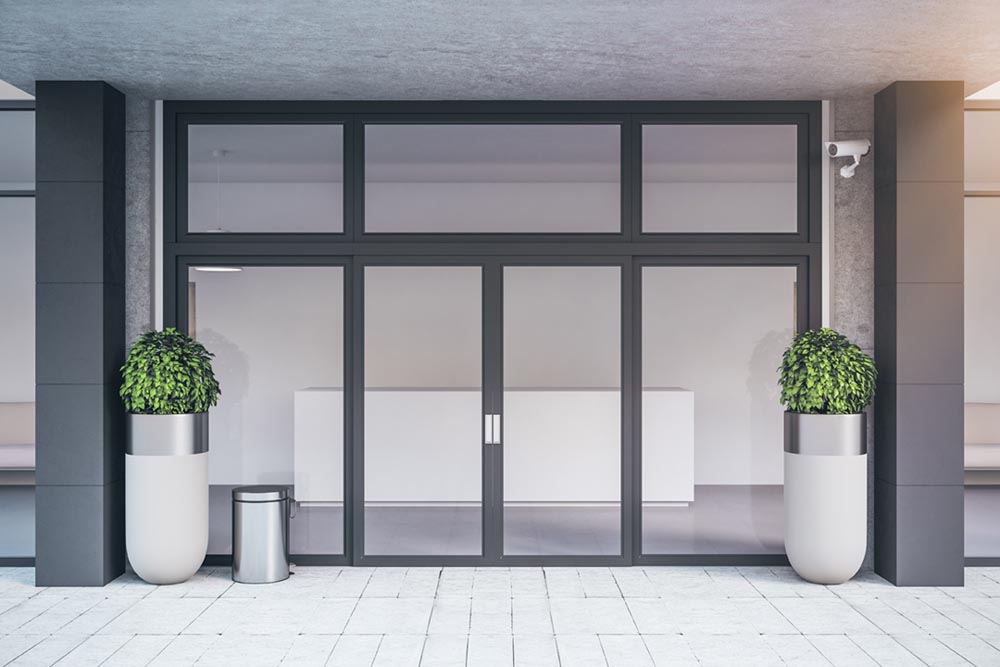
Choosing the right commercial door isn’t just about picking something that looks good or fits your budget. It’s about finding a door that can stand up to daily wear, keep your business secure, and handle whatever weather comes its way—without constant repairs or headaches. In this guide, we’ll break down how to pick doors built to last, covering materials, security features, construction quality, and simple maintenance tips that help your investment pay off in the long run.
When choosing long-lasting commercial doors, prioritize materials like steel or heavy-duty aluminum, known for their durability and resistance to wear. Additionally, consider features such as high-quality hardware, proper insulation, and weather-resistant finishes to enhance door longevity while matching your business’s security and aesthetic needs.
Steel doors dominate the commercial market because of their unmatched strength and lifespan. Unlike other materials, steel resists warping, dents, and heavy impact—qualities that make it ideal for high-traffic or security-sensitive areas. In fact, studies show that with proper upkeep, steel doors can easily last over 30 years, offering both cost-effectiveness and peace of mind.
But keep in mind, steel isn’t invincible—it can rust if moisture gets the upper hand. Regular painting and inspection are key to preventing corrosion.
Aluminum doors provide a great balance between weight and endurance. Their lightness makes installation simpler and reduces wear on hinges and opener mechanisms over time. Additionally, aluminum’s natural corrosion resistance lowers maintenance demands compared to steel.
However, this lighter build comes at the cost of some security strength—aluminum doors may not stand up as well against forced entry attempts in more vulnerable settings.
Fiberglass often flies under the radar but deserves its place as a practical choice, especially in harsh climates. Resistant to dents and scratches, fiberglass holds up well against moisture, salt air, and temperature swings without fading or cracking.
Its insulating properties also help reduce energy costs by maintaining interior temperatures. Though pricier upfront than aluminum or wood, its durability can pay dividends when long-term performance matters most.
Wood doors bring timeless charm to storefronts and offices seeking a warm, inviting aesthetic. That said, wood demands more care—regular sealing or painting is essential to shield it from rot, warping, and insect damage.
Hardwoods like oak or mahogany improve durability but come with increased costs and weight considerations. If your priority leans toward look and feel rather than maximum security or weather resistance, quality wood offers a statement-making option.
Understanding these materials helps you weigh trade-offs carefully. For instance, investing a bit more in steel or fiberglass might save you thousands down the road by avoiding frequent repairs or replacements. Conversely, if you seek an eye-catching facade with manageable upkeep, wood could be your go-to despite its higher care needs.
Once you’ve zeroed in on your ideal door material, the next crucial step involves enhancing security features tailored to your business’s needs while integrating them seamlessly with your chosen door type.
When selecting commercial doors, investing in advanced locking mechanisms is no longer optional—it’s essential. Electronic locks equipped with keypads or biometric scanners such as fingerprint or facial recognition add a level of precision that traditional keys simply can’t match.
These systems do more than just lock a door; they become part of an integrated security network capable of real-time monitoring and access control, reducing risks of unauthorized entry dramatically. At Paramount Windows & Doors, we see how these innovations balance high security with user-friendly features like mobile credential access, allowing authorized personnel swift entry without fumbling for keys.
Yet, the strength of a door itself means little if its frame is vulnerable. Reinforced steel frames offer a foundation that prevents forced breaches and withstands heavy everyday use, especially in busy commercial environments.
It’s important to ensure frames are professionally installed and regularly inspected because even the sturdiest door can fail if mounted improperly or on weak supports. A well-designed frame complements the door’s durability while adding another layer of defense against break-ins.
Glass elements in commercial doors have long been seen as points of weakness that intruders could exploit. However, thanks to advances in laminated and security glass technologies, you can now choose glass doors or inserts that provide transparency without compromising safety.
Laminated glass holds together when shattered, preventing easy access to the interior. For businesses needing heightened protection, bulletproof glass offers peace of mind by resisting ballistic impacts altogether. Balancing visibility and protection has become achievable without sacrificing curb appeal or natural light.
To further enhance your commercial door security beyond materials and locks, consider integrating additional measures: Motion sensor lighting illuminates entry points when movement is detected, deterring potential intruders under the cover of darkness. Security cameras linked to your access control system provide continuous remote monitoring and recorded evidence if needed. Regular audits of your security protocols ensure that all components, from locks to alarms, remain in optimal condition and adapt to evolving threats.
With robust security upgrades integrated into durable construction, it becomes imperative to scrutinize the build quality closely—examining materials, craftsmanship, and installation practices—to guarantee lasting performance under demanding commercial conditions.
Longevity of a commercial door isn’t just a matter of chance; it fundamentally depends on how well the door is built. When selecting doors that will stand up to daily use and environmental challenges, understanding what constitutes solid construction can save you from costly repairs or replacements down the road.
The strength of a door starts with its frame and panels, which rely heavily on welding and assembly quality. Take time to inspect weld seams closely—poorly welded joints often reveal themselves as uneven beads, excessive spatter, or gaps that could allow for structural weakness.
Doors with shoddy welds are prone to cracking or coming apart under stress. Proper assembly also means all parts fit tightly without forcing components together; this ensures that the door withstands operational strain without loosening over time.
If possible, request photos or physical inspection reports showing the welding standards used by the manufacturer. High-quality steel doors typically undergo automated welding processes ensuring consistent and secure joints that can endure heavy use.
Beyond the door structure itself, the quality of hinges and hardware significantly impacts performance and lifespan.
Doors equipped with ball-bearing hinges outperform standard knuckle types by reducing friction as they open and close, leading to smoother operation and less wear on the hinge pins.
This difference becomes especially noticeable on heavier doors or those in high-traffic areas where reliability is non-negotiable.
Moreover, climate plays a major role in hardware longevity—if your door faces moisture or extreme weather, stainless steel hinges resist rust far better than standard steel ones.
Similarly, investing in ANSI/BHMA Grade 1-certified locksets ensures both enhanced security and durability, capable of withstanding hundreds of thousands of cycles without failure.
While metal strength is critical, don’t overlook how your door handles environmental factors through seals and insulation.
According to data from the U.S. Department of Energy, roughly 30% of energy loss in commercial buildings occurs through doors and windows, emphasizing how much impact proper sealing has.
Look for doors fitted with continuous perimeter gaskets and bottom sweeps designed to block air infiltration, dust, moisture, and pests effectively.
Behind the metal shell, many commercial doors feature foam cores —such as polystyrene or polyurethane—that provide thermal resistance as well as structural reinforcement.
Choosing a well-insulated door pays dividends regionally by cutting heating and cooling costs while simultaneously reducing condensation-related damage that can warp materials over time.
When reviewing door specifications, request information on insulation R-values alongside details about seal materials used; this combination directly relates to long-term energy efficiency.
Protecting these vital construction elements with regular upkeep not only preserves your door’s integrity but also maximizes your investment. Next, we explore practical strategies for maintaining your commercial doors against weather challenges and wear over time.
Routine upkeep and adequate weatherproofing are often the unsung heroes in preserving not just the door’s appearance but also its fundamental performance. Without regular attention, even the best-built doors can quickly succumb to the relentless assault of weather, wear, and constant use.
One of the first steps in maintenance is to conduct regular inspections. Checking your doors seasonally aligns perfectly with shifts in weather conditions, allowing you to catch small problems before they escalate. For example, a loose hinge or a slight gap in weather stripping might seem trivial at first, but can lead to drafts, water intrusion, or compromised security if left unattended. These small fixes preserve the door’s integrity, save on repair costs, and prevent energy waste.
Moving parts such as hinges, locks, and latches require special attention. Applying lubrication every six months using high-quality products recommended by manufacturers keeps these components working quietly and efficiently. Imagine a door squeaking loudly or resisting closure—that’s not just annoying; it strains the hardware and ultimately shortens its lifespan. Lubrication is a simple step that can ward off these issues effectively.
Weather stripping plays a pivotal role in weatherproofing. Reliable strips seal gaps around the door frame to block out moisture, dust, and cold air. Durable materials will last longer, maintaining their seal without cracking or peeling. This protection not only guards your door from harsh elements but also contributes directly to lowering heating and cooling expenses by preventing drafts—a win for both your comfort and your utility bill.
Surface treatments vary depending on door material but are universally critical for durability. Wooden doors require periodic sealing or painting to shield against moisture and prevent warping or rot. Metal doors benefit from anti-rust coatings that resist corrosion even in damp or salty environments. Fiberglass doors—prized for their strength—can suffer from UV damage over time unless treated with protective coatings that maintain color vibrance and structural integrity.
While these maintenance practices enhance functionality and durability, there’s also an aesthetic side worth considering since a well-maintained door sends a powerful message about professionalism and care towards visitors and employees alike. Next, we explore how to strike the perfect harmony between practical performance and visual appeal when choosing commercial doors.
Commercial doors don’t just stand as silent sentinels protecting spaces—they also play a starring role in shaping how your business is perceived. The challenge lies in harmonizing practical requirements with appearance, which together define both user experience and long-term value.
Customization unlocks powerful opportunities for businesses looking to express their unique identity right from the threshold. You might think immediately of glass doors etched subtly with logos or frosted patterns—these instantly elevate a storefront’s style by inviting light while reinforcing branding. But don’t overlook metal doors; their capacity for tailored paint finishes allows companies to extend brand colors onto a robust, secure surface that withstands the daily grind without losing charm.
When selecting customization details, it’s wise to consider the architecture of the entire building. A modern minimalist facade deserves sleek, understated hardware complemented by clean door lines, whereas an older brick structure may call for warmer tones and classic designs. Ensuring your door blends rather than clashes avoids that jarring “afterthought” impression and instead broadcasts cohesion—something customers notice subconsciously.
Here lies the heart of the debate: Should you prioritize security, insulation, and durability at the potential expense of design? Or is it worth compromising on features for an eye-catching entrance? The truth is neither extreme serves well in isolation.
A door boasting stunning aesthetics but insufficient insulation will drive up energy costs and invite drafts, undermining comfort and operational efficiency. Likewise, great security that results in a cold, unwelcoming gateway might repel visitors or clients before they even step inside.
Yet focusing solely on functionality risks sterile environments devoid of personality or warmth. That cold first impression can damage customer relationships before conversations begin.
Striking the proper balance means integrating materials and technology that meet specifications and elevate design sensibilities. For example, laminated insulated glass embedded with branding decals provides natural light while boosting energy performance and safety features—a convergence of form and function that just makes sense.
Beyond aesthetics, functional choices have practical impacts: steel doors rated for Grade 1 security mean robust protection against forced entry while lasting 25-30 years with minimal upkeep. Aluminum alternatives offer lighter weight and superior corrosion resistance but may sacrifice some strength. Knowing these trade-offs empowers informed decisions tailored precisely to your business environment.
Finally, consider that layers of security don’t stop at material selection—locks range from traditional mechanical types to electronic keypad access or fob scanners that heighten security without detracting from sleek appearances. Even accessories like bumpers protect walls without marring surface beauty.
Balancing function and form demands not only choosing quality products but also collaborating with experienced professionals who grasp how door design influences both operational needs and brand presence. Paramount Windows & Doors specializes in matching commercial doors to business goals throughout Oklahoma City, Tulsa, and surrounding areas through tailored consultation—because your door should do more than open; it should speak volumes about your business too.
Understanding these factors helps set the stage for evaluating how durability impacts cost-effectiveness over time. The next discussion focuses on balancing lifespan with budget considerations to maximize value from your commercial door investment.
Investing in a commercial door is not just about picking something that looks good today—it’s about making a decision that will serve your business reliably for years to come. While a solid door might feel expensive initially, the lasting benefits often outweigh that upfront cost. For instance, steel doors, though typically priced higher at the start, demand very little maintenance and rarely need replacement, which means you save money—and hassle—down the line.
Research from Facilities Management Journal points out a key insight: spending more on premium doors can reduce your maintenance and replacement expenses by as much as 30% across ten years. That’s a significant saving that often surprises business owners focused purely on initial price tags. When assessing costs, it’s essential to think beyond the sticker price and include factors like durability, weather resistance, and security features.
So when budgeting for your commercial doors, consider total cost of ownership—not just what you pay at installation. This perspective encourages choosing materials like steel or fiberglass that balance strength with low upkeep requirements. Wood doors can also be long-lasting if maintained properly, but their upkeep costs and vulnerability to weather conditions should factor into decision-making. Conversely, while aluminum doors may cost less upfront, they might wear out faster or require more frequent adjustments or replacements.
Another important aspect often overlooked is the warranty offered by manufacturers. A longer warranty period isn’t just a nice bonus; it reflects confidence by the maker in how well their door will perform over time. Look carefully at warranty terms—doors with comprehensive coverage mean fewer worries about early defects or failures.
Your choice directly impacts not only expenses but also the door’s performance in resisting wear from weather and usage. Doors exposed to harsh elements benefit greatly from corrosion-resistant finishes and stronger frames—the kind of smart design considerations that Paramount Windows & Doors specializes in recommending for commercial clients.
Our thought process should always align long-term cost efficiency with durability.
If you’re considering commercial door installation or door replacement services in Elma, NY, choosing the right materials and security features is only part of the equation — professional installation makes all the difference. At Paramount Windows & Doors, we provide expert commercial and residential door installation, along with commercial window installation and window replacement services tailored to Western New York’s climate. Whether you’re upgrading for security, energy efficiency, or long-term durability, our team is here to help. Contact Paramount Windows & Doors at 716-982-5579 today to schedule your consultation and get started on a high-performance solution built to last.