

When it comes to updating or renovating your home, choosing the right doors can feel like a daunting task. With so many options out there, how do you decide? Interior doors are all about style and privacy, while exterior doors need to be sturdy and secure. Think of them as the friendly faces welcoming you home and the strong shields guarding against the outside world. Each type has its own set of costs, requirements, and benefits that can affect not just how your spaces look but also how safe and comfortable they feel. So let’s dive into the ins and outs of interior versus exterior door installation, ensuring you know exactly what to consider before making a decision.
The main differences between interior and exterior door installation in Elma, NY involve the materials used, structural requirements, and design considerations. Interior doors typically utilize lighter materials and may have hollow cores for ease of installation, while exterior doors require sturdier construction with solid cores to provide enhanced security and insulation against weather elements.
The primary purpose of interior doors is to create spaces within a home while maintaining privacy or managing acoustics. They enhance the aesthetics of a room, allowing for various designs and finishes that complement your home’s overall style. Since interior doors aren’t exposed to weather, their design can prioritize visual appeal over durability.
On the other hand, exterior doors serve as the gateway to your home and face formidable elements like wind, rain, and heat. These doors need to provide security against intruders while being resilient enough to withstand harsh weather conditions. While an interior door may only endure occasional nudges from furniture during redecorating, an exterior door protects your sanctuary while absorbing Mother Nature’s wrath.
As you dive deeper into installation processes, you’ll see that this difference in contexts impacts how each type of door should be installed.
The installation process varies significantly between interior and exterior doors. Interior door installations typically involve straightforward steps—it usually takes a couple of hours at most, including hanging the door on its frame and fitting it with simple hardware. Exterior doors are more complex; they require additional time due to factors like weatherproofing considerations and ensuring proper seals around frames. A poorly installed exterior door could lead to drafts or expose a home to unwanted moisture, while an interior door’s failure mostly affects privacy or aesthetics.
Understanding these differences highlights what’s at stake when choosing a new door and serves as a reminder of how well-maintained entries contribute to both security and comfort within our homes. Now we will explore how different choices in materials can further influence both appearance and performance for your home renovation project.
When it comes to interior doors, you’ll typically find them crafted from materials like molded composite, MDF (Medium-density fiberboard), or PVC. These materials are popular for a myriad of reasons. Molded composite doors mimic the look of real wood while maintaining an affordable price point, making them attractive for budget-conscious homeowners.
MDF offers decent durability and a smooth surface that’s perfect for painting, allowing for a customized finish. On the other hand, PVC is highly regarded for its water resistance and minimal maintenance requirements.
Each of these materials brings unique advantages; however, they do come with varying degrees of sound insulation. If you live in a busy household or desire more privacy, opting for solid-core doors—which provide better soundproofing—might be worth considering, even if they come at a higher cost.
Moving beyond interior applications, we need to look at exterior doors, which demand stronger performance to handle the rigors of outdoor exposure.
For exterior doors, sturdier materials are essential due to their constant combat with the elements. One common option is steel, which not only boasts exceptional security but also offers energy efficiency thanks to tight-fitting frames that reduce drafts. Steel doors require little upkeep compared to wood and often come pre-finished, saving you time on installation.
Fiberglass doors have gained popularity over recent years because of their ability to resist warping and cracking—qualities invaluable in areas prone to extreme weather conditions. They also offer excellent insulation properties, which can contribute significantly to lowering energy bills during harsh seasons.
Lastly, wooden doors—revered for their classic beauty and warm aesthetics—are highly customizable in terms of design. With proper finishes and treatments, they can withstand fluctuations in temperature and moisture levels. However, maintenance is crucial; without it, wood can become susceptible to damage over time.
The functionality of these materials connects directly to how each door contributes to your home’s overall aesthetic appeal through various design variations.
When it comes to design variations, interior doors typically showcase styles such as panel, flush, bi-fold, or pocket designs. Each style offers distinct advantages; for instance, pocket doors are fantastic for saving space in tight areas while still providing access when needed.
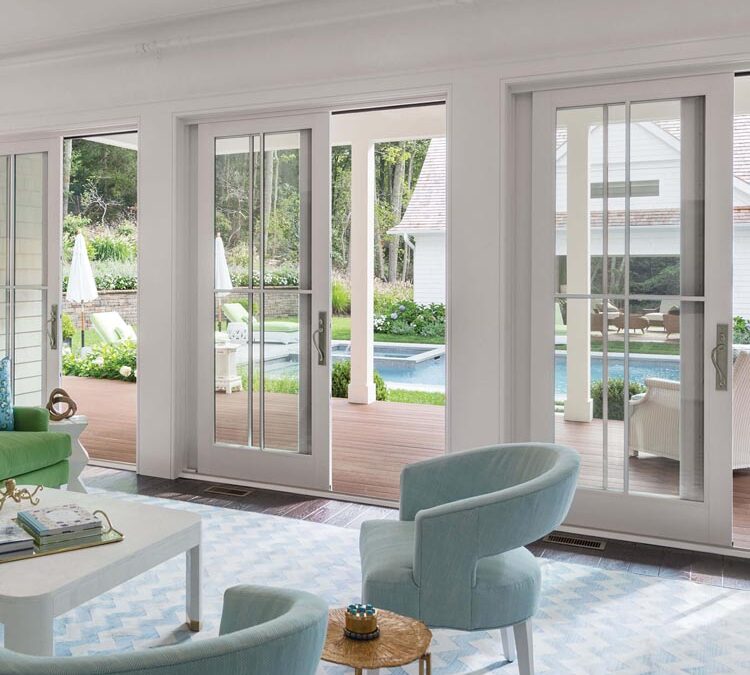
In contrast, exterior door designs often include traditional panels or contemporary minimalistic styles that fit any home facade, including French and sliding doors. Sliding glass doors are particularly coveted for their ability to create an expansive feel inside your home while allowing natural light to flood in.
As reported by HomeAdvisor, many homeowners prefer fiberglass doors for their remarkable balance between style and performance in exterior settings. Conversely, inside the home, MDF continues to stand out as a cost-effective solution without sacrificing elegance or appeal.
Understanding the material differences will guide you towards making the best decision tailored to your needs as you explore how installations come together step-by-step.
The installation process for doors varies widely between interior and exterior types, largely due to their specific functionalities.
Interior door installations can be quite straightforward, often involving the hanging of a prehung door into an existing frame or fitting a slab door into a new structure. Although this task might appear simple, it requires careful attention to detail—particularly when aligning hinges and ensuring that the door swings appropriately. A common pitfall is neglecting to measure the frame accurately, which can lead to misalignment, making adjustments difficult after installation.
Think of such measurements like taking your own height before buying clothes; getting it wrong can leave you with something that’s just not right.
In contrast, exterior door installations introduce more complexity due to additional concerns regarding security and insulation. Every step in this process has been meticulously crafted to ensure your home is well-protected from elements and intrusions. For example, as listed in the table below, you begin by removing the old door and frame, followed by checking and preparing the rough opening.
| Step | Description |
| Step I | Remove the old door and frame |
| Step II | Check and prepare the rough opening |
| Step III | Install the new door frame with weather-resistant materials |
| Step IV | Fit the door and attach hardware |
| Step V | Apply caulking and weatherstripping |
Once the new door frame is in place, it’s crucial to use weather-resistant materials that will withstand time and environmental factors. Proper sealing techniques such as caulking around joint areas not only secure fit but also greatly enhance energy efficiency by preventing drafts. After fitting the door itself and attaching necessary hardware like doorknobs or deadbolts, you seal everything with weather stripping—an often overlooked but vital final touch. This attention to detail ensures longevity while enhancing overall home comfort.
As we compare these installation processes in further detail, it becomes clear that understanding costs associated with each type will elevate your decision-making experience, guiding you towards informed choices about your home improvement projects.
Costs can vary widely based on materials, design, and installation complexities, making it essential to have a clear understanding of what you may need to invest in for both interior and exterior doors. When we talk about interior door costs, they typically range from $50 to $500. This price variance is largely influenced by the materials and design chosen. For instance, if you decide on a basic hollow-core door, you could find yourself only spending around $50. However, if you lean toward solid wood or a custom-designed door, your investment could reach upwards of $500.
On the other hand, exterior doors present a broader cost spectrum. You’re looking at a range from $200 to $3,000, and this substantial difference is determined by the material used and specific features included. Steel and fiberglass doors can generally cost between $250 and $1,500, but if you’re considering high-quality wooden doors or bespoke designs that offer extra weather-resistant treatments or appeal, be prepared to exceed that $3,000 mark.
Clearly defining your budget upfront will not only streamline your selection process but also help avoid surprises down the line.
As you’re navigating through your options, think strategically about your choices. For instance, opting for a combination of steel for security paired with fiberglass for energy efficiency can provide an excellent balance between durability and cost-effectiveness when choosing exterior doors. Similarly, exploring options like Medium Density Fiberboard (MDF) or prehung kits for interior doors can offer stylish results without breaking the bank.
It’s invaluable to remember that while the initial cost may seem like a primary consideration, investing in quality materials can impact long-term savings significantly. A well-crafted door not only enhances curb appeal but also contributes to energy efficiency, thus potentially lowering heating and cooling costs over time.
By carefully weighing costs against benefits, you’ll be prepared to enhance the value and comfort of your home as you proceed in your decision-making journey.
When it comes to door installation, understanding the importance of safety and durability cannot be overstated. This is particularly true for exterior doors, which serve as your first line of defense against the outside world. These doors are often constructed from robust materials such as steel or solid wood to withstand both physical attacks and harsh weather conditions. Modern designs also incorporate advanced locking mechanisms that enhance security, providing peace of mind for homeowners.
It’s fascinating to note that many of these doors not only endure but thrive under pressure. A well-designed exterior door can resist blows and impacts, making it harder for potential intruders to access your home.
Interior doors, while less exposed to the perils that outdoor doors face, still contribute significantly to your home’s safety and atmosphere.
Interior safety might sound like an oxymoron, but in reality, it’s vital for creating a comfortable living environment. While these doors do not have to contend with external threats like wind or rain, opting for solid-core doors can greatly improve sound insulation between rooms—this is particularly beneficial in busy households where noise can become overwhelming. Additionally, solid-core construction adds a layer of durability that helps the door withstand regular wear and tear from daily use. Having a sturdy door ensures that areas like home offices or bedrooms provide a quiet retreat from distractions.
One cannot discuss door durability without considering how weather resistance plays an equally crucial role, especially for exterior installations.
The need for weatherproofing cannot be stressed enough when installing exterior doors. An effective door must not only look great but also guard against the elements. Proper sealing—using methods such as weather stripping and caulking—is essential for preventing drafts and moisture from seeping into your home. This simple act preserves the door’s integrity over time, dramatically extending its lifespan.
But it doesn’t stop there; using high-quality sealants can further fortify these barriers against humidity changes, rain, snow, and even the scorching sun.
Integrating safety and durability features ensures that your doors do their job effectively while also enhancing your space aesthetically. This sets the stage to explore aspects like functionality and style in selecting the perfect addition to your home.
When it comes to choosing a door, one size certainly doesn’t fit all. The perfect door varies depending on individual preferences and specific requirements. For instance, if you live in an area prone to harsh weather, opting for a sturdy exterior door made from materials like steel or fiberglass can offer better insulation and security.
These materials not only withstand the elements but also contribute to overall energy efficiency in your home.
To achieve the ideal blend of security, durability, and elegance, consider customizing your doors. Paramount Windows & Doors specializes in personalized consultations that help combine design preferences with functional needs. Imagine walking up to a beautifully crafted wooden front door that accentuates your home’s facade while ensuring top-notch security and insulation—this is exactly what custom doors can provide.
A satisfied customer enthusiastically shared, “Paramount Windows & Doors helped us select a stunning wooden front door that not only enhances our home’s curb appeal but also ensures top-notch security and insulation.”
It’s this level of customization that transforms typical house entrances into welcoming portals for guests while reflecting your unique style.
As crucial as aesthetics are, practicality cannot be overlooked. When choosing exterior doors, consider climate conditions, usage frequency, and personal security concerns. For example, in hot climates, insulated steel doors with R-values between 5 and 7 offer energy efficiency while being durable enough to resist wear caused by outdoor exposure. If you’re frequently entering and exiting through certain doors, investing in heavy-duty materials requiring minimal maintenance would serve you well.
On the flip side, when considering interior doors, shift your focus towards aesthetics, room function, and privacy needs. Explore various materials like molded composite or solid wood; each offers different aesthetic options and levels of sound insulation. Hollow-core doors may suffice for less-trafficked areas, but solid-core options would enhance privacy for bedrooms.
In navigating these choices, don’t hesitate to reach out for expert advice tailored specifically to your needs. For further assistance, contact Paramount Windows & Doors at 716-982-5579 for a free consultation or estimate. Their knowledge will ensure you find the perfect door that balances beauty with practicality seamlessly.