

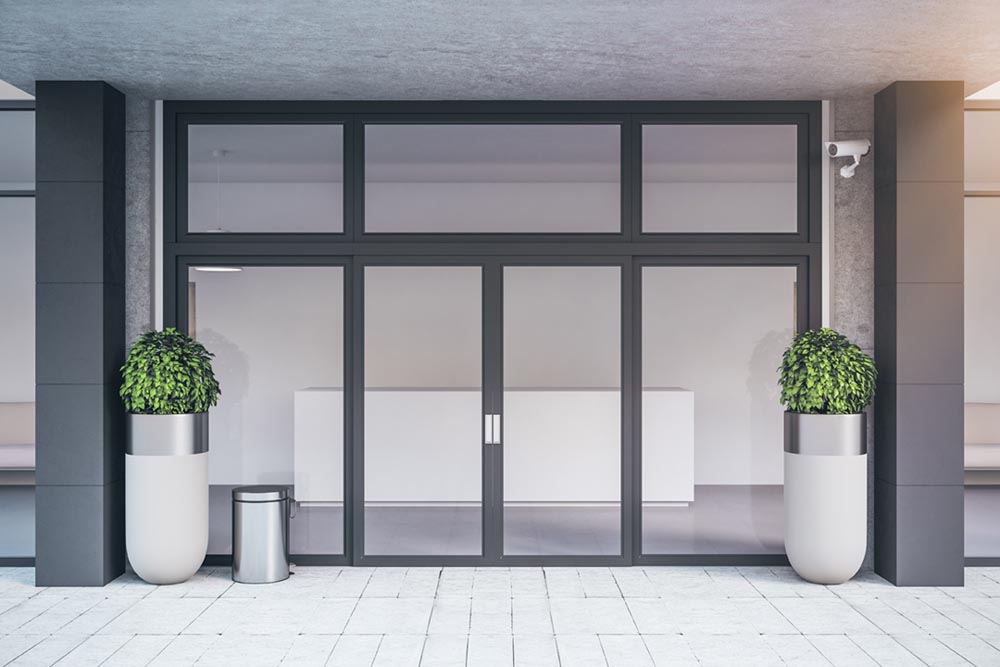
Choosing the right commercial door isn’t just about picking something that looks good or fits your budget. It’s about finding a door that can stand up to daily wear, keep your business secure, and handle whatever weather comes its way—without constant repairs or headaches. In this guide, we’ll break down how to pick doors built to last, covering materials, security features, construction quality, and simple maintenance tips that help your investment pay off in the long run.
When choosing long-lasting commercial doors, prioritize materials like steel or heavy-duty aluminum, known for their durability and resistance to wear. Additionally, consider features such as high-quality hardware, proper insulation, and weather-resistant finishes to enhance door longevity while matching your business’s security and aesthetic needs.
Steel doors dominate the commercial market because of their unmatched strength and lifespan. Unlike other materials, steel resists warping, dents, and heavy impact—qualities that make it ideal for high-traffic or security-sensitive areas. In fact, studies show that with proper upkeep, steel doors can easily last over 30 years, offering both cost-effectiveness and peace of mind.
But keep in mind, steel isn’t invincible—it can rust if moisture gets the upper hand. Regular painting and inspection are key to preventing corrosion.
Aluminum doors provide a great balance between weight and endurance. Their lightness makes installation simpler and reduces wear on hinges and opener mechanisms over time. Additionally, aluminum’s natural corrosion resistance lowers maintenance demands compared to steel.
However, this lighter build comes at the cost of some security strength—aluminum doors may not stand up as well against forced entry attempts in more vulnerable settings.
Fiberglass often flies under the radar but deserves its place as a practical choice, especially in harsh climates. Resistant to dents and scratches, fiberglass holds up well against moisture, salt air, and temperature swings without fading or cracking.
Its insulating properties also help reduce energy costs by maintaining interior temperatures. Though pricier upfront than aluminum or wood, its durability can pay dividends when long-term performance matters most.
Wood doors bring timeless charm to storefronts and offices seeking a warm, inviting aesthetic. That said, wood demands more care—regular sealing or painting is essential to shield it from rot, warping, and insect damage.
Hardwoods like oak or mahogany improve durability but come with increased costs and weight considerations. If your priority leans toward look and feel rather than maximum security or weather resistance, quality wood offers a statement-making option.
Understanding these materials helps you weigh trade-offs carefully. For instance, investing a bit more in steel or fiberglass might save you thousands down the road by avoiding frequent repairs or replacements. Conversely, if you seek an eye-catching facade with manageable upkeep, wood could be your go-to despite its higher care needs.
Once you’ve zeroed in on your ideal door material, the next crucial step involves enhancing security features tailored to your business’s needs while integrating them seamlessly with your chosen door type.
When selecting commercial doors, investing in advanced locking mechanisms is no longer optional—it’s essential. Electronic locks equipped with keypads or biometric scanners such as fingerprint or facial recognition add a level of precision that traditional keys simply can’t match.
These systems do more than just lock a door; they become part of an integrated security network capable of real-time monitoring and access control, reducing risks of unauthorized entry dramatically. At Paramount Windows & Doors, we see how these innovations balance high security with user-friendly features like mobile credential access, allowing authorized personnel swift entry without fumbling for keys.
Yet, the strength of a door itself means little if its frame is vulnerable. Reinforced steel frames offer a foundation that prevents forced breaches and withstands heavy everyday use, especially in busy commercial environments.
It’s important to ensure frames are professionally installed and regularly inspected because even the sturdiest door can fail if mounted improperly or on weak supports. A well-designed frame complements the door’s durability while adding another layer of defense against break-ins.
Glass elements in commercial doors have long been seen as points of weakness that intruders could exploit. However, thanks to advances in laminated and security glass technologies, you can now choose glass doors or inserts that provide transparency without compromising safety.
Laminated glass holds together when shattered, preventing easy access to the interior. For businesses needing heightened protection, bulletproof glass offers peace of mind by resisting ballistic impacts altogether. Balancing visibility and protection has become achievable without sacrificing curb appeal or natural light.
To further enhance your commercial door security beyond materials and locks, consider integrating additional measures: Motion sensor lighting illuminates entry points when movement is detected, deterring potential intruders under the cover of darkness. Security cameras linked to your access control system provide continuous remote monitoring and recorded evidence if needed. Regular audits of your security protocols ensure that all components, from locks to alarms, remain in optimal condition and adapt to evolving threats.
With robust security upgrades integrated into durable construction, it becomes imperative to scrutinize the build quality closely—examining materials, craftsmanship, and installation practices—to guarantee lasting performance under demanding commercial conditions.
Longevity of a commercial door isn’t just a matter of chance; it fundamentally depends on how well the door is built. When selecting doors that will stand up to daily use and environmental challenges, understanding what constitutes solid construction can save you from costly repairs or replacements down the road.
The strength of a door starts with its frame and panels, which rely heavily on welding and assembly quality. Take time to inspect weld seams closely—poorly welded joints often reveal themselves as uneven beads, excessive spatter, or gaps that could allow for structural weakness.
Doors with shoddy welds are prone to cracking or coming apart under stress. Proper assembly also means all parts fit tightly without forcing components together; this ensures that the door withstands operational strain without loosening over time.
If possible, request photos or physical inspection reports showing the welding standards used by the manufacturer. High-quality steel doors typically undergo automated welding processes ensuring consistent and secure joints that can endure heavy use.
Beyond the door structure itself, the quality of hinges and hardware significantly impacts performance and lifespan.
Doors equipped with ball-bearing hinges outperform standard knuckle types by reducing friction as they open and close, leading to smoother operation and less wear on the hinge pins.
This difference becomes especially noticeable on heavier doors or those in high-traffic areas where reliability is non-negotiable.
Moreover, climate plays a major role in hardware longevity—if your door faces moisture or extreme weather, stainless steel hinges resist rust far better than standard steel ones.
Similarly, investing in ANSI/BHMA Grade 1-certified locksets ensures both enhanced security and durability, capable of withstanding hundreds of thousands of cycles without failure.
While metal strength is critical, don’t overlook how your door handles environmental factors through seals and insulation.
According to data from the U.S. Department of Energy, roughly 30% of energy loss in commercial buildings occurs through doors and windows, emphasizing how much impact proper sealing has.
Look for doors fitted with continuous perimeter gaskets and bottom sweeps designed to block air infiltration, dust, moisture, and pests effectively.
Behind the metal shell, many commercial doors feature foam cores —such as polystyrene or polyurethane—that provide thermal resistance as well as structural reinforcement.
Choosing a well-insulated door pays dividends regionally by cutting heating and cooling costs while simultaneously reducing condensation-related damage that can warp materials over time.
When reviewing door specifications, request information on insulation R-values alongside details about seal materials used; this combination directly relates to long-term energy efficiency.
Protecting these vital construction elements with regular upkeep not only preserves your door’s integrity but also maximizes your investment. Next, we explore practical strategies for maintaining your commercial doors against weather challenges and wear over time.
Routine upkeep and adequate weatherproofing are often the unsung heroes in preserving not just the door’s appearance but also its fundamental performance. Without regular attention, even the best-built doors can quickly succumb to the relentless assault of weather, wear, and constant use.
One of the first steps in maintenance is to conduct regular inspections. Checking your doors seasonally aligns perfectly with shifts in weather conditions, allowing you to catch small problems before they escalate. For example, a loose hinge or a slight gap in weather stripping might seem trivial at first, but can lead to drafts, water intrusion, or compromised security if left unattended. These small fixes preserve the door’s integrity, save on repair costs, and prevent energy waste.
Moving parts such as hinges, locks, and latches require special attention. Applying lubrication every six months using high-quality products recommended by manufacturers keeps these components working quietly and efficiently. Imagine a door squeaking loudly or resisting closure—that’s not just annoying; it strains the hardware and ultimately shortens its lifespan. Lubrication is a simple step that can ward off these issues effectively.
Weather stripping plays a pivotal role in weatherproofing. Reliable strips seal gaps around the door frame to block out moisture, dust, and cold air. Durable materials will last longer, maintaining their seal without cracking or peeling. This protection not only guards your door from harsh elements but also contributes directly to lowering heating and cooling expenses by preventing drafts—a win for both your comfort and your utility bill.
Surface treatments vary depending on door material but are universally critical for durability. Wooden doors require periodic sealing or painting to shield against moisture and prevent warping or rot. Metal doors benefit from anti-rust coatings that resist corrosion even in damp or salty environments. Fiberglass doors—prized for their strength—can suffer from UV damage over time unless treated with protective coatings that maintain color vibrance and structural integrity.
While these maintenance practices enhance functionality and durability, there’s also an aesthetic side worth considering since a well-maintained door sends a powerful message about professionalism and care towards visitors and employees alike. Next, we explore how to strike the perfect harmony between practical performance and visual appeal when choosing commercial doors.
Commercial doors don’t just stand as silent sentinels protecting spaces—they also play a starring role in shaping how your business is perceived. The challenge lies in harmonizing practical requirements with appearance, which together define both user experience and long-term value.
Customization unlocks powerful opportunities for businesses looking to express their unique identity right from the threshold. You might think immediately of glass doors etched subtly with logos or frosted patterns—these instantly elevate a storefront’s style by inviting light while reinforcing branding. But don’t overlook metal doors; their capacity for tailored paint finishes allows companies to extend brand colors onto a robust, secure surface that withstands the daily grind without losing charm.
When selecting customization details, it’s wise to consider the architecture of the entire building. A modern minimalist facade deserves sleek, understated hardware complemented by clean door lines, whereas an older brick structure may call for warmer tones and classic designs. Ensuring your door blends rather than clashes avoids that jarring “afterthought” impression and instead broadcasts cohesion—something customers notice subconsciously.
Here lies the heart of the debate: Should you prioritize security, insulation, and durability at the potential expense of design? Or is it worth compromising on features for an eye-catching entrance? The truth is neither extreme serves well in isolation.
A door boasting stunning aesthetics but insufficient insulation will drive up energy costs and invite drafts, undermining comfort and operational efficiency. Likewise, great security that results in a cold, unwelcoming gateway might repel visitors or clients before they even step inside.
Yet focusing solely on functionality risks sterile environments devoid of personality or warmth. That cold first impression can damage customer relationships before conversations begin.
Striking the proper balance means integrating materials and technology that meet specifications and elevate design sensibilities. For example, laminated insulated glass embedded with branding decals provides natural light while boosting energy performance and safety features—a convergence of form and function that just makes sense.
Beyond aesthetics, functional choices have practical impacts: steel doors rated for Grade 1 security mean robust protection against forced entry while lasting 25-30 years with minimal upkeep. Aluminum alternatives offer lighter weight and superior corrosion resistance but may sacrifice some strength. Knowing these trade-offs empowers informed decisions tailored precisely to your business environment.
Finally, consider that layers of security don’t stop at material selection—locks range from traditional mechanical types to electronic keypad access or fob scanners that heighten security without detracting from sleek appearances. Even accessories like bumpers protect walls without marring surface beauty.
Balancing function and form demands not only choosing quality products but also collaborating with experienced professionals who grasp how door design influences both operational needs and brand presence. Paramount Windows & Doors specializes in matching commercial doors to business goals throughout Oklahoma City, Tulsa, and surrounding areas through tailored consultation—because your door should do more than open; it should speak volumes about your business too.
Understanding these factors helps set the stage for evaluating how durability impacts cost-effectiveness over time. The next discussion focuses on balancing lifespan with budget considerations to maximize value from your commercial door investment.
Investing in a commercial door is not just about picking something that looks good today—it’s about making a decision that will serve your business reliably for years to come. While a solid door might feel expensive initially, the lasting benefits often outweigh that upfront cost. For instance, steel doors, though typically priced higher at the start, demand very little maintenance and rarely need replacement, which means you save money—and hassle—down the line.
Research from Facilities Management Journal points out a key insight: spending more on premium doors can reduce your maintenance and replacement expenses by as much as 30% across ten years. That’s a significant saving that often surprises business owners focused purely on initial price tags. When assessing costs, it’s essential to think beyond the sticker price and include factors like durability, weather resistance, and security features.
So when budgeting for your commercial doors, consider total cost of ownership—not just what you pay at installation. This perspective encourages choosing materials like steel or fiberglass that balance strength with low upkeep requirements. Wood doors can also be long-lasting if maintained properly, but their upkeep costs and vulnerability to weather conditions should factor into decision-making. Conversely, while aluminum doors may cost less upfront, they might wear out faster or require more frequent adjustments or replacements.
Another important aspect often overlooked is the warranty offered by manufacturers. A longer warranty period isn’t just a nice bonus; it reflects confidence by the maker in how well their door will perform over time. Look carefully at warranty terms—doors with comprehensive coverage mean fewer worries about early defects or failures.
Your choice directly impacts not only expenses but also the door’s performance in resisting wear from weather and usage. Doors exposed to harsh elements benefit greatly from corrosion-resistant finishes and stronger frames—the kind of smart design considerations that Paramount Windows & Doors specializes in recommending for commercial clients.
Our thought process should always align long-term cost efficiency with durability.
If you’re considering commercial door installation or door replacement services in Elma, NY, choosing the right materials and security features is only part of the equation — professional installation makes all the difference. At Paramount Windows & Doors, we provide expert commercial and residential door installation, along with commercial window installation and window replacement services tailored to Western New York’s climate. Whether you’re upgrading for security, energy efficiency, or long-term durability, our team is here to help. Contact Paramount Windows & Doors at 716-982-5579 today to schedule your consultation and get started on a high-performance solution built to last.