

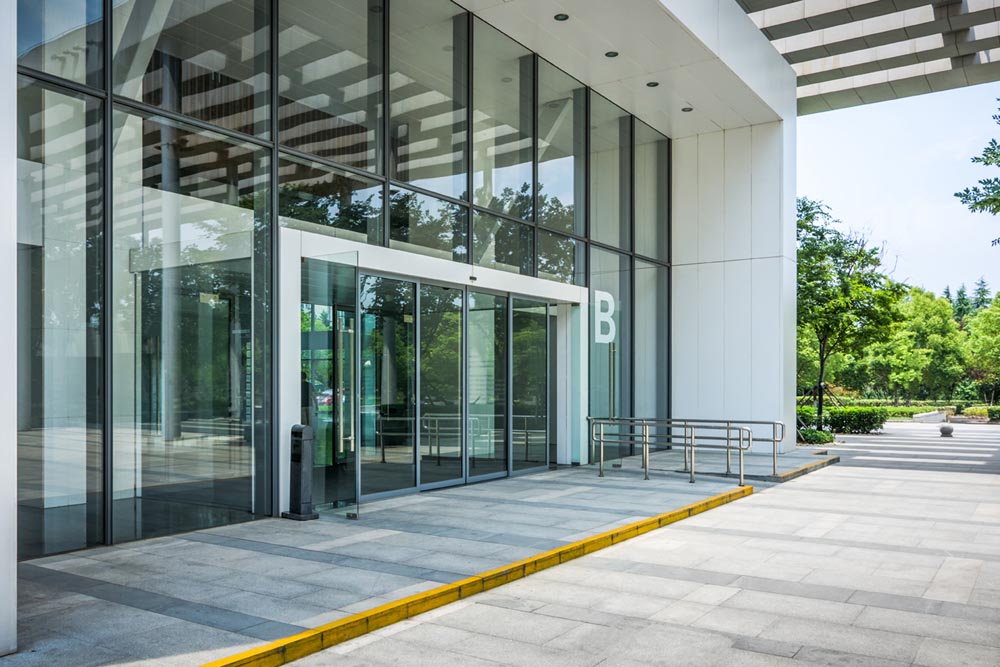
Commercial doors might not be the first thing you think about when imagining a building’s design, but they play a surprisingly big role. They welcome visitors, protect assets, and set the tone for what’s inside, all while standing up to daily use and weather. In 2025, these doors are smarter and more stylish than ever before, blending new materials with cutting-edge security features. Let’s take a closer look at how innovations in design and technology are changing commercial door installations for the better.
Modern design trends in commercial door installations for 2025 emphasize sleek, minimalist aesthetics featuring smooth lines and large glass panels to maximize natural light. Materials like high-performance aluminum, reinforced steel, and customizable finishes, including anodized aluminum, wood veneers, and powder coatings, are popular for their durability, energy efficiency, and ability to enhance brand identity through personalized architectural statements.
In 2025, commercial door design is no longer just about getting from point A to B, it’s become an integral part of a building’s identity and efficiency. The emphasis on sleek, minimalist elegance presents itself in doors that feature clean, straight lines paired with understated hardware. This simplicity isn’t merely aesthetic; it provides a sense of calm and order that complements the varied architectural trends we see today, from industrial lofts to cutting-edge office complexes.
Minimalism strips away unnecessary flourishes, leaving functional beauty that resonates across industries. For a business owner or property manager, this means doors that not only look professional but also require less maintenance, a win-win for ongoing operational costs. The subtlety in design also allows these doors to blend into virtually any facade, making them versatile choices when updating older buildings or designing new structures with future-proof appeal.
Moving beyond form, these doors often incorporate thoughtful features such as hidden hinges and flush-mounted handles that preserve those crisp lines while improving ease of use and safety. Smooth mechanical operation combined with durable finishes ensures these minimalist designs retain their fresh appearance despite heavy daily traffic.
It’s interesting to note that around 40% of commercial doors installed this year embrace this minimalist look, reflecting a broader shift towards prioritizing user experience and seamless integration over visual complexity.
Beyond the shape and silhouette, the materials chosen profoundly impact both aesthetics and utility, a key topic as we explore what lies beneath the surface of these modern designs.
Large glass panels have become a hallmark in contemporary commercial doors, valued for their ability to flood interior spaces with natural light. Imagine stepping into an office lobby bathed in sunlight streaming through expansive glass doors, immediately you feel welcomed and alert. This design choice is particularly advantageous in retail environments where transparency literally showcases merchandise to those passing by outside.
But the benefits extend far beyond ambiance. Glass doors facilitate connection between indoor and outdoor spaces, fostering open environments that can boost mood and collaboration when applied inside office layouts.
Industry studies back this up: buildings leveraging natural light can see energy consumption drop by up to 21%, thanks to reduced dependence on artificial lighting during daylight hours. Simultaneously, workplaces exposed to daylight report an 18% increase in employee productivity, an impressive return on investment by simply choosing doors wisely.
Modern glass options further enhance performance through technologies like Low-E coatings, which control heat transfer, keeping interiors comfortable year-round without sacrificing clarity or style. Coupled with tightly sealed frames and advanced weather stripping, these doors don’t just look good; they actively promote energy efficiency policies expected in commercial developments today.
After understanding how design elements like minimalism and natural light shape modern commercial doors, it’s important to examine the materials making these innovations possible, and why they matter so much.
Metal doors, especially steel and aluminum, are the backbone of commercial security and durability. Steel, with its impressive strength, offers protection that few other materials can match. This is why warehouses and industrial facilities often rely on it: it’s tough enough to withstand physical impacts and attempts at forced entry while requiring minimal upkeep beyond routine anti-rust coatings. Aluminum, by contrast, is a lightweight champion highly prized in office buildings and retail spaces where corrosion resistance and ease of use are paramount. Its sleek surface complements modern aesthetics without sacrificing longevity.
The key benefit metal doors provide isn’t just brute strength but also their adaptability. Modern manufacturing allows custom finishes, from smooth contemporary coatings to stylish wood-grain replicas, so function does not come at the cost of visual appeal. Recognizing this blend of form and function can help you optimize both security requirements and building identity when choosing metal doors.
Moving from cold metal to warm textures, wood doors bring a timeless charm paired with practical insulation benefits.
Wood remains unmatched for adding natural warmth to commercial spaces like hotels or executive suites, where first impressions matter deeply. Usual concerns about wear or weathering have been addressed through advanced treatments that protect against moisture, warping, and UV damage. These innovations make wood doors remarkably resilient, combining classic sophistication with modern demands for longevity.
Besides aesthetics, wood’s low thermal conductivity means it naturally insulates better than metals, a factor that can reduce heating and cooling costs significantly in climate-sensitive environments. For businesses prioritizing sustainability, responsibly sourced hardwoods offer an eco-friendly choice with verifiable renewability.
Complementing metals and wood, glass doors open up new possibilities for transparency and light that elevate a building’s atmosphere.
Glass doors are increasingly favored for their ability to bathe interiors in natural light while maintaining a polished appearance ideal for showrooms, lobbies, or upscale retail stores. To ensure safety alongside style, tempered or laminated glass options reinforce impact resistance without compromising visibility.
Integrating insulated glass units further enhances energy efficiency by minimizing heat transfer, which is critical in regions with extreme temperatures. This allows businesses to reduce utility bills effectively while still benefiting from expansive exterior views that foster an inviting ambiance.
Furthermore, large-format sliding or pivot glass doors maximize space utility without sacrificing seamless indoor-outdoor flow. When paired with sturdy frames made from fiberglass or aluminum composites, glass-door systems become a design statement as well as a functional asset.
Understanding these material attributes lays the groundwork not only for selecting appropriate doors but also for embracing emerging smart technologies that amplify their capabilities.
Smart technology has revolutionized commercial doors, bringing in higher levels of automation and control that go far beyond simple key insertion. Today’s doors are embedded with capabilities that combine mechanical strength with digital intelligence to meet the evolving demands of security, efficiency, and user experience. This fusion is not just a novelty but a practical solution for businesses seeking both protection and convenience.
One of the foremost advancements is biometric access control, systems that verify identity using fingerprints, facial recognition, or even iris scans. Unlike traditional keys or cards that can be lost or duplicated, biometrics tie entry to an individual’s unique physical characteristics. This precision is critical in settings such as data centers, healthcare facilities, or financial institutions, where unauthorized access carries severe consequences. Implementing biometrics reduces reliance on shared credentials and raises the bar for intrusion prevention.
The adoption of biometric systems also embodies a layered approach to security. Many commercial locks now support multi-factor authentication, where users may combine a fingerprint scan with a PIN code or an RFID card for added verification. This significantly decreases the risk of breaches while maintaining smooth access for authorized personnel.
The global health challenges brought by the pandemic have accelerated the demand for touchless solutions. Doors equipped with motion sensors, proximity readers, or Bluetooth-enabled smartphones allow hands-free access, a feature that boosts hygiene and convenience simultaneously. These systems detect when an authorized individual approaches and unlock automatically, removing the need to physically touch handles or keypads.
This touchless functionality not only reassures building occupants about cleanliness but also enhances traffic flow efficiency in busy environments such as hospitals or corporate offices. Our clients at Paramount Windows & Doors have reported an increase in client satisfaction after installing these advanced systems, noting both convenience and enhanced safety as major benefits.
Customization options also play a vital role, as one size does not fit all.
Commercial users seek door lock solutions tailored to their specific operational needs. Fortunately, smart locks today offer compatibility with various commercial door preps, cylindrical, mortise, and deadbolt, and integrate seamlessly with existing master key systems to avoid disruptive overhauls. Power options range from low-voltage wiring to long-life batteries with low-battery alerts that ensure continuous operation without inconvenient downtime.
Systems often link wirelessly to centralized cloud platforms or building automation software. This connectivity allows administrators to remotely add or revoke access credentials in real time without physically rekeying locks, a major advantage for facilities with high employee turnover or multiple locations. Audit trails meticulously record every entry and exit event, aiding compliance with safety regulations while providing transparent oversight.
When considering a commercial door installation in 2025, working with specialists ensures access to top-tier smart lock brands known for durability and encryption standards. Incorporating smart technology elevates premises protection while enhancing operational control and occupant experience, a strategic investment for forward-thinking businesses.
With innovation setting new benchmarks in functionality and security, the focus naturally extends toward how these features can be adapted to meet diverse requirements across industries and settings.
Commercial doors in 2025 are no longer “one size fits all.” Instead, they offer tailored solutions that blend seamlessly with a building’s architecture while catering to specific functional needs. This shift toward customization means you can specify everything from size and material to hardware style and even integrated technology. In fact, recent surveys show that around 68% of commercial doors now come with customizable design options, reflecting how businesses want their entrances to be extensions of their brand identity and operational requirements.
Take finishing touches like matte or glossy textures, color choices that range from classic neutrals to vivid custom hues, or glass panel options including frosted, tinted, or smart glass that adjusts opacity on demand. These details might seem small, but they play an outsized role in setting the tone for first impressions and enhancing energy efficiency by controlling light and heat transfer.
When you select a door with these customization options, whether it’s a sleek steel door for maximum security or a fiberglass model mimicking natural wood grain to combine warmth with durability, you’re ensuring your commercial entrance does more than just open and close. It becomes part of the building’s story, telling visitors about your attention to quality, sustainability, and innovation.
The difference this makes is particularly visible in sectors like retail and office environments, where 35% and 28% of commercial door installations, respectively, emphasize tailored designs. Imagine a boutique store opting for sliding glass doors with embedded LED lighting that not only brighten up the façade after dark but also increase foot traffic by an impressive 45%, as reported by one industry case study.
Meanwhile, office buildings benefit from doors designed for quiet operation and space-saving configurations. Sliding or automatic swinging doors offer controlled access without disrupting workflow or aesthetics, essential when every square foot matters and distractions must be minimized.
Customization also opens the door to meeting diverse practical needs across industries.
From healthcare facilities requiring germ-resistant finishes and touchless entry systems to industrial warehouses demanding reinforced steel for security and ruggedness, today’s commercial doors adapt fluidly to their environments. This flexibility ensures long-term durability while helping organizations stay compliant with safety codes and accessibility standards, all customizable during ordering rather than retrofitted later at higher costs.
The lead time for these personalized doors has also decreased notably; the average waiting period is now down to about 4.2 weeks, thanks to improved modular manufacturing processes allowing quicker on-site adjustments.
Investing in customization usually adds about an 18% premium over standard doors. Yet this cost is often offset by gains in energy efficiency, such as insulated panels reducing heating expenses, and improved security through integrated locking systems tailored specifically for the property’s needs.
Ultimately, companies that prioritize custom commercial door solutions are rewarded not only with striking visual appeal but also operational advantages ranging from better safety to overall user satisfaction scores averaging 8.7 out of 10.
This surge in tailored innovations coincides with an increasing focus on environmental responsibility, where materials and design choices not only elevate appearance but also reduce ecological impact, the natural next step in advancing modern commercial entryways.
Sustainability in commercial door design isn’t just a trend, it’s becoming a core priority for businesses aiming to reduce their environmental impact while enhancing building performance. This means that more than ever, every choice in material and technology matters, from what doors are made of to how they insulate and protect your space.
Take recycled materials, for example. Instead of relying on freshly mined steel or harvested timber, manufacturers now turn to recycled aluminum and steel that maintain all the strength and durability you’d expect but come with a significantly lower carbon footprint. These metals don’t just save energy in production, they keep waste out of landfills. Similarly, sustainable woods like bamboo or FSC-certified lumber offer rapid renewability combined with robustness, making them a smart ecological choice without sacrificing quality or style.
When choosing doors for your commercial project, look closely at these materials. Doors crafted from composites that blend recycled plastics with plant-based resins provide additional benefits: they’re often lighter, resist warping, and are biodegradable or recyclable after use. These innovations mean that your door can support sustainability throughout its entire lifecycle, from manufacturing through disposal.
It’s not only about what the door is made of; how it performs impacts sustainability too. Utilizing energy-efficient insulated cores, such as those filled with polyurethane or mineral compounds, drastically reduces heating and cooling demands within commercial buildings. Studies show that incorporating such doors can lower energy bills by up to 30% annually, a substantial saving that benefits both the environment and your bottom line.
The reduction in heat transfer achieved by these insulated doors works hand-in-hand with low-emissivity (Low-E) glass, which is designed to reflect infrared heat while allowing visible light through. This clever balance improves climate control inside buildings all year round, keeping interiors cooler in summer and warmer in winter without excessive energy consumption.
While these cutting-edge materials and technologies deliver impressive environmental benefits, they also need to align with recognized standards to be effective in green building practices.
One of the major motivators behind adopting sustainable doors is their ability to contribute points towards LEED certification, widely regarded as the gold standard in environmentally responsible construction. LEED rewards projects that integrate energy-saving features and materials sourced sustainably, including commercial door installations that meet stringent performance criteria.
Incorporating certified sustainable doors helps businesses present a clear commitment to eco-friendly operations, an increasingly important factor in client relations, tenant attraction, and corporate social responsibility reporting. Furthermore, adherence to such standards often results in better indoor air quality due to low-VOC (volatile organic compound) finishes and coatings used on modern door surfaces, which minimize harmful chemical emissions.
For those managing building portfolios, it’s wise to work closely with suppliers experienced in sustainable door products who understand compliance requirements related not only to LEED but also other green building certifications such as WELL or BREEAM. Doing so ensures every installed door supports your overarching sustainability goals without surprises later.
Eco-friendly options ensure long-term benefits, but durability and maintenance are equally important factors to consider when selecting commercial doors, topics we’ll explore next in depth.
Durability isn’t just about how long a door lasts; it’s also about how well it withstands daily wear, weather conditions, and security demands without constant repairs or replacements. In 2025, commercial doors must meet these high expectations while minimizing downtime and upkeep costs for businesses.
This means selecting materials engineered specifically for strength and resilience, such as galvanized steel and reinforced aluminum, which resist rust, corrosion, and the harshest environmental elements. These metals don’t just shield your building against intruders; they stand firm against time and weather.
Yet durability alone isn’t enough. The real game changer is how manageable these doors are when it comes to maintenance. The smartest choice incorporates features like anti-fingerprint coatings that keep surfaces looking pristine with minimal cleaning. Water-repellent finishes prevent moisture buildup that can otherwise degrade door surfaces quickly, especially in humid or rainy climates.
Regular care becomes easier when your door fights grime and water for you, allowing busy property managers to focus on more urgent priorities.
Establishing a simple cleaning routine, wiping down glass panels and metal frames weekly, and scheduling professional inspections annually can stop small issues from turning into costly repairs. Professionals will check critical components like hinges, locking mechanisms, sensors, and weather stripping to ensure everything functions smoothly.
These periodic tune-ups extend door life and maintain peak performance without interrupting daily operations.
One client shared how switching to aluminum doors with powder-coated finishes dramatically cut maintenance efforts:
“We used to spend hours repainting and fixing dents every year. Since installing the new doors, we’ve redirected that time and budget toward expanding our team and improving customer service.”
Their experience highlights not only cost savings but also operational benefits unlocked by durable, low-maintenance choices.
Moreover, smart design trends like self-lubricating hinges have emerged as valuable maintenance savers, reducing friction-induced wear by nearly half compared to traditional hinges in high-traffic settings. These quiet-running components prevent annoying squeaks while slashing repair frequency. Such innovations showcase how durability intersects with convenience to deliver seamless user experiences over time.
Whether you need commercial window installation, residential door installation, or vinyl window replacement services, investing in durable, energy-efficient products is essential for long-term performance, especially in the changing climate of Elma, NY. At Paramount Windows & Doors, our team specializes in window replacement services, door replacement services, and fully customized solutions for homes and businesses. Contact us today at (716) 982-5579 to schedule a free consultation and upgrade your property with expertly installed doors and windows built to last.