

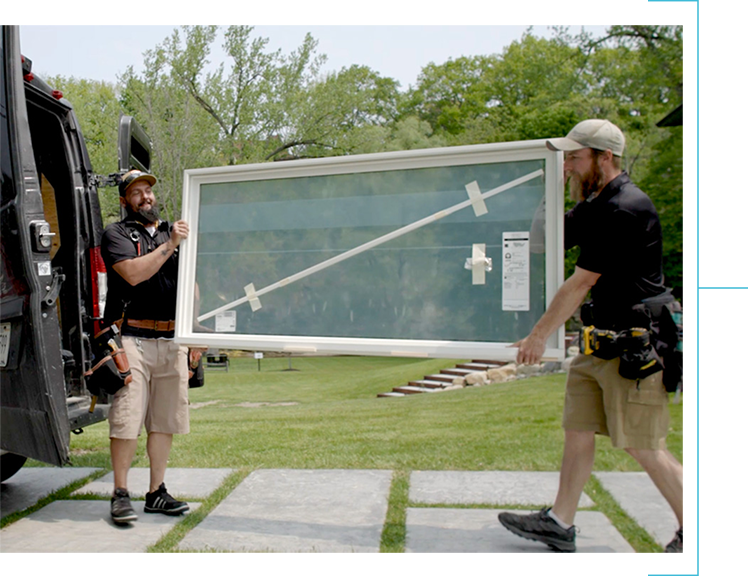
Choosing the right windows for a commercial building isn’t just about looks; it’s one of the smartest moves you can make to cut energy costs and create a more comfortable space. In 2026, energy-efficient windows have come a long way, offering advanced features that help keep buildings cool in summer and warm in winter without driving up utility bills. Whether you’re upgrading an office, school, or retail space, understanding the best window options now means making choices that save money and support greener buildings for years to come.
The starting point is always the energy performance ratings that come from trusted certifications like ENERGY STAR. In 2026, more than 100 manufacturers carry this certification, which means their products have passed rigorous tests measuring how well they insulate and reduce heat transfer.
Choosing an ENERGY STAR-certified window isn’t just about meeting a label requirement; it’s about ensuring your building will use less energy for heating and cooling, ultimately lowering operational costs while supporting sustainability goals.
But energy ratings alone don’t paint the full picture. The materials used in window frames make a significant difference. For commercial applications, aluminum frames with thermal breaks are popular because they combine strength with improved insulation. Thermal breaks interrupt heat flow through the metal, keeping interiors comfortable year-round. Composite frames also offer excellent thermal resistance and durability.
These materials stand up well to heavy use and harsh weather, protecting your investment over time.
Alongside frames, glazing technology plays a central role in optimizing energy efficiency.
The magic happens with double or triple glazing, where several layers of glass create insulating air spaces that dramatically reduce heat loss in winter and heat gain in summer.
Add to that the effect of Low-E coatings, microscopic metal layers on the glass surfaces, that reflect infrared heat while allowing natural light to brighten interiors. This thoughtful balance between insulation and daylight helps businesses reduce their reliance on artificial lighting and climate control systems.
Here’s how some key factors break down across top-performing commercial windows in 2026:
| Feature | Typical Performance Range | Why It Matters |
| U-Factor | 0.18 – 0.30 | Lower values mean better insulation |
| Solar Heat Gain Coefficient (SHGC) | 0.20 – 0.40 | Controls solar heat entering the building |
| Visible Transmittance | 0.40 – 0.65 | Amount of natural light allowed inside |
| Frame Materials | Aluminum w/ thermal breaks, Composite, Fiberglass | Better insulation and durability |
Balancing these features depends on your building’s location and usage.
For instance, buildings facing intense sun benefit from lower SHGC to minimize cooling loads, while those in colder climates prioritize low U-factors to conserve heat. Paramount Windows & Doors understands these nuances deeply and partners with Western New York’s commercial clients to tailor solutions accordingly.
Beyond technical specs, practical considerations like brand reputation and product range matter too.
Selecting high-quality windows also enhances curb appeal and security, two vital aspects businesses cannot overlook.
Quality craftsmanship ensures the windows hold up visually through years of use while providing stable locking mechanisms that protect assets inside.
Exploring the variety of materials and designs comes next to truly understand what makes each energy-efficient window unique, allowing you to pinpoint precisely what will serve your building best.
When it comes to energy-efficient windows, not all are created equal. The industry in 2026 offers several advanced options, each designed to improve thermal performance and reduce energy costs in commercial buildings. The backbone of most efficient systems begins with double-glazed windows. These consist of two panes of glass separated by a space filled with air or an inert gas like argon. This setup dramatically reduces heat transfer compared to single-pane windows because that space acts as an insulating barrier. It’s a simple concept but powerful in practice, blocking unwanted heat from escaping during winter or entering during summer.
Building on that principle, triple-glazed windows take insulation further by adding a third pane and another insulating space. This extra layer can cut down energy loss by nearly half when compared to single glazing, allowing for better temperature regulation inside your building year-round. Triple glazing is especially valuable in regions experiencing extreme temperature variations or where strict energy codes demand higher performance. Keep in mind that this comes at a somewhat higher upfront cost, but the long-term savings on heating and cooling often justify the investment.
Beyond just the number of panes, one of the most significant advancements is the application of Low-E (low emissivity) coatings. These coatings are microscopically thin metal or metallic oxide layers applied to the glass surface. Their job is sophisticated yet elegantly straightforward: reflect infrared light back into the room during cold months and keep radiant heat from entering during warm months. The result is a window that helps maintain consistent indoor temperatures with far less reliance on HVAC systems.
Consider how Marvin’s thermal glass units equipped with Low-E coatings have delivered measurable reductions in energy bills across numerous commercial settings in Western New York, a testimony to how such technology pays dividends in real business environments.
As you examine these window types, it’s important to appreciate how they combine different technologies, glazing layers, gas fills, and special coatings to achieve optimal performance. The interplay between U-factor (how well a window resists heat flow), Solar Heat Gain Coefficient (SHGC, which measures how much solar radiation passes through), and Visible Transmittance (VT, representing natural light penetration) ultimately shapes your building’s comfort and operational costs.
Here’s a snapshot comparison that highlights these critical metrics for popular energy-efficient window options available today:
| Window Type | U-Factor (BTU/hr·ft²·°F) | SHGC | VT | Typical Embodied Carbon (kg CO₂e/m²) |
| Double-Glazed Low-E | 0.25 – 0.30 | 0.25 – 0.40 | 0.50 – 0.60 | 15 – 20 |
| Triple-Glazed Low-E | 0.15 – 0.20 | 0.20 – 0.35 | 0.45 – 0.55 | 25 – 30 |
| Electrochromic (Smart) | 0.20 – 0.30 | Variable | Variable | 30 – 35 |
These numbers aren’t just dry statistics; they indicate significant differences in insulation and light management, which directly impact energy use and occupant comfort. For example, selecting triple-glazed units might make sense in an office building that prioritizes maximum thermal comfort while minimizing heating and cooling loads.
When choosing energy-efficient windows for your commercial project, don’t just look at one specification alone: consider how each type fits your climate zone, building design, daylight needs, and budgetary constraints.
Understanding these window types sets a solid foundation; next comes tailoring those choices specifically to your commercial building needs by factoring in frame materials and installation details for optimal results.
One cannot overstate the practical advantages that energy-efficient windows bring to commercial properties. When a building is outfitted with thoughtfully designed windows, such as those available through trusted partners at Paramount Windows & Doors, the difference isn’t just visible; it profoundly impacts daily operations and costs. For example, these windows can reduce heating and cooling expenses by as much as 30%, a saving that adds up significantly across large office complexes, schools, or retail spaces.
This reduction in energy bills primarily comes from two key factors: superior insulation and optimized solar heat gain control. Windows with low U-factors (as low as 0.20 BTU/hr·ft²·°F) and carefully calibrated Solar Heat Gain Coefficients (SHGC values between 0.20 and 0.35) prevent unwanted heat loss in winter and minimize overheating during summer.
Such precision ensures HVAC systems run less frequently, leading to lower utility bills and reduced wear on equipment.
Alongside energy savings, these windows create a noticeably more comfortable workspace environment.
A well-insulated window keeps indoor temperatures stable, eliminating the nuisance of hot spots near windows or unexpected cold drafts that distract employees and visitors alike.
The benefit extends beyond mere comfort; maintaining consistent temperatures contributes to enhanced productivity by helping occupants focus without disruptions caused by fluctuating indoor climate conditions.
Additionally, many commercial buildings exist in noisy urban settings where external sounds are glaring interruptions.
High-performance windows featuring multiple panes, inert gas fills, and quality frames act as buffers against city noise pollution. This level of soundproofing is critical in places like offices, conference rooms, or classrooms where concentration and communication matter most.
And while we often think about temperature and sound, there is another dimension frequently overlooked, the health aspect.
By improving airtightness, energy-efficient windows reduce infiltration of dust, allergens, and outdoor pollutants into the building interior. They also regulate airflow better, minimizing drafts that can exacerbate respiratory issues or cause discomfort.
As a result, workers enjoy improved air quality, which translates into fewer sick days and better overall well-being, a strong selling point for any employer seeking sustainable and healthy workplace environments.
| Benefit | Description | Impact on Commercial Spaces |
| Energy Savings | Lower heating/cooling demand due to insulation | Reduced operating costs; budget predictability |
| Thermal Comfort | Consistent indoor temperature; elimination of drafts | Increased occupant satisfaction and productivity |
| Noise Reduction | Soundproofing via multi-pane glazing | Better focus; quieter work/learning environments |
| Health Improvements | Reduced drafts and pollutant ingress | Enhanced indoor air quality; fewer sick days |
Paramount Windows & Doors understands these multifaceted benefits deeply, offering solutions crafted to meet Western New York’s commercial demands with ENERGY STAR-certified products from trusted manufacturers.
Choosing the right manufacturer is crucial because the range of certified options varies widely in performance and durability. Paramount collaborates closely with architects and builders to ensure every installation meets design expectations as well as long-term functional standards, delivering light-filled spaces that genuinely support energy conservation goals while enhancing curb appeal.
To fully harness these benefits, businesses should take advantage of free evaluations offered by Paramount Windows & Doors at our Elma, NY location. These assessments guide owners toward window selections tailored precisely to their building type and climate needs, helping them achieve up to a 20% reduction in annual HVAC energy use, according to independent laboratory studies.
Understanding these comprehensive advantages sets the stage for considering which brands lead the market in delivering certified energy-efficient solutions designed for commercial success and sustainability.
Installing energy-efficient windows isn’t just about picking the right glass or frame; it’s about making every step of the installation process as environmentally conscious and efficient as possible.
When you think about it, even the best window can underperform if it’s not installed correctly with sustainability in mind. That starts with proper measurement. Taking precise measurements isn’t just a matter of convenience; it’s fundamental to avoiding air leaks that lead to wasted energy. Every gap or misfit is an invitation for heat loss or gain, forcing your HVAC system to work harder than necessary. Getting this step right means fewer drafts, better insulation, and a tangible reduction in energy bills.
After measurements come the materials used during installation, especially sealants. Many traditional sealants emit volatile organic compounds (VOCs) that harm indoor air quality and contribute to environmental pollution. Choosing low-VOC or zero-VOC sealants significantly reduces this impact. These eco-friendly options ensure that while your building keeps the outside elements at bay, it does so without releasing harmful chemicals into your living or working space.
Paramount Windows, for example, strongly advocates for such sustainable choices in every project because cleaner indoor air and a healthier planet are non-negotiable priorities.
Next comes thermal insulation barriers, another critical component often overlooked in window installation. Adding these barriers around window frames acts as an additional line of defense against temperature fluctuations, boosting overall thermal performance. Imagine your window frame as a bridge; without proper insulation, it becomes a weak link where heat can escape or infiltrate.
This simple yet effective measure complements the advanced technologies within modern windows, allowing them to perform at their fullest potential year-round.
Beyond just the new installation, how you handle old windows dramatically affects sustainability. Rather than sending them straight to a landfill, recycling old windows conserves valuable materials and reduces waste.
Materials like aluminum, glass, and certain polymers can be reclaimed and reprocessed for future use. This practice aligns perfectly with circular economy principles and closes the loop on construction waste.
Additionally, consider partnering with installers who understand these sustainable practices deeply, they bring expertise that ensures your investment truly pays off over time through reduced maintenance costs and higher energy savings.
Understanding the nuances of installation is essential, but knowing how to choose the ideal windows tailored to your project’s specific needs will maximize both performance and sustainability. These foundational choices pave the way toward more informed decisions regarding window selection and design integration.
Every commercial project presents its own set of challenges and goals, and selecting windows isn’t just a matter of picking a style or brand. It starts with understanding the unique environmental conditions your building faces. Climate plays a major role; windows designed for cold climates, like triple-glazed models with low U-factors around 0.18, provide excellent insulation to keep heating costs down. Meanwhile, in warmer areas, windows with lower Solar Heat Gain Coefficients (SHGC) help reduce cooling loads by limiting unwanted solar heat.
But climate isn’t the only factor at play. The orientation of your building’s facades significantly influences window performance requirements. South-facing windows receive more sunlight throughout the day, so selecting products with a balanced visible transmittance (VT), typically between 0.40 and 0.70, can maximize natural daylight while controlling glare and heat gain. Conversely, windows on the north side may prioritize insulation over solar gain since they get less direct sun but face greater exposure to wind and cold.
Paramount Windows & Doors leverages over a decade of expertise in matching these diverse needs, partnering closely with architects and builders to ensure every window specification aligns with project goals. We understand that durability, security, and curb appeal go hand-in-hand with energy efficiency.
| Selection Factor | Considerations |
| Climate | Choose glazing and frame types tailored to temperature extremes |
| Building Orientation | Balance daylight, heat gain, and insulation needs per facade |
| Architectural Style | Match window design to aesthetic requirements without trade-offs |
| Energy Performance Specs | Prioritize U-Factor, SHGC, VT, and air leakage values |
Before making any decisions, it’s wise to obtain a free evaluation from trusted providers at Paramount Windows & Doors. Our team offers detailed estimates and product recommendations designed to maximize both energy savings and lasting performance for your commercial property.
With the right windows selected thoughtfully for your environment and design, you’re well-positioned to capitalize on sustainable benefits while enhancing your building’s comfort and value.
Choosing energy-efficient windows is one of the most effective ways to improve long-term performance, comfort, and operating costs for commercial buildings. Whether you’re planning a full commercial window installation, upgrading aging systems, or exploring window replacement services in Western New York, working with an experienced local installer makes all the difference. Paramount Windows & Doors specializes in commercial window installation in Elma, NY, delivering ENERGY STAR–certified solutions designed for durability, efficiency, and lasting value. To find the right windows for your building, schedule a free consultation with our team today and take the first step toward lower energy costs and a more sustainable commercial space.

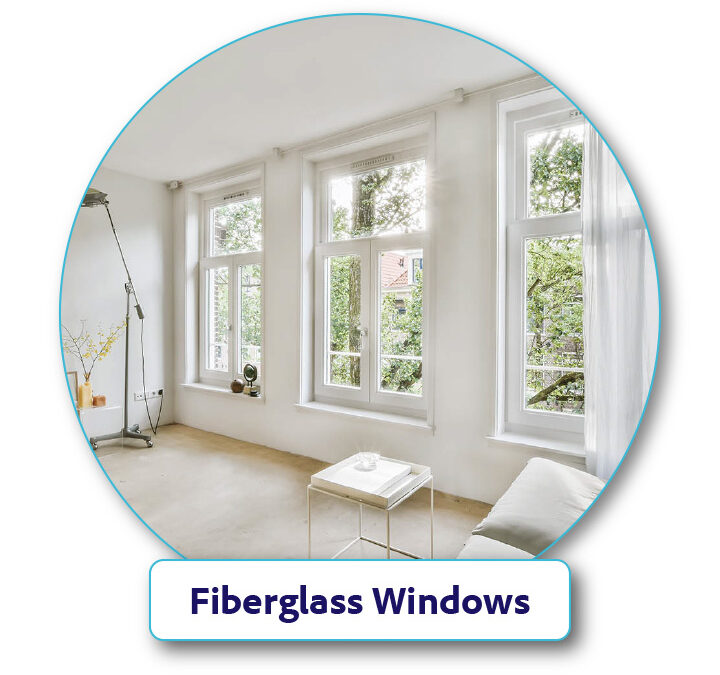
Choosing the right windows for your home is more than just picking styles or colors; it’s about making a decision that impacts comfort, energy bills, and how long those windows will last. Fiberglass windows might not be the first option that comes to mind, but once you understand their durability and energy-saving benefits, they quickly become hard to ignore. In fact, fiberglass combines strength and stability in a way that keeps your home better protected through changing seasons and tough weather, all while saving you time and money on upkeep. Let’s take a closer look at why these windows stand out when it comes to lasting performance.
Fiberglass windows are the top choice for longevity because they are incredibly strong and resistant to dents, warping, and water damage, unlike wood or vinyl. Their dimensional stability ensures minimal expansion and contraction, leading to durable seals and a lifespan of over 50 years with very little maintenance required.
At the core of fiberglass windows’ strength is their composition: glass fibers woven into a robust resin matrix. This combination isn’t just for show; it results in a material about eight times stronger than traditional vinyl windows. This means dents, warping, or cracking from daily use or harsh weather are far less likely to occur. When you consider how much a window takes on, gusting winds, pounding rain, fluctuating temperatures, this resilience isn’t just convenient; it’s a safeguard for your home.
Picture this: a homeowner in a region prone to intense hailstorms once struggled with frequent repairs on vinyl windows. Each storm season brought cracks and chips that gradually weakened the frames. After switching to fiberglass windows, the same storms barely left a mark. The glass fiber construction absorbs and distributes the impact forces, preventing damage where other materials might fail. That kind of peace of mind can’t be overstated when protecting your investment.
Beyond sheer strength, fiberglass’s dimensional stability plays a critical role in its durability. Unlike vinyl, which expands and contracts substantially with temperature swings, sometimes up to 5%, fiberglass experiences less than 1% change. This consistency maintains tight seals around the glass and frame throughout the seasons, preventing air leaks and keeping your home more comfortable and energy-efficient without constant adjustment or risk of drafts.
Data backs this up clearly: fiberglass windows show an 87% reduction in expansion and contraction compared to vinyl, which means fewer gaps develop over time that could let in moisture or cold air. Reduced movement also translates into less strain on window hardware and structural components, extending their lifespan as well.
Think of fiberglass windows like a well-tailored suit that holds its shape through countless wearings and washings versus a cheaply made shirt that stretches and loses form quickly. The difference is subtle at first but becomes glaringly apparent down the road.
For homeowners seeking windows that combine strength with low maintenance, fiberglass is an unbeatable choice. Its resistance to environmental damage isn’t limited to temperature fluctuations alone; it also stands up superbly against moisture, pests, and UV degradation, all common culprits that cause wood rotting or vinyl discoloration over time.
| Durability Factor | Fiberglass Windows | Vinyl Windows | Wood Windows |
| Tensile Strength (MPa) | ~340 | ~40 | 40-80 |
| Expansion/Contraction Rate | Less than 1% | Up to 5% | Varies widely |
| Resistance to Moisture & Rot | Highly resistant (non-porous) | Resistant but prone to warping | Susceptible to rot & insects |
| Maintenance Needs | Minimal (cleaning + occasional lubrication) | Low | High (painting, sealing) |
| Typical Lifespan | 50+ years | 20-30 years | 15-20 years |
Choosing fiberglass windows isn’t just about today’s appearance or price tag. It’s about investing in something that will perform reliably through decades with minimal upkeep. Their sturdy construction, combined with stable performance makes them especially suited for homeowners who want durable frames that also enhance energy efficiency, another big win for long-term savings.
The connection between durability and energy conservation is strong; understanding how these tough frames help reduce energy costs will shed light on further advantages they bring to your home environment.
One of the standout features of fiberglass windows is their energy efficiency, which significantly benefits homeowners in multiple ways. Unlike some other materials that expand or contract noticeably with temperature changes, fiberglass maintains its shape and structure due to its dimensional stability.
This minimizes gaps and air leaks around the frame, helping to reduce unwanted heat transfer. What this means is simpler: you lose less warm air in winter and less cool air in summer, which translates into real savings on utility bills.
Studies show that homeowners can save approximately 15-20% on heating and cooling costs by upgrading to fiberglass windows. To put that in perspective, if your typical monthly utility bill runs around $300, that could amount to roughly $720 saved every year.
These savings alone often justify the higher upfront investment associated with fiberglass over vinyl or wood replacements.
This reduction in energy loss is especially crucial during extreme weather, those cold winter nights when keeping your home warm feels like a full-time battle, or those scorching summer days where air conditioning struggles to keep up.
Fiberglass windows work effectively across climates because they provide a stable thermal barrier year-round. Their low thermal conductivity means the frames themselves help maintain indoor comfort without demanding constant energy use from your HVAC system.
Additionally, many models come equipped with double- or triple-pane glass options that further bolster insulation.
Beyond just durable glass configurations, many fiberglass windows meet or surpass ENERGY STAR certifications designed by the U.S. Environmental Protection Agency (EPA). Some even earn the prestigious Most Efficient designation, reserved for products that deliver top-tier performance in energy conservation.
This certification isn’t just a badge of honor; it also signals potential eligibility for rebates or tax incentives, depending on local programs, offering even more value to homeowners willing to invest smartly.
| Feature | Description |
| Low Thermal Conductivity | Minimizes heat flow through the frame, maintaining consistent temperatures |
| Double/Triple Glazing | Multiple layers of glass provide superior insulation against heat transfer |
| Low-E Coatings | Special coatings reflect infrared heat and block ultraviolet rays |
| Gas Fills (Argon/Krypton) | Insulating gases added between panes decrease conduction and convection |
Combining these advanced features makes fiberglass windows more than just a window replacement; they become an investment in lowering your home’s energy consumption and increasing long-term comfort.
The durability and energy efficiency we see here set the stage for exploring how these windows also stand out with their exceptional lifespan and minimal upkeep demands, offering lasting value for homeowners everywhere.
Fiberglass windows are engineered to endure the test of time, far surpassing many other window materials in lifespan. While typical vinyl windows start showing wear and require replacement after about 20 to 30 years, fiberglass frames can easily serve your home for 50 years or more with only minimal upkeep. This durability stems from the material’s inherent resistance to warping, cracking, and corrosion.
Moreover, fiberglass maintains its structural integrity even under extreme weather conditions, something especially valuable in locales like New York, where temperature swings can be harsh.
Research and long-term field studies reveal that fiberglass windows show less than 1% degradation over 20 years, even in humid and coastal environments that typically wreak havoc on other materials. This means fewer worries about rotting wood or faded vinyl frames that lose their tight seals and performance over time.
Paramount Windows & Doors ensures these windows meet stringent standards for weathering resistance and color retention, backed by extensive warranties often lasting 20-30 years.
“Fiberglass’s dimensional stability is key; its low thermal expansion means frames rarely warp or buckle, preventing gaps that lead to air leaks.”
Taking care of fiberglass windows is refreshingly straightforward compared to traditional wood frames or even some vinyl options. For most homeowners, a thorough cleaning twice a year using mild soap and water is all that’s needed to keep them looking fresh and operating smoothly.
This gentle regimen strips away dirt, dust, and pollen without damaging the non-porous surface. Additionally, applying silicone spray occasionally on hardware components keeps hinges, locks, and handles functioning effortlessly without rust or stiffness.
Unlike wood windows, which demand regular repainting or sealing, tasks that are not just time-consuming but costly, fiberglass requires no sanding, scraping, or repainting. Since its color is integrated throughout the frame’s thickness rather than just painted on top, scratches or chips don’t result in unsightly white marks or fading over time.
To put it simply: maintenance becomes an afterthought rather than a chore. One homeowner from Buffalo shared their experience:
“I switched to fiberglass windows five years ago and haven’t looked back. They look as new as the day they were installed and I haven’t had to worry about repainting or any major repairs.”
This sentiment echoes countless others who choose fiberglass for peace of mind combined with enduring beauty.
Opting for fiberglass frames goes beyond just aesthetics or initial appeal; it represents a wise investment with lasting returns. Homeowners save considerable money over decades thanks to fewer replacements and dramatically lower maintenance costs compared to wood or vinyl.
This improves overall comfort by maintaining airtight seals year-round and reduces environmental impact by limiting waste from frequent window replacement.
Imagine the relief in knowing your beautiful windows will stay strong and vibrant through rainstorms, scorching sun exposure, biting winter cold, and everything in between, truly a testament to lifespans designed for modern living without hassle.
Choosing fiberglass means less worry about warping or fading colors too, a notable plus since UV exposure causes significant discoloration on many vinyl options but affects fiberglass minimally due to ASTM-tested durability.
Exposure to sunlight can wreak havoc on many window materials; wood warps, paint peels, and vinyl often yellows or becomes brittle after years under relentless UV rays. Fiberglass windows, however, are engineered specifically to stand firm against these elements.
Thanks to their specialized UV-resistant coatings, they maintain both their strength and appearance over time. This isn’t just about keeping windows looking new; it’s about preserving their structural integrity so they continue to serve your home effectively for decades without fading or weakening.
The resilience comes from a durable resin formulation combined with coatings that absorb and reflect harmful UV radiation. As a result, your fiberglass frames won’t chalk, crack, or fade like other materials commonly exposed to direct sunlight. You’re investing in a window that behaves like armor against sun damage, a feature especially valuable for homes in sunnier climates or with south-facing exposures where the sun beats down hardest.
What sets fiberglass windows apart is not only their durability but also their remarkable ability to mimic natural materials with astonishing realism.
If you love the classic warmth of wood trim but dread the upkeep, fiberglass offers authentic grain textures and rich finishes that feel just like real wood to the touch and eye. Paramount Windows & Doors showcases this beautifully with options spanning traditional stains to painted surfaces that resist peeling and cracking, something impossible to reliably guarantee with wood.
Many architects and designers are excited by the flexibility these windows provide. One homeowner shared how choosing Paramount’s fiberglass frames allowed them to seamlessly blend with both their historic Victorian’s ornate details and modern minimalist additions.
The broad palette means you can tailor your choice exactly: bold hues for a contemporary flair, muted earth tones for a classic look, or even custom colors matched perfectly to your exterior palette. This level of customization means your windows become part of the home’s personality rather than just functional openings.
Ultimately, fiberglass combines energy-saving performance with aesthetic freedom unheard of in most window materials. It allows homeowners in 2025, not just to protect their investment through improved durability but also to elevate curb appeal through beautiful design options that complement any architectural style effortlessly.
These unique qualities set the stage for understanding how selecting fiberglass windows translates into long-term value by balancing durability, efficiency, and customization options tailored to your home’s needs.
When it comes to investing in new windows, focusing on long-term value can make all the difference between a smart purchase and one that feels expensive without lasting benefits. Fiberglass windows excel in this area by combining exceptional durability, energy efficiency, and low maintenance requirements, a combination few other materials can match. Unlike vinyl or wood, fiberglass frames resist warping, rotting, or cracking even after decades of exposure to sun, moisture, and temperature changes.
The superior strength of fiberglass comes from glass fibers embedded in resin, which makes these windows roughly eight times stronger than vinyl and far more stable dimensionally. This stability means seals stay tight longer, preventing drafts that gradually inflate your heating and cooling bills. You’re effectively locking in your home’s comfort while saving money on utilities over the years, a benefit that adds up to about a 15-20% reduction in energy costs annually. For many homeowners, these savings translate into hundreds of dollars each year, making fiberglass a wise investment despite its higher upfront price compared to vinyl options.
For people planning to live in their home for more than ten years, opting for fiberglass windows often yields clear financial rewards. Beyond energy savings, they require very little upkeep, just occasional cleaning with mild soap and water, plus periodic lubrication of hardware keeps them looking and functioning like new. This minimal maintenance load contrasts sharply with wood windows that demand regular sanding and painting or vinyl windows prone to fading and expansion issues.
Another key advantage is fiberglass’s resistance to environmental damage, such as moisture infiltration and pest attacks, common causes of costly repairs in other window types. Homeowners choosing fiberglass therefore avoid unexpected expenses related to frame replacement or repair over the decades. Plus, because their color is integrated throughout the material thickness, scratches or minor surface damage won’t require repainting or refinishing, preserving curb appeal effortlessly.
| Cost Factor | Details & Impact |
| Window Size | Larger windows require more materials and labor |
| Style Complexity | Casement, bay, or custom shapes increase installation effort |
| Glass Options | Energy-efficient coatings like Low-E or argon gas add cost |
| Finish | Painted or customized finishes raise material expenses |
| Installation | Professional job critical for airtight sealing |
| Labor Difficulty | Older homes or multi-story installs increase labor costs |
Investing in high-quality fiberglass windows also enhances your property’s resale value because prospective buyers recognize the benefits, durability, energy savings, and attractive design, that come standard with this material. Even if you decide to move within a decade, these features improve your home’s marketability.
To explore top-tier fiberglass window options tailored for your home’s style and climate conditions. Our expert team provides free evaluations, ensuring you choose frames that deliver maximum return on investment alongside lasting beauty and performance.
Ultimately, selecting fiberglass frames reflects a commitment to quality; it is choosing peace of mind today while safeguarding your home’s comfort and value well into the future.
Choosing fiberglass windows is a smart long-term investment, but their performance depends heavily on proper installation. If you’re looking for reliable window replacement services in Elma, NY, working with experienced residential window installers and a trusted commercial window installer ensures your new windows deliver maximum durability, energy efficiency, and value. Whether you’re upgrading your home or planning a commercial window installation, our team provides expert guidance and precision installation every step of the way. Contact us today to schedule a free consultation for window and door replacement services in Elma, NY and discover the difference professional installation makes.
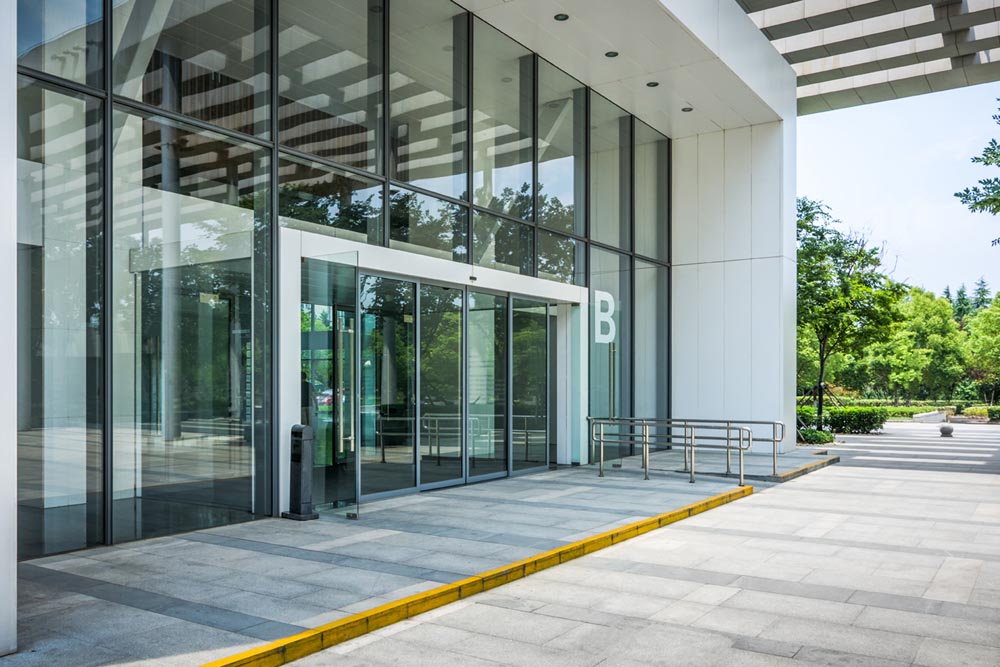
Commercial doors might not be the first thing you think about when imagining a building’s design, but they play a surprisingly big role. They welcome visitors, protect assets, and set the tone for what’s inside, all while standing up to daily use and weather. In 2025, these doors are smarter and more stylish than ever before, blending new materials with cutting-edge security features. Let’s take a closer look at how innovations in design and technology are changing commercial door installations for the better.
Modern design trends in commercial door installations for 2025 emphasize sleek, minimalist aesthetics featuring smooth lines and large glass panels to maximize natural light. Materials like high-performance aluminum, reinforced steel, and customizable finishes, including anodized aluminum, wood veneers, and powder coatings, are popular for their durability, energy efficiency, and ability to enhance brand identity through personalized architectural statements.
In 2025, commercial door design is no longer just about getting from point A to B, it’s become an integral part of a building’s identity and efficiency. The emphasis on sleek, minimalist elegance presents itself in doors that feature clean, straight lines paired with understated hardware. This simplicity isn’t merely aesthetic; it provides a sense of calm and order that complements the varied architectural trends we see today, from industrial lofts to cutting-edge office complexes.
Minimalism strips away unnecessary flourishes, leaving functional beauty that resonates across industries. For a business owner or property manager, this means doors that not only look professional but also require less maintenance, a win-win for ongoing operational costs. The subtlety in design also allows these doors to blend into virtually any facade, making them versatile choices when updating older buildings or designing new structures with future-proof appeal.
Moving beyond form, these doors often incorporate thoughtful features such as hidden hinges and flush-mounted handles that preserve those crisp lines while improving ease of use and safety. Smooth mechanical operation combined with durable finishes ensures these minimalist designs retain their fresh appearance despite heavy daily traffic.
It’s interesting to note that around 40% of commercial doors installed this year embrace this minimalist look, reflecting a broader shift towards prioritizing user experience and seamless integration over visual complexity.
Beyond the shape and silhouette, the materials chosen profoundly impact both aesthetics and utility, a key topic as we explore what lies beneath the surface of these modern designs.
Large glass panels have become a hallmark in contemporary commercial doors, valued for their ability to flood interior spaces with natural light. Imagine stepping into an office lobby bathed in sunlight streaming through expansive glass doors, immediately you feel welcomed and alert. This design choice is particularly advantageous in retail environments where transparency literally showcases merchandise to those passing by outside.
But the benefits extend far beyond ambiance. Glass doors facilitate connection between indoor and outdoor spaces, fostering open environments that can boost mood and collaboration when applied inside office layouts.
Industry studies back this up: buildings leveraging natural light can see energy consumption drop by up to 21%, thanks to reduced dependence on artificial lighting during daylight hours. Simultaneously, workplaces exposed to daylight report an 18% increase in employee productivity, an impressive return on investment by simply choosing doors wisely.
Modern glass options further enhance performance through technologies like Low-E coatings, which control heat transfer, keeping interiors comfortable year-round without sacrificing clarity or style. Coupled with tightly sealed frames and advanced weather stripping, these doors don’t just look good; they actively promote energy efficiency policies expected in commercial developments today.
After understanding how design elements like minimalism and natural light shape modern commercial doors, it’s important to examine the materials making these innovations possible, and why they matter so much.
Metal doors, especially steel and aluminum, are the backbone of commercial security and durability. Steel, with its impressive strength, offers protection that few other materials can match. This is why warehouses and industrial facilities often rely on it: it’s tough enough to withstand physical impacts and attempts at forced entry while requiring minimal upkeep beyond routine anti-rust coatings. Aluminum, by contrast, is a lightweight champion highly prized in office buildings and retail spaces where corrosion resistance and ease of use are paramount. Its sleek surface complements modern aesthetics without sacrificing longevity.
The key benefit metal doors provide isn’t just brute strength but also their adaptability. Modern manufacturing allows custom finishes, from smooth contemporary coatings to stylish wood-grain replicas, so function does not come at the cost of visual appeal. Recognizing this blend of form and function can help you optimize both security requirements and building identity when choosing metal doors.
Moving from cold metal to warm textures, wood doors bring a timeless charm paired with practical insulation benefits.
Wood remains unmatched for adding natural warmth to commercial spaces like hotels or executive suites, where first impressions matter deeply. Usual concerns about wear or weathering have been addressed through advanced treatments that protect against moisture, warping, and UV damage. These innovations make wood doors remarkably resilient, combining classic sophistication with modern demands for longevity.
Besides aesthetics, wood’s low thermal conductivity means it naturally insulates better than metals, a factor that can reduce heating and cooling costs significantly in climate-sensitive environments. For businesses prioritizing sustainability, responsibly sourced hardwoods offer an eco-friendly choice with verifiable renewability.
Complementing metals and wood, glass doors open up new possibilities for transparency and light that elevate a building’s atmosphere.
Glass doors are increasingly favored for their ability to bathe interiors in natural light while maintaining a polished appearance ideal for showrooms, lobbies, or upscale retail stores. To ensure safety alongside style, tempered or laminated glass options reinforce impact resistance without compromising visibility.
Integrating insulated glass units further enhances energy efficiency by minimizing heat transfer, which is critical in regions with extreme temperatures. This allows businesses to reduce utility bills effectively while still benefiting from expansive exterior views that foster an inviting ambiance.
Furthermore, large-format sliding or pivot glass doors maximize space utility without sacrificing seamless indoor-outdoor flow. When paired with sturdy frames made from fiberglass or aluminum composites, glass-door systems become a design statement as well as a functional asset.
Understanding these material attributes lays the groundwork not only for selecting appropriate doors but also for embracing emerging smart technologies that amplify their capabilities.
Smart technology has revolutionized commercial doors, bringing in higher levels of automation and control that go far beyond simple key insertion. Today’s doors are embedded with capabilities that combine mechanical strength with digital intelligence to meet the evolving demands of security, efficiency, and user experience. This fusion is not just a novelty but a practical solution for businesses seeking both protection and convenience.
One of the foremost advancements is biometric access control, systems that verify identity using fingerprints, facial recognition, or even iris scans. Unlike traditional keys or cards that can be lost or duplicated, biometrics tie entry to an individual’s unique physical characteristics. This precision is critical in settings such as data centers, healthcare facilities, or financial institutions, where unauthorized access carries severe consequences. Implementing biometrics reduces reliance on shared credentials and raises the bar for intrusion prevention.
The adoption of biometric systems also embodies a layered approach to security. Many commercial locks now support multi-factor authentication, where users may combine a fingerprint scan with a PIN code or an RFID card for added verification. This significantly decreases the risk of breaches while maintaining smooth access for authorized personnel.
The global health challenges brought by the pandemic have accelerated the demand for touchless solutions. Doors equipped with motion sensors, proximity readers, or Bluetooth-enabled smartphones allow hands-free access, a feature that boosts hygiene and convenience simultaneously. These systems detect when an authorized individual approaches and unlock automatically, removing the need to physically touch handles or keypads.
This touchless functionality not only reassures building occupants about cleanliness but also enhances traffic flow efficiency in busy environments such as hospitals or corporate offices. Our clients at Paramount Windows & Doors have reported an increase in client satisfaction after installing these advanced systems, noting both convenience and enhanced safety as major benefits.
Customization options also play a vital role, as one size does not fit all.
Commercial users seek door lock solutions tailored to their specific operational needs. Fortunately, smart locks today offer compatibility with various commercial door preps, cylindrical, mortise, and deadbolt, and integrate seamlessly with existing master key systems to avoid disruptive overhauls. Power options range from low-voltage wiring to long-life batteries with low-battery alerts that ensure continuous operation without inconvenient downtime.
Systems often link wirelessly to centralized cloud platforms or building automation software. This connectivity allows administrators to remotely add or revoke access credentials in real time without physically rekeying locks, a major advantage for facilities with high employee turnover or multiple locations. Audit trails meticulously record every entry and exit event, aiding compliance with safety regulations while providing transparent oversight.
When considering a commercial door installation in 2025, working with specialists ensures access to top-tier smart lock brands known for durability and encryption standards. Incorporating smart technology elevates premises protection while enhancing operational control and occupant experience, a strategic investment for forward-thinking businesses.
With innovation setting new benchmarks in functionality and security, the focus naturally extends toward how these features can be adapted to meet diverse requirements across industries and settings.
Commercial doors in 2025 are no longer “one size fits all.” Instead, they offer tailored solutions that blend seamlessly with a building’s architecture while catering to specific functional needs. This shift toward customization means you can specify everything from size and material to hardware style and even integrated technology. In fact, recent surveys show that around 68% of commercial doors now come with customizable design options, reflecting how businesses want their entrances to be extensions of their brand identity and operational requirements.
Take finishing touches like matte or glossy textures, color choices that range from classic neutrals to vivid custom hues, or glass panel options including frosted, tinted, or smart glass that adjusts opacity on demand. These details might seem small, but they play an outsized role in setting the tone for first impressions and enhancing energy efficiency by controlling light and heat transfer.
When you select a door with these customization options, whether it’s a sleek steel door for maximum security or a fiberglass model mimicking natural wood grain to combine warmth with durability, you’re ensuring your commercial entrance does more than just open and close. It becomes part of the building’s story, telling visitors about your attention to quality, sustainability, and innovation.
The difference this makes is particularly visible in sectors like retail and office environments, where 35% and 28% of commercial door installations, respectively, emphasize tailored designs. Imagine a boutique store opting for sliding glass doors with embedded LED lighting that not only brighten up the façade after dark but also increase foot traffic by an impressive 45%, as reported by one industry case study.
Meanwhile, office buildings benefit from doors designed for quiet operation and space-saving configurations. Sliding or automatic swinging doors offer controlled access without disrupting workflow or aesthetics, essential when every square foot matters and distractions must be minimized.
Customization also opens the door to meeting diverse practical needs across industries.
From healthcare facilities requiring germ-resistant finishes and touchless entry systems to industrial warehouses demanding reinforced steel for security and ruggedness, today’s commercial doors adapt fluidly to their environments. This flexibility ensures long-term durability while helping organizations stay compliant with safety codes and accessibility standards, all customizable during ordering rather than retrofitted later at higher costs.
The lead time for these personalized doors has also decreased notably; the average waiting period is now down to about 4.2 weeks, thanks to improved modular manufacturing processes allowing quicker on-site adjustments.
Investing in customization usually adds about an 18% premium over standard doors. Yet this cost is often offset by gains in energy efficiency, such as insulated panels reducing heating expenses, and improved security through integrated locking systems tailored specifically for the property’s needs.
Ultimately, companies that prioritize custom commercial door solutions are rewarded not only with striking visual appeal but also operational advantages ranging from better safety to overall user satisfaction scores averaging 8.7 out of 10.
This surge in tailored innovations coincides with an increasing focus on environmental responsibility, where materials and design choices not only elevate appearance but also reduce ecological impact, the natural next step in advancing modern commercial entryways.
Sustainability in commercial door design isn’t just a trend, it’s becoming a core priority for businesses aiming to reduce their environmental impact while enhancing building performance. This means that more than ever, every choice in material and technology matters, from what doors are made of to how they insulate and protect your space.
Take recycled materials, for example. Instead of relying on freshly mined steel or harvested timber, manufacturers now turn to recycled aluminum and steel that maintain all the strength and durability you’d expect but come with a significantly lower carbon footprint. These metals don’t just save energy in production, they keep waste out of landfills. Similarly, sustainable woods like bamboo or FSC-certified lumber offer rapid renewability combined with robustness, making them a smart ecological choice without sacrificing quality or style.
When choosing doors for your commercial project, look closely at these materials. Doors crafted from composites that blend recycled plastics with plant-based resins provide additional benefits: they’re often lighter, resist warping, and are biodegradable or recyclable after use. These innovations mean that your door can support sustainability throughout its entire lifecycle, from manufacturing through disposal.
It’s not only about what the door is made of; how it performs impacts sustainability too. Utilizing energy-efficient insulated cores, such as those filled with polyurethane or mineral compounds, drastically reduces heating and cooling demands within commercial buildings. Studies show that incorporating such doors can lower energy bills by up to 30% annually, a substantial saving that benefits both the environment and your bottom line.
The reduction in heat transfer achieved by these insulated doors works hand-in-hand with low-emissivity (Low-E) glass, which is designed to reflect infrared heat while allowing visible light through. This clever balance improves climate control inside buildings all year round, keeping interiors cooler in summer and warmer in winter without excessive energy consumption.
While these cutting-edge materials and technologies deliver impressive environmental benefits, they also need to align with recognized standards to be effective in green building practices.
One of the major motivators behind adopting sustainable doors is their ability to contribute points towards LEED certification, widely regarded as the gold standard in environmentally responsible construction. LEED rewards projects that integrate energy-saving features and materials sourced sustainably, including commercial door installations that meet stringent performance criteria.
Incorporating certified sustainable doors helps businesses present a clear commitment to eco-friendly operations, an increasingly important factor in client relations, tenant attraction, and corporate social responsibility reporting. Furthermore, adherence to such standards often results in better indoor air quality due to low-VOC (volatile organic compound) finishes and coatings used on modern door surfaces, which minimize harmful chemical emissions.
For those managing building portfolios, it’s wise to work closely with suppliers experienced in sustainable door products who understand compliance requirements related not only to LEED but also other green building certifications such as WELL or BREEAM. Doing so ensures every installed door supports your overarching sustainability goals without surprises later.
Eco-friendly options ensure long-term benefits, but durability and maintenance are equally important factors to consider when selecting commercial doors, topics we’ll explore next in depth.
Durability isn’t just about how long a door lasts; it’s also about how well it withstands daily wear, weather conditions, and security demands without constant repairs or replacements. In 2025, commercial doors must meet these high expectations while minimizing downtime and upkeep costs for businesses.
This means selecting materials engineered specifically for strength and resilience, such as galvanized steel and reinforced aluminum, which resist rust, corrosion, and the harshest environmental elements. These metals don’t just shield your building against intruders; they stand firm against time and weather.
Yet durability alone isn’t enough. The real game changer is how manageable these doors are when it comes to maintenance. The smartest choice incorporates features like anti-fingerprint coatings that keep surfaces looking pristine with minimal cleaning. Water-repellent finishes prevent moisture buildup that can otherwise degrade door surfaces quickly, especially in humid or rainy climates.
Regular care becomes easier when your door fights grime and water for you, allowing busy property managers to focus on more urgent priorities.
Establishing a simple cleaning routine, wiping down glass panels and metal frames weekly, and scheduling professional inspections annually can stop small issues from turning into costly repairs. Professionals will check critical components like hinges, locking mechanisms, sensors, and weather stripping to ensure everything functions smoothly.
These periodic tune-ups extend door life and maintain peak performance without interrupting daily operations.
One client shared how switching to aluminum doors with powder-coated finishes dramatically cut maintenance efforts:
“We used to spend hours repainting and fixing dents every year. Since installing the new doors, we’ve redirected that time and budget toward expanding our team and improving customer service.”
Their experience highlights not only cost savings but also operational benefits unlocked by durable, low-maintenance choices.
Moreover, smart design trends like self-lubricating hinges have emerged as valuable maintenance savers, reducing friction-induced wear by nearly half compared to traditional hinges in high-traffic settings. These quiet-running components prevent annoying squeaks while slashing repair frequency. Such innovations showcase how durability intersects with convenience to deliver seamless user experiences over time.
Whether you need commercial window installation, residential door installation, or vinyl window replacement services, investing in durable, energy-efficient products is essential for long-term performance, especially in the changing climate of Elma, NY. At Paramount Windows & Doors, our team specializes in window replacement services, door replacement services, and fully customized solutions for homes and businesses. Contact us today at (716) 982-5579 to schedule a free consultation and upgrade your property with expertly installed doors and windows built to last.
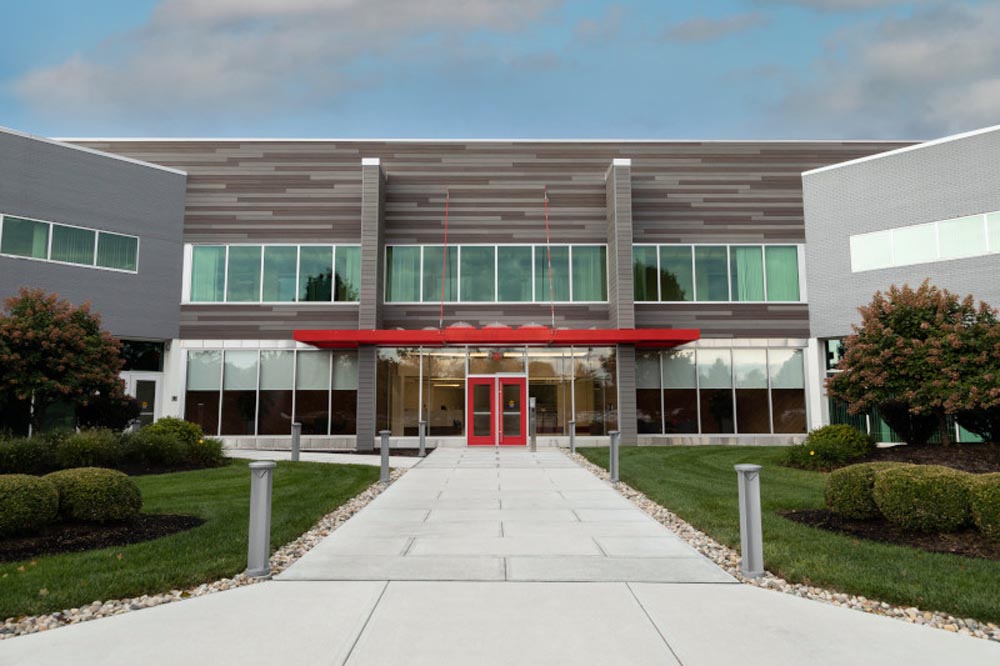
When you think about your business entrance, what comes to mind? Is it just a door that swings open when you push it? Or could it be something more—an opportunity to showcase who you are and what your brand stands for? The truth is, first impressions matter. The way your entrance looks can set the tone for everything that happens inside. A well-designed custom door isn’t just about being functional; it’s a canvas where you express your unique identity, inviting customers in with style and substance. Whether you’re aiming for sleek modernity or cozy familiarity, investing in the right entrance can transform your commercial space into a memorable experience for everyone who walks through it.
Custom commercial door installations not only improve the aesthetic appeal of your business but also significantly contribute to brand identity by providing a unique look that reflects your company’s values and mission. By integrating design elements that resonate with your target audience, you can create a lasting first impression while ensuring functionality and security in your commercial space.
Customizing your commercial doors presents an impactful avenue to express your brand’s identity. This isn’t just about aesthetics; it’s about crafting an experience that resonates with your customers long before they even step inside. Selecting the right materials, colors, and finishes is crucial in conveying a message about who you are as a business. For instance, while a tech firm might favor sleek and modern glass, a cozy café could convey warmth and nostalgia with wooden doors that feature rustic charm.
One of the most effective ways to ensure your doors speak to your brand is by incorporating your brand colors and logo directly into the design. Imagine passing by a store with a vivid blue door that showcases its logo prominently displayed; it’s immediately recognizable. A prime example can be seen at the Coca-Cola headquarters—their iconic red door not only draws attention but also solidifies their brand identity in the minds of both clients and passersby alike. Using such visual cues enables customers to associate those characteristics with their experiences, thereby fostering loyalty.
Moving beyond colors and logos, considering unique materials can add layers of meaning that further distinguish your business’s entrance.
Choosing unconventional materials can emphasize what distinguishes your brand from others in your industry. For instance, sustainability-focused brands may find that using reclaimed wood beautifully tells their story of environmental responsibility while adding a unique texture that attracts customers’ attention. Alternatively, if you’re part of a modern tech environment, options like metal or glass not only evoke sleekness but also suggest innovation and cutting-edge functionality.
When you consider customizing with features like custom engravings, this adds a level of personalization that speaks volumes about your brand ethos—turning an ordinary door into something remarkable that enhances overall customer engagement and connection.
By thoughtfully tailoring your commercial doors to embody these elements, you are shaping a narrative around your establishment that goes beyond mere transactions—it becomes an extension of who you are as a business.
As you reflect on how these choices contribute to your identity, let’s turn our focus to imaginative concepts that can elevate business entrances even further.
One exciting trend is the rise of interactive doorways. Imagine entering a business where the doors recognize you and, with a simple wave or gesture, they slide open automatically. Such smart technology not only enhances convenience but also creates a welcoming atmosphere. These innovations can be tailored to meet the specific needs of your clientele; for instance, automatic sliding or revolving doors can significantly improve accessibility, making it easier for customers carrying packages or those with mobility challenges. The result is a seamless entry experience that reflects modernity and sophistication.
In addition to technological advancements, there’s a deeper layer of potential in the realm of artistic expressions for your business entrance.
Consider commissioning local artists to transform your doors into statement pieces. This approach supports community talent and fosters local pride while simultaneously marketing your brand. When customers notice a beautifully designed mural or intricate carvings as they approach your entrance, it leaves an indelible mark in their minds. It’s the difference between a typical front door and an eye-catching masterpiece. Businesses that have embraced this concept often see increased foot traffic because people are naturally drawn to unique aesthetics.
According to research published in the Journal of Business Research, distinctive store designs can boost customer visits by up to 15%.
In addition to creative visual elements, consider implementing seasonal themes that keep your entrance fresh throughout the year. Decorating your doorway with flowers in the spring, festive lights during winter holidays or even unique displays that coincide with local festivals can give customers another reason to look forward to visiting. Each visit then becomes a new experience rather than a repetitive one.
Thinking even further, consider how you can incorporate sustainability into your entryway design.
Using eco-friendly materials for your doors not only reflects a commitment to sustainability but also appeals to today’s environmentally conscious consumers. For instance, opting for reclaimed wood or energy-efficient glass can benefit both the planet and your operational costs. Additionally, low-VOC paints and finishes contribute to better indoor air quality—an often overlooked aspect of design.
Integrating these innovative design ideas at your business’s entrance—embracing technology, supporting local artists, engaging in seasonal decorations, and prioritizing sustainability—enriches customer experiences while solidifying your brand identity within the community. As you enhance your entryway, consider how customization can further exemplify your brand’s unique story.
The beauty of customizing your commercial door lies in its potential to embody your brand’s unique identity. By choosing the right elements, each door becomes more than just an entrance; it transforms into a powerful statement piece that resonates with your clientele. For example, selecting specific hardware can greatly influence the overall aesthetic and functionality of the door.
When deciding on hardware such as handles, locks, and hinges, consider how these details will complement your overall design theme. Whether you opt for sleek chrome for a modern look or warm brass for a more classic vibe, the right hardware not only enhances functionality but also reinforces your brand’s style. Many businesses often overlook this aspect, but these fixtures can be tailored to reflect your brand colors or material choices.
So take a moment to visualize what each piece adds to the big picture of your business’s identity.
Think beyond just practicality. For instance, matte black finishes are trending for their understated elegance, making them an excellent choice for businesses aiming for a sophisticated atmosphere.
Another compelling way to customize your doors is through laser engraving or etching. This technique allows businesses to imprint intricate patterns, logos, or even inspiring slogans directly onto the door surface. By doing so, you create visual interest that captivates visitors even before they step inside. Engraving not only elevates aesthetics but also communicates instantly what your brand stands for.
Imagine walking into a cafe where the entrance features beautifully engraved wooden doors adorned with botanical motifs—every detail meticulously crafted to evoke warmth and welcoming vibes. This attention to detail speaks volumes about the care and quality one can expect within. Adding your business slogan creatively etched near the handle could serve as an inviting reminder of why patrons should choose you.
These customization options underscore that every element counts when making a lasting impression with your commercial space’s entrance. Embrace them to enhance the essence of who you are as a business while ensuring every detail aligns with your overall vision for success.
When it comes to custom doors, the difference between a mediocre and exceptional outcome often hinges on one key factor: professional installation. Hiring experts like those at Paramount Windows & Doors can make all the difference between a flawless entrance that enhances your brand’s image and a door that simply functions poorly over time. This is because each phase of the installation process is meticulously handled by highly trained professionals who know what to look for, ensuring everything goes smoothly from start to finish.
The installation process begins with an initial consultation where you express your specific needs and design preferences to the installer. This step is fundamental, as it lays the groundwork for everything that follows; ensuring that both parties are on the same page regarding vision and functionality allows for a smoother experience down the line.
Then comes measurement and planning, a critical phase necessary for achieving that perfect fit essential in commercial spaces. Accurate measurements are not just about dimensions; they set the stage for avoiding misalignments or future complications that could arise if a door doesn’t fit well within its frame. Precision is king here since any errors can compromise not just aesthetics but security and energy efficiency as well.
On installation day, experienced professionals take over, ensuring that the door is aligned correctly, securely fitted, and operating properly from day one. They don’t rush this process; every bolt, hinge, and latch is carefully positioned to guarantee optimal performance with long-term durability.
Following the installation, a quality check is performed. This thorough inspection checks all components—hinges, mechanisms, seals, etc.—to ensure everything works seamlessly. It’s this attention to detail that sets apart expert installers from others, as they leave nothing to chance.
Think of the installation process like tuning a musical instrument: every piece must fit perfectly for the best result. Similarly, each aspect of your door—from its alignment to how it opens—affects how well it performs and how long it lasts.
One satisfied business owner remarked, “Paramount Windows & Doors provided immaculate installation services that not only met but exceeded our expectations, solidifying our trust in their expertise.” Such feedback speaks volumes about the quality of service Paramount provides—a testament to their commitment to excellence.
By prioritizing expert installation, you’re not only enhancing aesthetic appeal but also ensuring long-term functionality and reliability for your custom doors. As we explore further, we’ll examine how security measures intertwine with these installations for enhanced safety.
When it comes to the world of business, your entryway serves as more than just a passage; it’s your first line of defense against potential threats. The right custom door does much more than beautify your entrance; it shields your assets and safeguards your employees, making security and durability paramount. Imagine walking into a stylish establishment, only to be met with a flimsy door that hardly screams “welcome” to customers or “secure” to potential intruders. It’s a stark contrast that highlights why investing in robust entry solutions is essential for any savvy business owner.
Modern technology offers an array of high-security features to enhance the safety of commercial doors, ensuring they meet today’s rigorous demands. By opting for reinforced materials, businesses can enjoy peace of mind knowing that their doors are capable of resisting forced entry. Doors made from steel or composite materials provide not only strength but often come with warranties that cover long-term performance—a win-win situation for cost-conscious owners.
Equally important are advanced lock systems such as biometric locks and keyless entry methods. These innovations eliminate the need for traditional keys, thus minimizing the risk of unauthorized access and lost keys—a scenario all too common in bustling business environments. Imagine your employees simply punching in a code or scanning a fingerprint to gain entry: this not only speeds up access but also adds a sophisticated layer of security.
For those who value aesthetics just as much as protection, shatterproof glass is an excellent option. It ensures that even in the event of unauthorized attempts at entry or vandalism, the integrity of the door remains intact, thereby deterring further actions and safeguarding what lies inside. This feature speaks to both the defensive capabilities and visual grandeur that you can expect when investing in custom doors.
Embracing these innovative features equips your commercial space with enhanced security and lasting durability—qualities that resonate well with customers seeking trustworthiness. Understanding how these elements work together enables business owners to make informed decisions about their entryways as they prepare to leave a lasting impression on visitors.
Your entrance is much more than just a physical barrier; it serves as a visual invitation into your business. When potential customers approach, they are met not only by your door but also by a tangible representation of your brand. Imagine walking up to a building with a dull, nondescript door—what feels thrilling about that? In contrast, a beautifully crafted custom door can evoke feelings of warmth and welcoming charm, making people eager to step inside.
The psychology behind first impressions is intriguing. Research shows that people form judgments within seconds, significantly influencing their emotions and expectations about what lies beyond that entryway. A striking entrance can trigger an emotional response, instilling feelings of trust, excitement, or anticipation long before they have even crossed the threshold.
It’s akin to the power of a cover on a book—intricate designs in vibrant colors suggest creativity and dynamism, while traditional, wooden finishes convey stability and reliability. This initial psychological impact can shape customer perceptions, elevating their experience right from the start.
A well-designed door isn’t merely functional; it’s an essential part of creating a narrative around your business that resonates with customers.
In building a lasting relationship with clients, maintaining consistency throughout their interactions with you is essential. This consistency starts at the entrance and extends through each aspect of your brand experience.
When customers see an entry that reflects quality craftsmanship, it reinforces their belief in the service or product you provide. Each compliment they give upon seeing your door adds layers to their perception of you as a knowledgeable and reputable business.
The appreciation for striking entries is palpable among our clients at Paramount Windows & Doors.
By customizing entrance doors to mirror your unique brand vision—while also considering elements of security and durability—you create an impactful first impression that speaks volumes about your commitment to excellence.
Transform your business entrance with Paramount Windows & Doors — the trusted experts for commercial doors and windows in Elma, NY.
Our team combines design, security, and craftsmanship to help your brand make a lasting impression. Request your free consultation today and let’s create an entryway that reflects your identity.
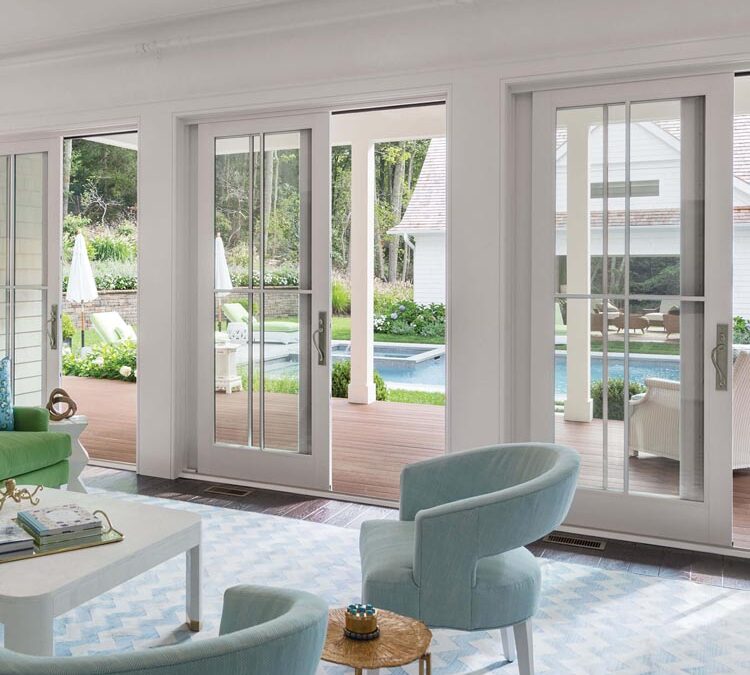
When it comes to updating or renovating your home, choosing the right doors can feel like a daunting task. With so many options out there, how do you decide? Interior doors are all about style and privacy, while exterior doors need to be sturdy and secure. Think of them as the friendly faces welcoming you home and the strong shields guarding against the outside world. Each type has its own set of costs, requirements, and benefits that can affect not just how your spaces look but also how safe and comfortable they feel. So let’s dive into the ins and outs of interior versus exterior door installation, ensuring you know exactly what to consider before making a decision.
The main differences between interior and exterior door installation in Elma, NY involve the materials used, structural requirements, and design considerations. Interior doors typically utilize lighter materials and may have hollow cores for ease of installation, while exterior doors require sturdier construction with solid cores to provide enhanced security and insulation against weather elements.
The primary purpose of interior doors is to create spaces within a home while maintaining privacy or managing acoustics. They enhance the aesthetics of a room, allowing for various designs and finishes that complement your home’s overall style. Since interior doors aren’t exposed to weather, their design can prioritize visual appeal over durability.
On the other hand, exterior doors serve as the gateway to your home and face formidable elements like wind, rain, and heat. These doors need to provide security against intruders while being resilient enough to withstand harsh weather conditions. While an interior door may only endure occasional nudges from furniture during redecorating, an exterior door protects your sanctuary while absorbing Mother Nature’s wrath.
As you dive deeper into installation processes, you’ll see that this difference in contexts impacts how each type of door should be installed.
The installation process varies significantly between interior and exterior doors. Interior door installations typically involve straightforward steps—it usually takes a couple of hours at most, including hanging the door on its frame and fitting it with simple hardware. Exterior doors are more complex; they require additional time due to factors like weatherproofing considerations and ensuring proper seals around frames. A poorly installed exterior door could lead to drafts or expose a home to unwanted moisture, while an interior door’s failure mostly affects privacy or aesthetics.
Understanding these differences highlights what’s at stake when choosing a new door and serves as a reminder of how well-maintained entries contribute to both security and comfort within our homes. Now we will explore how different choices in materials can further influence both appearance and performance for your home renovation project.
When it comes to interior doors, you’ll typically find them crafted from materials like molded composite, MDF (Medium-density fiberboard), or PVC. These materials are popular for a myriad of reasons. Molded composite doors mimic the look of real wood while maintaining an affordable price point, making them attractive for budget-conscious homeowners.
MDF offers decent durability and a smooth surface that’s perfect for painting, allowing for a customized finish. On the other hand, PVC is highly regarded for its water resistance and minimal maintenance requirements.
Each of these materials brings unique advantages; however, they do come with varying degrees of sound insulation. If you live in a busy household or desire more privacy, opting for solid-core doors—which provide better soundproofing—might be worth considering, even if they come at a higher cost.
Moving beyond interior applications, we need to look at exterior doors, which demand stronger performance to handle the rigors of outdoor exposure.
For exterior doors, sturdier materials are essential due to their constant combat with the elements. One common option is steel, which not only boasts exceptional security but also offers energy efficiency thanks to tight-fitting frames that reduce drafts. Steel doors require little upkeep compared to wood and often come pre-finished, saving you time on installation.
Fiberglass doors have gained popularity over recent years because of their ability to resist warping and cracking—qualities invaluable in areas prone to extreme weather conditions. They also offer excellent insulation properties, which can contribute significantly to lowering energy bills during harsh seasons.
Lastly, wooden doors—revered for their classic beauty and warm aesthetics—are highly customizable in terms of design. With proper finishes and treatments, they can withstand fluctuations in temperature and moisture levels. However, maintenance is crucial; without it, wood can become susceptible to damage over time.
The functionality of these materials connects directly to how each door contributes to your home’s overall aesthetic appeal through various design variations.
When it comes to design variations, interior doors typically showcase styles such as panel, flush, bi-fold, or pocket designs. Each style offers distinct advantages; for instance, pocket doors are fantastic for saving space in tight areas while still providing access when needed.
In contrast, exterior door designs often include traditional panels or contemporary minimalistic styles that fit any home facade, including French and sliding doors. Sliding glass doors are particularly coveted for their ability to create an expansive feel inside your home while allowing natural light to flood in.
As reported by HomeAdvisor, many homeowners prefer fiberglass doors for their remarkable balance between style and performance in exterior settings. Conversely, inside the home, MDF continues to stand out as a cost-effective solution without sacrificing elegance or appeal.
Understanding the material differences will guide you towards making the best decision tailored to your needs as you explore how installations come together step-by-step.
The installation process for doors varies widely between interior and exterior types, largely due to their specific functionalities.
Interior door installations can be quite straightforward, often involving the hanging of a prehung door into an existing frame or fitting a slab door into a new structure. Although this task might appear simple, it requires careful attention to detail—particularly when aligning hinges and ensuring that the door swings appropriately. A common pitfall is neglecting to measure the frame accurately, which can lead to misalignment, making adjustments difficult after installation.
Think of such measurements like taking your own height before buying clothes; getting it wrong can leave you with something that’s just not right.
In contrast, exterior door installations introduce more complexity due to additional concerns regarding security and insulation. Every step in this process has been meticulously crafted to ensure your home is well-protected from elements and intrusions. For example, as listed in the table below, you begin by removing the old door and frame, followed by checking and preparing the rough opening.
| Step | Description |
| Step I | Remove the old door and frame |
| Step II | Check and prepare the rough opening |
| Step III | Install the new door frame with weather-resistant materials |
| Step IV | Fit the door and attach hardware |
| Step V | Apply caulking and weatherstripping |
Once the new door frame is in place, it’s crucial to use weather-resistant materials that will withstand time and environmental factors. Proper sealing techniques such as caulking around joint areas not only secure fit but also greatly enhance energy efficiency by preventing drafts. After fitting the door itself and attaching necessary hardware like doorknobs or deadbolts, you seal everything with weather stripping—an often overlooked but vital final touch. This attention to detail ensures longevity while enhancing overall home comfort.
As we compare these installation processes in further detail, it becomes clear that understanding costs associated with each type will elevate your decision-making experience, guiding you towards informed choices about your home improvement projects.
Costs can vary widely based on materials, design, and installation complexities, making it essential to have a clear understanding of what you may need to invest in for both interior and exterior doors. When we talk about interior door costs, they typically range from $50 to $500. This price variance is largely influenced by the materials and design chosen. For instance, if you decide on a basic hollow-core door, you could find yourself only spending around $50. However, if you lean toward solid wood or a custom-designed door, your investment could reach upwards of $500.
On the other hand, exterior doors present a broader cost spectrum. You’re looking at a range from $200 to $3,000, and this substantial difference is determined by the material used and specific features included. Steel and fiberglass doors can generally cost between $250 and $1,500, but if you’re considering high-quality wooden doors or bespoke designs that offer extra weather-resistant treatments or appeal, be prepared to exceed that $3,000 mark.
Clearly defining your budget upfront will not only streamline your selection process but also help avoid surprises down the line.
As you’re navigating through your options, think strategically about your choices. For instance, opting for a combination of steel for security paired with fiberglass for energy efficiency can provide an excellent balance between durability and cost-effectiveness when choosing exterior doors. Similarly, exploring options like Medium Density Fiberboard (MDF) or prehung kits for interior doors can offer stylish results without breaking the bank.
It’s invaluable to remember that while the initial cost may seem like a primary consideration, investing in quality materials can impact long-term savings significantly. A well-crafted door not only enhances curb appeal but also contributes to energy efficiency, thus potentially lowering heating and cooling costs over time.
By carefully weighing costs against benefits, you’ll be prepared to enhance the value and comfort of your home as you proceed in your decision-making journey.
When it comes to door installation, understanding the importance of safety and durability cannot be overstated. This is particularly true for exterior doors, which serve as your first line of defense against the outside world. These doors are often constructed from robust materials such as steel or solid wood to withstand both physical attacks and harsh weather conditions. Modern designs also incorporate advanced locking mechanisms that enhance security, providing peace of mind for homeowners.
It’s fascinating to note that many of these doors not only endure but thrive under pressure. A well-designed exterior door can resist blows and impacts, making it harder for potential intruders to access your home.
Interior doors, while less exposed to the perils that outdoor doors face, still contribute significantly to your home’s safety and atmosphere.
Interior safety might sound like an oxymoron, but in reality, it’s vital for creating a comfortable living environment. While these doors do not have to contend with external threats like wind or rain, opting for solid-core doors can greatly improve sound insulation between rooms—this is particularly beneficial in busy households where noise can become overwhelming. Additionally, solid-core construction adds a layer of durability that helps the door withstand regular wear and tear from daily use. Having a sturdy door ensures that areas like home offices or bedrooms provide a quiet retreat from distractions.
One cannot discuss door durability without considering how weather resistance plays an equally crucial role, especially for exterior installations.
The need for weatherproofing cannot be stressed enough when installing exterior doors. An effective door must not only look great but also guard against the elements. Proper sealing—using methods such as weather stripping and caulking—is essential for preventing drafts and moisture from seeping into your home. This simple act preserves the door’s integrity over time, dramatically extending its lifespan.
But it doesn’t stop there; using high-quality sealants can further fortify these barriers against humidity changes, rain, snow, and even the scorching sun.
Integrating safety and durability features ensures that your doors do their job effectively while also enhancing your space aesthetically. This sets the stage to explore aspects like functionality and style in selecting the perfect addition to your home.
When it comes to choosing a door, one size certainly doesn’t fit all. The perfect door varies depending on individual preferences and specific requirements. For instance, if you live in an area prone to harsh weather, opting for a sturdy exterior door made from materials like steel or fiberglass can offer better insulation and security.
These materials not only withstand the elements but also contribute to overall energy efficiency in your home.
To achieve the ideal blend of security, durability, and elegance, consider customizing your doors. Paramount Windows & Doors specializes in personalized consultations that help combine design preferences with functional needs. Imagine walking up to a beautifully crafted wooden front door that accentuates your home’s facade while ensuring top-notch security and insulation—this is exactly what custom doors can provide.
A satisfied customer enthusiastically shared, “Paramount Windows & Doors helped us select a stunning wooden front door that not only enhances our home’s curb appeal but also ensures top-notch security and insulation.”
It’s this level of customization that transforms typical house entrances into welcoming portals for guests while reflecting your unique style.
As crucial as aesthetics are, practicality cannot be overlooked. When choosing exterior doors, consider climate conditions, usage frequency, and personal security concerns. For example, in hot climates, insulated steel doors with R-values between 5 and 7 offer energy efficiency while being durable enough to resist wear caused by outdoor exposure. If you’re frequently entering and exiting through certain doors, investing in heavy-duty materials requiring minimal maintenance would serve you well.
On the flip side, when considering interior doors, shift your focus towards aesthetics, room function, and privacy needs. Explore various materials like molded composite or solid wood; each offers different aesthetic options and levels of sound insulation. Hollow-core doors may suffice for less-trafficked areas, but solid-core options would enhance privacy for bedrooms.
In navigating these choices, don’t hesitate to reach out for expert advice tailored specifically to your needs. For further assistance, contact Paramount Windows & Doors at 716-982-5579 for a free consultation or estimate. Their knowledge will ensure you find the perfect door that balances beauty with practicality seamlessly.